
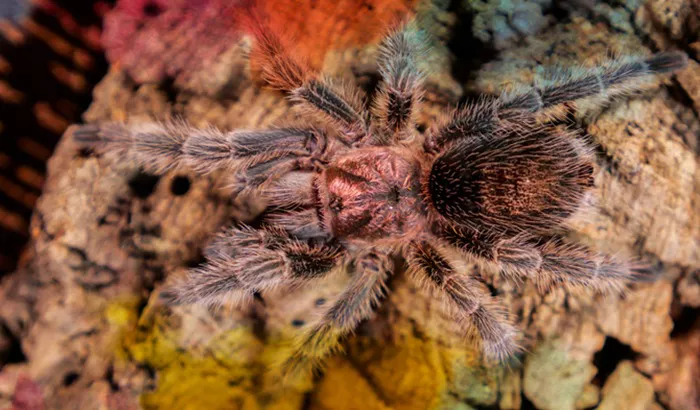
Ever thought a spider could be the perfect first-time exotic pet? Well, if you’ve heard of the Chilean rose tarantula (scientific name: Grammostola rosea), you might already know this little fuzzy creature is more than just a pet—it’s a low-maintenance, slow-moving, and oddly calming companion. But behind that docile exterior lies a creature with very specific needs. And that’s where this Chilean rose tarantula care sheet comes in.
Let’s bust the myth right now: just because a pet is easy to care for doesn’t mean it needs nothing at all. If you’re planning to bring one of these awesome arachnids into your life, it’s important to get their care just right—especially since they can live up to 20 years!
Ready to unlock the secrets of the Chilean rose tarantula? Let’s dive deep into its world and figure out how you can be the best spider parent ever!
What Is a Chilean Rose Tarantula?
Think of the Chilean rose tarantula like the golden retriever of the spider world: calm, patient, and unlikely to bite. It’s native to the dry scrublands and deserts of northern Chile, but it’s also found in parts of Bolivia and Argentina.
These spiders are typically sold under several names, including:
Rose hair tarantula
Chilean fire tarantula
Chilean red-haired tarantula
Here’s where it gets interesting. For a long time, people thought Grammostola porteri was a different species. But in 2022, scientists officially declared it the same spider as Grammostola rosea. That means what people used to call by different names are actually just color variants of the same species!
Size and Appearance
Your average adult Chilean rose tarantula has a body length of around 2.5 inches (6.5 cm) and a leg span that reaches 5–6 inches (12–15 cm). That’s about the size of your palm.
Its hair can be brownish, gray, or pink—depending on lighting and individual color morph. The name “rose” comes from the soft pink shimmer you’ll notice when light hits its carapace (upper shell). It’s surprisingly beautiful in a subtle way.
Why the Chilean Rose Tarantula Is So Popular
You’re not the only one fascinated by this eight-legged wonder. This tarantula is often described as the “starter tarantula” for good reason.
Docile temperament: It rarely bites, and would rather run than fight.
Hardy nature: They tolerate a wide range of conditions.
Low cost: Many are wild-caught and imported in bulk (though we recommend captive-bred pets).
Long lifespan: Females can live 15–20 years, sometimes longer. Males live shorter, often 5–10 years.
Want a pet that mostly minds its own business, looks awesome, and doesn’t bark or poop in your shoes? This is it.
What Kind of Habitat Does It Need?
Creating the perfect environment for your tarantula is like designing a tiny desert home. Don’t worry—it’s easier than it sounds.
Enclosure Size
−A 5 to 10-gallon tank is plenty. Think of it like a cozy studio apartment.
−Floor space matters more than height. These spiders don’t climb much and could get hurt if they fall.
−Use a secure lid—not because they’ll try to escape often, but because they can.
Substrate
This is the ground layer your tarantula will walk and burrow in.
Best choices: Coconut fiber, peat moss, or a mix of both.
Depth: 3–5 inches so it can dig a burrow if it wants.
Avoid: Sand (too dry), wood chips (can cause injuries), or gravel.
Imagine building a pillow fort—you want it soft, dark, and safe. That’s what your tarantula needs underneath.
Temperature and Humidity
Temperature: Keep it between 22–28°C (72–82°F).
Humidity: 50–70% is fine.
Pro tip: You don’t need to mist the enclosure constantly. Just keep one corner slightly moist, and let the rest be dry. This mimics their desert-like home.
Use a digital thermometer and hygrometer to monitor conditions. Trust us, they’re worth the small investment.
Lighting
Your tarantula doesn’t need special lighting. They prefer darkness. Too much light may stress them out.
Let their enclosure sit somewhere quiet with a natural day/night cycle. Avoid putting them near windows or loud TVs.
Hides and Decor
Every tarantula needs a hide—a place to feel safe. A half coconut shell, clay flowerpot, or a commercial hide works great.
They don’t care about fancy decorations, but a low piece of cork bark or a silk plant adds visual interest for you.
What Do They Eat? And How Often?
Think of your tarantula as a sit-and-wait predator. They don’t chase food like a cat. Instead, they wait until something walks by, then pounce.
Diet
Here’s what they love:
Crickets (gut-loaded with veggies)
Roaches
Mealworms or superworms (occasionally)
Waxworms (as treats—they’re fatty!)
Small locusts
In the wild, they might eat small lizards or rodents, but don’t try this at home. It’s not safe for the spider or the prey.
Feeding Schedule
Juveniles: Every 4–5 days
Adults: Once every 7–10 days
A good rule of thumb: Feed prey that’s smaller than the spider’s abdomen.
Fun fact: Tarantulas can go weeks or even months without food, especially before molting. Don’t panic—it’s normal.
Always remove uneaten food after 24 hours, especially live insects. Crickets have been known to nibble on vulnerable tarantulas.
Molting: What It Is and Why It’s Crucial
Molting is like a spider’s version of buying a bigger hoodie when they outgrow the old one—except they shed their entire skin.
See Also: Chilean Rose Tarantula: Do You Know These Fun Facts?
Signs of Molting
Stops eating
Becomes sluggish or hides
Lays on its back (don’t panic—it’s not dead!)
Abdomen darkens
This is a delicate phase. Never disturb your tarantula during this time. After molting, its fangs and exoskeleton are soft. Wait 7–10 days before feeding again.
Handling: Should You or Should You Not?
This is the million-dollar question: Can I hold my Chilean rose tarantula?
Technically, yes. But here’s the thing…
They don’t enjoy being handled.
They’re delicate. A fall from even 12 inches can be fatal.
If scared, they may kick hairs or bite.
If you must, do it gently and low over a soft surface, like a bed or couch. Use your hand like a slow elevator—let them walk onto you rather than grabbing them.
Many owners find it’s better to admire them from a distance. It’s safer for both you and your eight-legged friend.
Defense Mechanisms: Hair Today, Gone Tomorrow
When threatened, your tarantula has two main weapons:
Urticating hairs: They flick these from their abdomen using their back legs. These hairs can cause itching, rashes, and even eye injuries.
Venom: Their bite is mildly venomous, like a bee sting for most people. But it can cause swelling or muscle cramps in rare cases.
There’s even a documented case of a woman experiencing muscle spasms for four weeks after a bite. Always respect your spider’s space.
Wear protective eyewear when cleaning their tank. It’s not overkill—it’s common sense.
Reproduction and Breeding: Not for Beginners
If you’re thinking of becoming a tarantula breeder, pump the brakes. Mating tarantulas is complex and risky.
Males develop tibial hooks and sperm webs when mature.
Mating involves an intricate dance—often ending in the male being eaten.
Females lay 50–200 eggs, but only under ideal conditions.
This process takes experience and patience. Best leave it to advanced hobbyists or professionals.
Common Health Issues and Emergencies
Chilean rose tarantulas are hardy, but they’re not invincible.
Signs of Trouble
Leaking fluid (hemolymph) = injury
Walking strangely = leg damage
Loss of appetite for over two months (not in molt) = stress
Abdomen shrinking = dehydration
Solutions
Injury: Isolate in a clean, dry container. Dab wounds with cornstarch to clot.
Dehydration: Offer water via shallow dish. Mist slightly if needed.
Stress: Check enclosure—maybe it’s too bright, loud, or humid.
Always keep a shallow water dish available. Tarantulas drink!
Do Tarantulas Make Good Pets? Let’s Be Honest
In short: Yes, but not for cuddles.
If you want a pet that:
Is quiet and calm
Doesn’t stink
Doesn’t demand attention
Looks cool and mysterious
Is fascinating to watch
Then a Chilean rose tarantula might be perfect.
But if you’re looking for affection or interactivity, consider another reptile or exotic pet.
Conclusion
Chilean rose tarantulas are the introvert’s dream pet. They don’t want much from you—just respect, quiet, and the occasional cricket. In return, they give you a front-row seat to the weird and wonderful world of arachnids.
Whether you’re a reptile fan, an arachnid enthusiast, or just a curious soul—this care sheet equips you with everything you need to start your journey right.
Now that you’ve read this, you’re officially spider-smart. Pretty awesome, right?
Related topics: