
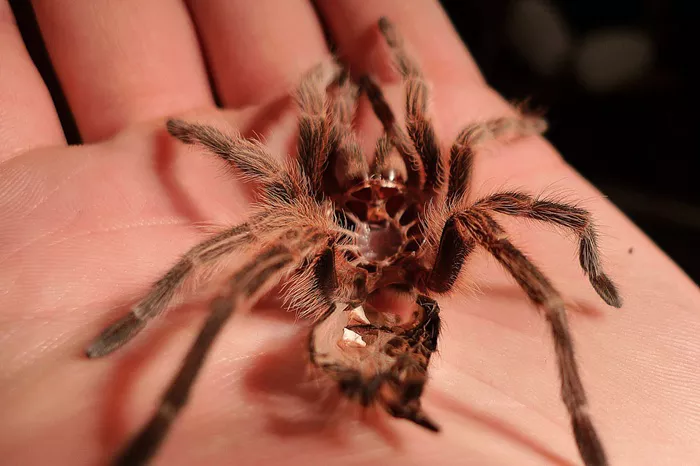
Have you ever wondered if you can hold a Chilean rose tarantula (Grammostola rosea)? Maybe you’ve seen those majestic spiders in pet stores or documentaries and thought, “Wow, I’d love to hold one!” But is it safe? Is it even a good idea? Let’s dive into this fascinating question and explore everything you need to know before attempting to hold this iconic species.
Why People Want to Hold a Chilean Rose Tarantula
Chilean rose tarantulas are among the most popular pet tarantulas worldwide. They are known for their beautiful rose-colored hairs, calm demeanor, and relative ease of care. For many, holding one feels like a cool experience—almost like connecting with a tiny prehistoric creature. It’s like shaking hands with a creature from another world!
But, just like holding a wild animal, it’s not as simple as it sounds. You might feel curious and excited, but you also want to be safe—both for yourself and your tarantula.
What Is a Chilean Rose Tarantula?
Before you hold one, it helps to understand what exactly you’re dealing with. The Chilean rose tarantula is a species native to the dry deserts and scrublands of Chile, Bolivia, and Argentina. They live in burrows and can grow to have a leg span of up to 15 cm (6 inches).
Compared to other tarantulas, they are often described as “docile” or “calm,” but “docile” doesn’t mean “always gentle.” Just like people, each tarantula has its own personality.
Can You Hold a Chilean Rose Tarantula? The Short Answer
Yes, you can hold a Chilean rose tarantula, but there are important things you must know first.
Holding one is not like holding a puppy or even a pet lizard. Tarantulas are delicate and have defense mechanisms that can hurt you or themselves. So, you should only hold your tarantula if you:
Are confident and calm
Know the tarantula’s behavior well
Understand the risks involved
Take proper precautions
If you rush in without preparation, you could stress the spider or get hurt.
What Happens When You Hold a Tarantula?
The Tarantula’s Perspective
Imagine being gently picked up by a creature a thousand times your size. That’s how your tarantula might feel. They have tiny, fragile bodies covered with hairs, and their legs can easily break if dropped.
Because of this, they tend to be nervous around sudden movements. When you hold them, they might:
−Freeze and stay still (a good sign)
−Run or jump away (they can fall easily)
−Flick tiny irritating hairs at you (a defense mechanism)
−Raise their front legs and show fangs (a warning)
Your Perspective
From your side, holding a tarantula can be exciting but also risky. The main dangers include:
−Being hit by urticating hairs, which cause itching or irritation
−Getting bitten (rare, but possible)
−Accidentally dropping the tarantula, which can kill it
What Are Urticating Hairs? Should You Worry?
Chilean rose tarantulas have special hairs on their abdomen called urticating hairs. Think of them like tiny barbed needles. When the spider feels threatened, it brushes these hairs off its back into the air—kind of like how a cat flicks its tail but way less cute.
These hairs can irritate your skin and eyes and cause itching or redness. For some people, especially if the hairs get into the eyes, it can be quite painful.
If you’re thinking about holding your tarantula, protect yourself by:
−Avoiding sudden movements that startle the spider
−Holding it gently and calmly
−Washing your hands afterward
−Never touching your eyes after handling the spider
Wearing gloves isn’t common because it can stress the tarantula, but if you’re nervous, light gloves can provide a barrier.
Are Chilean Rose Tarantulas Venomous? What About Their Bite?
Yes, all tarantulas are venomous to some extent—they use venom to subdue prey. But the venom of Grammostola rosea is considered mild and not dangerous to humans.
If a Chilean rose tarantula bites you, it’s usually because it feels very threatened. The bite might feel like a bee sting—painful but not medically serious. However, some people can have allergic reactions, so it’s good to be cautious.
Most bites happen when the tarantula is mishandled or provoked, so gentle care is key.
See Also: What’s the Best Food for Chilean Rose Tarantulas?
How to Safely Hold a Chilean Rose Tarantula: Step-by-Step Guide
If you’re ready to hold your tarantula, here’s a simple process to do it safely:
1. Choose a Calm Time
Make sure your tarantula is not:
Molting (shedding skin)
Eating or hunting
Acting defensive (raising legs or flicking hairs)
2. Prepare a Safe Space
Hold the tarantula over a soft surface or close to the ground to avoid injury in case it falls.
3. Wash Your Hands
Clean hands reduce risk of irritants and prevent transferring oils or chemicals.
4. Gently Guide the Tarantula
Use a soft brush or your fingers to encourage the tarantula to walk onto your hand. Don’t grab or squeeze.
5. Stay Calm and Still
Keep your hand steady and relaxed. Sudden moves can scare the spider.
6. Limit Holding Time
Don’t hold your tarantula for too long. A few minutes is plenty.
What to Avoid When Holding Your Tarantula
−Don’t pinch or restrain the tarantula’s legs
−Avoid holding above hard surfaces
−Never hold if your tarantula shows signs of stress
−Don’t force the spider out of its hiding place
Think of it like holding a delicate piece of glass—it requires patience and gentleness.
Why Some People Choose Not to Hold Their Tarantula
Many experienced keepers prefer not to hold their Chilean rose tarantulas at all. This is because:
−The spider is fragile and can be injured by falls
−Handling can cause stress that shortens lifespan
−Risk of urticating hair irritation or bites
−Tarantulas don’t enjoy handling the way mammals do
Instead, they admire their tarantulas through observation, which is just as rewarding.
Real Stories from Tarantula Owners
Sarah’s First Hold
“I was nervous at first, but my tarantula slowly crawled onto my hand. It felt weird but amazing to hold something so alien yet so gentle. I made sure to be slow and calm, and she never flicked her hairs or tried to bite. Holding her for a few minutes was awesome, but I always put her back safely.”
Tom’s Cautionary Tale
“I once dropped my Chilean rose tarantula by accident while holding him over a table. Luckily, he was unharmed, but it scared me so much I stopped handling him. Now I just watch him from his tank and enjoy his slow, graceful moves.”
Conclusion
Holding a Chilean rose tarantula is definitely possible, but it requires patience, care, and a good understanding of your spider’s behavior. These fascinating creatures are delicate and can easily get stressed or injured if handled roughly. They also have defense mechanisms, like flicking irritating hairs or biting when threatened, so approaching them calmly and respectfully is essential. Remember, the goal is to create a safe and comfortable experience for both you and your tarantula.
That said, not every tarantula owner chooses to handle their pet, and that’s perfectly okay. Observing these amazing spiders in their natural movements can be just as rewarding and helps keep them safe and stress-free. Whether you decide to hold your Chilean rose tarantula or admire it from afar, the key is to respect their nature and needs. With the right knowledge and gentle care, your tarantula can be a fascinating companion for years to come.
Related topics: