
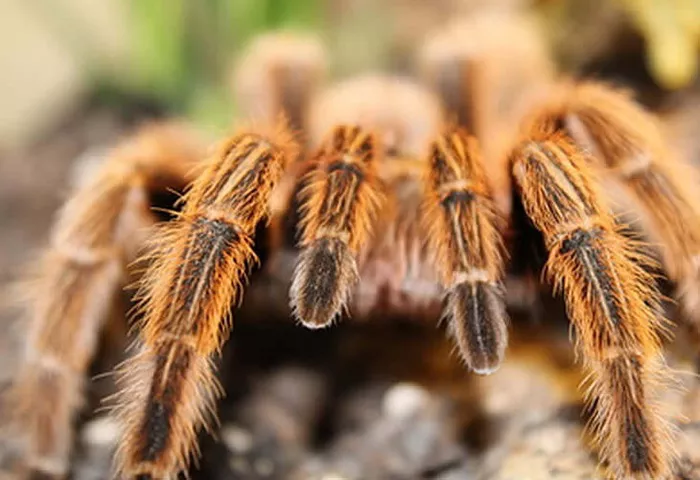
If you’ve just brought home a Chilean rose tarantula (Grammostola rosea), or you’re thinking about getting one, you’re probably wondering: what exactly do I feed this fascinating little creature? Unlike the usual pets like dogs or cats, feeding a tarantula can feel a bit mysterious. But don’t worry — by the end of this article, you’ll know exactly what to feed your tarantula, how often, and why certain foods are better than others. This guide is packed with easy explanations, practical tips, and even some fun facts to make your tarantula care journey truly awesome!
Why Diet Matters for Your Chilean Rose Tarantula
Just like you wouldn’t expect a lion to thrive on a salad, your tarantula’s health depends on the right food. Feeding your Chilean rose tarantula properly helps it grow, molt (shed its old skin), and stay active. The wrong diet can lead to problems like malnutrition or even shortened lifespan. Since these tarantulas can live up to 20 years, you want to make sure they have the best fuel for their long journey.
What Makes a Good Tarantula Meal?
Think of your tarantula’s diet like a mini buffet of protein-rich snacks. In the wild, they hunt insects and occasionally small lizards or rodents. In captivity, we try to mimic this natural diet as closely as possible with easily available feeder insects.
What Do Chilean Rose Tarantulas Eat in the Wild?
In their natural habitat—dry deserts and scrublands of northern Chile, Bolivia, and Argentina—these tarantulas feast on a variety of insects and small animals. Their favorite meals include:
Beetles
Crickets
Grasshoppers
Cockroaches
Caterpillars
Small lizards
Occasionally small rodents
Imagine your tarantula as a patient hunter lying in wait near its burrow, ready to pounce on anything that moves. It uses venom to immobilize prey and then digests it externally before sipping the nutrient-rich liquid. Pretty cool, right?
What to Feed Your Chilean Rose Tarantula at Home
1. Crickets – The Tarantula’s Staple Food
Crickets are the most common and recommended food for your tarantula. They’re like the fast food of the tarantula world—easy to catch, packed with protein, and readily available at pet stores.
Why crickets?
−Nutritionally balanced for tarantulas
−Easy to gut-load (feed nutritious foods to the crickets so they pass nutrients on)
−Keep well in captivity
−Appropriate size for most Chilean rose tarantulas
Gut-loading is a fancy word that means feeding your feeder insects fresh veggies or grains before offering them to your tarantula. Think of it as prepping a healthy meal for your meal!
2. Other Insects: Variety is the Spice of Life
While crickets are awesome, your tarantula will appreciate some variety:
Mealworms: The soft larvae of beetles. Great as treats but avoid overfeeding because they have hard exoskeletons that can be tough to digest.
Waxworms: High in fat, so offer sparingly to prevent obesity. Like giving your pet a candy bar every now and then.
Roaches: Dubia roaches are popular feeder insects—nutritious and low odor.
Grasshoppers: Closer to their wild diet, but less commonly available.
Silkworms: A nutritious option but can be harder to find.
3. Small Lizards and Rodents? Not Recommended for Beginners!
Some wild Chilean rose tarantulas occasionally eat small lizards or rodents, but feeding such prey in captivity is not advised for beginners. Rodents can be too big, aggressive, or carry diseases. Stick to insects until you’re more experienced.
See Also: Chilean Rose Tarantula: Do You Know These Fun Facts?
How Often Should You Feed Your Tarantula?
You might think your tarantula needs daily meals like your cat or dog—but that’s not the case! These spiders have slow metabolisms and can comfortably fast for weeks or even months.
Feeding schedule tips:
Juveniles (young tarantulas): Feed every 5-7 days to support growth
Adults: Feed every 7-14 days, depending on activity level and appetite
Molting tarantulas: Usually stop eating days or weeks before shedding. Don’t offer food during this time—it can stress them.
If your tarantula ignores food for a while, don’t panic. It’s normal behavior, especially in adults. Like humans skipping meals sometimes, tarantulas regulate their eating naturally.
How to Offer Food Safely
Placing live insects in the enclosure can sometimes lead to feeder insects biting or irritating your tarantula. Here are some tips to keep feeding safe and stress-free:
−Remove uneaten food after 24 hours to prevent injury or stress
−Offer prey smaller than the tarantula’s body size to avoid fights
−Use tongs or feeding dishes if needed to control feeding
−Ensure prey insects are healthy and gut-loaded
What Not to Feed Your Chilean Rose Tarantula
Avoid the following:
−Wild-caught insects (risk of pesticides or parasites)
−Insects sprayed with insecticides
−Fatty or sugary human food—no cookies or fruits!
−Large prey that can harm the tarantula
−Live mammals or birds
Fun Facts: Tarantula Feeding Behavior
Here’s something cool: Chilean rose tarantulas inject venom that breaks down prey tissues before eating. It’s like pre-chewing your food but way faster and grosser!
Also, these tarantulas have tiny urticating hairs on their abdomen. If stressed during feeding, they might flick these irritating hairs at you as a defense—wear gloves if you want to avoid itchy surprises.
Real-Life Story: A Beginner’s Feeding Success
Emily, a first-time tarantula owner, shares:
“At first, I was nervous about feeding my Chilean rose tarantula. I started with crickets from the pet store and gut-loaded them with carrots and leafy greens for a few days. My tarantula was shy but quickly learned to hunt. Now, I feed her every week, and she seems happy and healthy. It’s like watching a tiny, patient predator at work!”
Summary: Feeding Your Chilean Rose Tarantula Made Simple
Feeding your Chilean rose tarantula is straightforward once you know the basics:
−Focus on nutritious feeder insects, especially gut-loaded crickets
−Feed juveniles more often, adults less frequently
−Offer a variety of insects but avoid overly fatty treats
−Remove uneaten prey promptly to keep the enclosure clean
−Don’t worry if your tarantula skips meals occasionally—it’s normal!
This approach ensures your pet stays healthy, active, and ready for many years of companionship.
Related topics: