
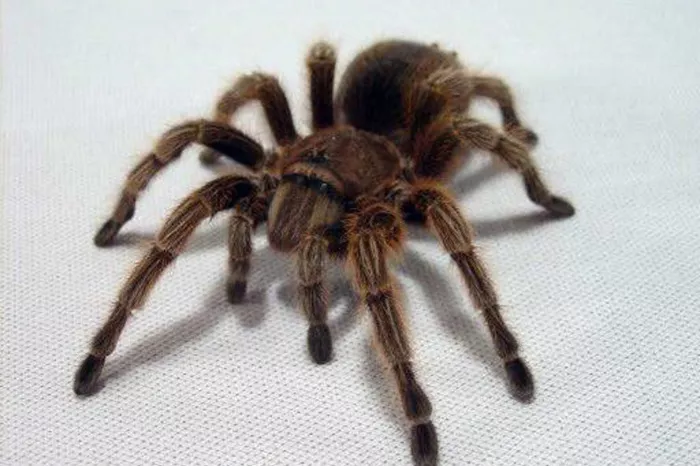
Have you ever wondered just how big a Chilean Rose Tarantula can get? For many who are just beginning to explore the world of exotic pets, the idea of having a tarantula may seem both fascinating and a bit intimidating. But one of the most common questions that often come up is about their size. How big do they actually get?
In this article, we’ll dive deep into everything you need to know about the size of the Chilean Rose Tarantula. We’ll break it down so it’s easy to understand, and by the end, you’ll have a full picture of how large these spiders really get—and how to care for them based on their size!
Ready to learn more about this fascinating species? Let’s get started!
What Is the Chilean Rose Tarantula?
The Chilean Rose Tarantula (Grammostola rosea) is one of the most popular species of tarantulas kept as pets. Native to Chile, Argentina, and Bolivia, they’re well-known for their docile nature and their striking appearance with brown or reddish-brown hairs.
Their name “Chilean Rose” comes from the soft pink or rose color on their bodies, which becomes more noticeable as they mature. But don’t be fooled by their beauty—despite their somewhat harmless reputation, Chilean Rose Tarantulas are still impressive creatures, especially when it comes to their size.
See Also: How to Care for a Chilean Rose Tarantula: Beginner’s Guide
How Big Do Chilean Rose Tarantulas Grow?
Size at Different Stages
Chilean Rose Tarantulas, like all spiders, go through various stages in their lives. From egg sac to full-grown adult, the size of a tarantula changes drastically. So, let’s break down what you can expect at each stage of their life.
Egg Sac to Spiderling (0 to 2 months)
When Chilean Rose Tarantulas hatch from their egg sac, they are tiny, measuring just about 0.5 cm (0.2 inches) in length. At this stage, they are often called spiderlings. To put that in perspective, they are about the size of a small seed!
During this stage, their bodies are soft and vulnerable, and they spend their time feeding and growing. If you’re lucky enough to raise a spiderling, they’ll gradually molt (shed their exoskeleton) as they grow.
Juvenile Stage (2 to 4 years)
As the Chilean Rose Tarantula grows, it reaches the juvenile stage, where it starts to develop more distinct features, including a noticeable size increase. At this stage, they can grow up to 5–6 cm (2–2.5 inches) in body length. Although still not full-grown, their larger size makes them more robust and able to hunt small insects more efficiently.
For comparison, they are roughly the size of a half dollar coin—that’s already a pretty sizable spider!
Adult Size (4 to 10 years)
Once they reach adulthood, Chilean Rose Tarantulas become full-grown, and this is when their impressive size becomes evident. Adults typically measure around 15 cm (6 inches) in leg span—that’s roughly the size of a dinner plate!
In fact, their leg span is often the most defining measurement when talking about the size of a tarantula. Although their body length is generally around 5–6 cm (2–2.5 inches), their legs extend much farther, making them appear much larger than they are.
Comparison: Size in Perspective
To help you visualize their size, let’s make a comparison. If you think of a common coffee mug, a Chilean Rose Tarantula with its leg span fully stretched out would cover nearly the same space as the top of the mug. They’re big—but not terrifyingly huge—and with their calm demeanor, they’re manageable for most hobbyists.
Factors Affecting the Size of a Chilean Rose Tarantula
Now that you know the general size of a Chilean Rose Tarantula, you might be wondering: What factors influence how big they actually grow? Well, let’s explore some of the key influences.
1. Diet and Nutrition
Just like any living creature, diet plays a huge role in how fast and how large a tarantula will grow. A Chilean Rose Tarantula in the wild typically feeds on small insects, lizards, and even small mammals. In captivity, you can feed them crickets, cockroaches, and other invertebrates, which will help them grow to their full potential.
A well-fed tarantula will experience faster growth, while one that is underfed may grow more slowly, or even fail to reach its full adult size.
2. Temperature and Environment
The temperature and environment in which your Chilean Rose Tarantula lives can also affect its size. If the enclosure is kept at an optimal temperature of 22–27°C (72–80°F), your tarantula is likely to grow well and thrive. Cold conditions can slow their metabolism, which in turn can affect their overall growth rate.
3. Molting Frequency
As tarantulas grow, they must molt (shed their skin) in order to continue growing. The frequency of molting decreases as they mature, but younger tarantulas molt much more frequently—sometimes every few months. This allows them to quickly grow larger in a short amount of time.
If your tarantula is molting regularly, it’s a good sign that they are healthy and growing at an appropriate pace.
What to Expect From the Size of a Chilean Rose Tarantula as a Pet
Handling Size: Do Chilean Rose Tarantulas Bite?
One concern you might have as an owner of a Chilean Rose Tarantula is whether their size makes them dangerous. While these spiders do have venom, they are considered non-aggressive and are unlikely to bite unless provoked. Their bite might feel like a sting, but it is rarely harmful to humans. In fact, their size means their bite may be less aggressive than smaller species.
However, don’t be fooled by their docile behavior—handling should always be done with care. Because they are large and can be a bit unpredictable, it’s important to respect their space and not force them into contact.
Enclosure Size for Adult Chilean Rose Tarantulas
As your Chilean Rose Tarantula reaches its full size, you’ll need to provide a larger enclosure to accommodate its needs. A typical adult tarantula requires a terrarium that is at least 10 gallons (40 liters), with plenty of vertical space for them to climb and move around.
Their enclosure should include plenty of hiding spots and areas for burrowing, as these spiders are burrowing species in the wild. They are also solitary animals, so it’s best to house them alone.
Conclusion
In summary, Chilean Rose Tarantulas are impressive creatures that can grow up to 15 cm (6 inches) in leg span as adults. Whether you’re a new pet owner or a seasoned arachnid enthusiast, understanding their growth and size is crucial to providing the best care for these fascinating spiders. From their tiny beginnings as spiderlings to their impressive adult size, Chilean Rose Tarantulas never cease to amaze!
Related topics: