
When you think of tarantulas, your first thought may not always be positive—after all, these spiders are often seen as creatures of fear. But if you take a moment to observe them closely, you’ll realize they possess an undeniable beauty. Among them, the Chilean Flame Tarantula stands out with its striking look and intriguing behavior. Whether you’re considering adding this remarkable arachnid to your collection or simply want to learn more, you’ve come to the right place.
Why Is the Chilean Flame Tarantula So Special?
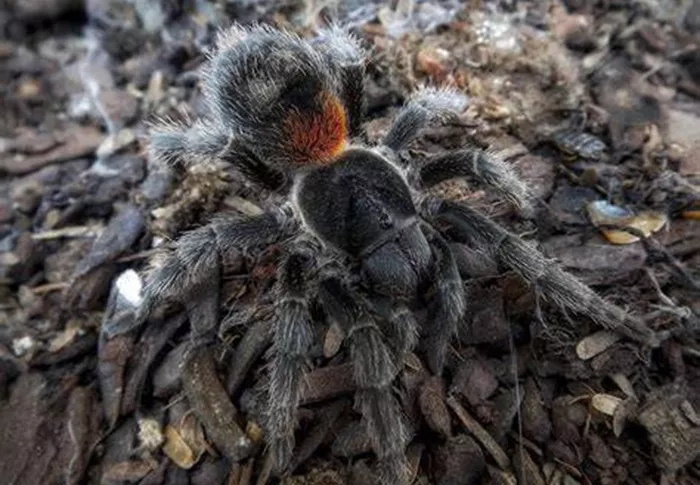
Picture this: A large, stocky, furry spider, its body mostly dark black, but with a burst of fiery orange-red fuzz on its back, making it look like a living flame. This stunning contrast is what sets the Chilean Flame Tarantula apart from other species. While the rest of its body is a deep, mysterious black, the orange fuzz on its back resembles flames, creating a visual spectacle unlike any other.
Despite its imposing size and color, this spider isn’t as aggressive as you might think. However, it does have its defenses, which means it requires a bit more care and respect when kept as a pet.
Where Does the Chilean Flame Tarantula Come From?
The Chilean Flame Tarantula, as its name suggests, is native to Chile, though it can also be found in parts of Peru and Bolivia. These tarantulas thrive in dry, rocky hillsides and scrubby woodlands, where the climate is typically arid and cold. To replicate its natural habitat, it’s essential to create an environment that mimics these dry conditions—something like dry soil, plenty of hiding spaces, and occasional humidity to maintain balance.
In the wild, these spiders are known to live in rock crevices and burrows. If you’re keeping one as a pet, ensure their enclosure offers these same comforts, such as dark corners and safe hideaways.
The Anatomy of the Chilean Flame Tarantula: What Makes It Unique?
The Chilean Flame Tarantula may appear intimidating at first glance, but it is a marvel of nature’s design. Here are some key aspects of its anatomy:
Legs: The legs of this tarantula are long, covered in fine hairs, and equipped with incredible sensory capabilities. They not only allow the spider to move gracefully but also help it sense vibrations in the environment.
Coloration: What truly makes the Chilean Flame Tarantula stand out is its bold contrast. While the majority of its body is dark black, its back is adorned with orange-red fuzz, which resembles a flame flickering in the dark. This coloration not only gives the spider its unique appearance but also helps it blend into its rocky surroundings for camouflage.
Fangs and Venom: Like other tarantulas, the Chilean Flame Tarantula has venomous fangs, which it uses to immobilize its prey. However, its venom isn’t dangerous to humans, though it might cause mild irritation if bitten.
Creating a Suitable Habitat for the Chilean Flame Tarantula
Replicating the Chilean Flame Tarantula’s natural environment is essential for its well-being in captivity. Here’s how you can do that:
Enclosure: A 10-gallon tank is usually sufficient for a single Chilean Flame Tarantula. Make sure the tank has good ventilation and a secure lid because these spiders can be great climbers.
Substrate: Use materials like coconut fiber, peat moss, or vermiculite for the substrate. These materials mimic the dry, sandy conditions of its native habitat, and a substrate depth of 2-4 inches allows for burrowing.
Temperature and Humidity: These tarantulas thrive in warm, dry conditions, with a temperature range of 75-85°F (24-29°C). They require a low level of humidity, but occasional misting will help maintain the proper balance.
Hiding Spots: Provide several hiding places like rocks, cork bark, or even artificial plants to replicate the tarantula’s preference for dark, sheltered spaces.
Diet: What Does the Chilean Flame Tarantula Eat?
Chilean Flame Tarantulas are carnivores, feeding primarily on insects like crickets, mealworms, and roaches. In the wild, they hunt for small creatures, and in captivity, it’s best to provide prey of an appropriate size—about the same size as the spider’s body.
Though they’re not particularly fast eaters, they’re highly efficient hunters. They will often sit patiently in their burrow or on a perch, waiting for prey to come close enough before striking.
Handling the Chilean Flame Tarantula: What You Need to Know
One of the most common questions about tarantulas is whether they can be safely handled. While Chilean Flame Tarantulas are not typically aggressive, they do have a defensive nature, especially if they feel threatened.
Temperament: These tarantulas tend to be defensive rather than aggressive. They are quick to flick their urticating hairs, which can cause irritation to the skin and eyes. So, handling should be minimal and done with care.
Handling: If you choose to handle your Chilean Flame Tarantula, be very slow and gentle. Never force it to climb onto your hand. Allow it to crawl onto your palm at its own pace, and avoid sudden movements.
Growth and Lifespan of the Chilean Flame Tarantula
The Chilean Flame Tarantula can live anywhere from 10 to 15 years, with females generally living longer than males. During its life, the spider will undergo molting, a process where it sheds its exoskeleton to grow. Molting is a vulnerable period for the tarantula, so make sure the environment is humid enough to help the spider molt successfully.
Chilean Flame Tarantula’s Behavior: A Solitary Creature
Chilean Flame Tarantulas are solitary by nature. They do not tolerate other tarantulas well and should always be housed alone. Unlike some tree-dwelling species, they are primarily terrestrial and spend most of their time on the ground, often hiding in burrows or between rocks.
Conclusion
The Chilean Flame Tarantula is more than just a fascinating addition to any exotic pet collection. With its striking appearance, fascinating behaviors, and unique care requirements, it is a truly remarkable species. By providing the right environment and care, you can enjoy many years with this fiery arachnid.
Related topics: