
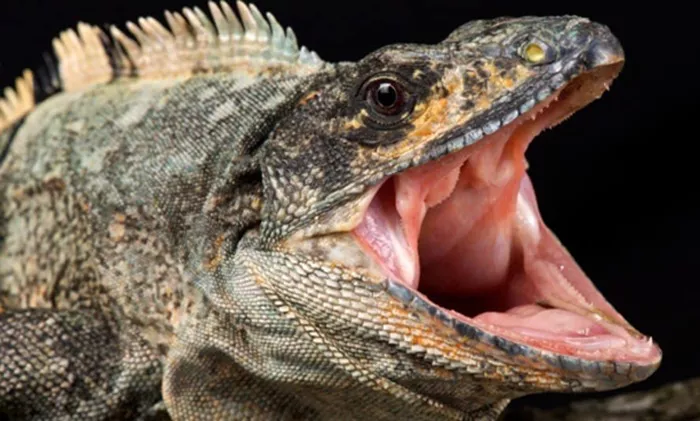
You might have seen an iguana basking in the sun, calmly munching on leaves, looking peaceful and almost lazy. But have you ever wondered, “Are iguana teeth sharp?” This question can be especially important if you’re a pet owner or thinking of becoming one. After all, we associate reptiles with bites, and we naturally want to know how dangerous they might be.
The short answer? Yes, iguanas do have sharp teeth — sharper than most people expect. But don’t worry just yet. Understanding how their teeth work, why they are sharp, and how they use them can help you handle and care for an iguana safely. In this article, we’ll take a deep dive into the fascinating world of iguana dentition, their behavior, and what their bite really means. Whether you’re a curious reader, a reptile lover, or someone with a pet iguana, you’ll get all the insights you need — in simple, clear terms.
Iguanas and Their Role in Nature
Before we zoom in on their teeth, let’s step back and see the bigger picture. Iguanas are herbivorous reptiles that mainly eat plant matter. They are native to Central and South America, as well as the Caribbean. Green iguanas, one of the most common species, are often kept as pets, although not without challenges.
In the wild, iguanas feed on leaves, fruits, and flowers. You might think that because they eat soft vegetation, their teeth would be flat and dull like a cow’s. But that’s not the case. Iguanas have evolved a different strategy — and that involves some surprisingly sharp dental tools.
Iguana Teeth: What Do They Look Like?
Iguanas have what are known as acrodont teeth. This means their teeth are not embedded in deep sockets like ours but are instead fused to the surface of their jawbones. Each tooth is small, uniform, and closely spaced, resembling tiny serrated blades — somewhat like the edge of a bread knife.
Imagine the teeth of a small saw: that’s pretty close to what an iguana’s teeth look like. Each tooth is designed to slice through tough plant fibers, not just chomp down like a human molar.
Despite their size, the design makes these teeth surprisingly effective—and sharp. These aren’t teeth made for grinding; they’re made for slicing. When an iguana bites, the motion is more like scissors cutting through paper than teeth crushing food.
Why Do Herbivores Like Iguanas Have Sharp Teeth?
Here’s where it gets really interesting. Usually, we associate sharp teeth with meat-eating animals like lions or wolves. But nature doesn’t always follow our assumptions.
Iguanas eat a lot of fibrous plant matter, which is tougher to break down than you might think. Tough leaves, bark, and plant stems can be surprisingly hard to chew. Iguanas don’t chew in the way we do — they need to shear and shred their food. That’s where their razor-like teeth come in.
Think of it like cutting kale or collard greens. If you had to chew that with blunt teeth, you’d get tired fast. Iguanas need their sharp teeth to break down their leafy meals efficiently. It’s all about efficiency and survival in the wild.
Can an Iguana Bite You?
Let’s address the big question head-on: Can an iguana bite hurt you? The answer is yes, it can. While iguanas aren’t naturally aggressive, they can and do bite if they feel threatened or are handled improperly.
A bite from a full-grown green iguana can break the skin and cause bleeding. In some cases, it can even require stitches. The damage isn’t usually life-threatening, but it’s not something to laugh off either.
The danger isn’t just from the bite itself. Iguanas carry bacteria in their mouths, and a bite could lead to infection if not cleaned properly. Also, their bites can sometimes lock in due to strong jaw muscles and reflexes, especially if the animal feels panicked.
But before you panic — this doesn’t mean iguanas are out to get you. In fact, bites are rare in well-socialized iguanas. Most bites happen because the iguana is scared, stressed, or feels cornered.
When Do Iguanas Use Their Teeth?
You’ll almost never see an iguana attacking other animals in the wild. Their sharp teeth are tools, not weapons. Iguanas use their teeth for:
Feeding: The most common use. They shred leaves, flowers, and fruits into pieces they can swallow.
Defense: If cornered, especially during mating season, they may bite to defend themselves.
Territorial Behavior: Male iguanas can be aggressive toward each other and may bite during fights.
Think of their teeth like a chef’s knife — it’s meant for food, not for combat. But like any sharp tool, it can cause injury if
misused.
How Sharp Are Iguana Teeth Really?
Let’s put it into perspective. While not comparable to the fangs of a venomous snake, iguana teeth are sharp enough to slice skin, especially on tender areas like fingers or hands.
Here’s a rough analogy: if a paper cut can hurt and bleed, then imagine a mouth full of paper-cutting tools. That’s the level we’re talking about.
In fact, veterinarians who treat iguanas often wear protective gloves to avoid bites during exams. Even baby iguanas can cause cuts — their teeth are sharp from the start.
Do Iguana Teeth Grow Back?
Yes! Iguanas, like many reptiles, are polyphyodonts, meaning they can replace their teeth continuously throughout life. Old teeth fall out, and new ones grow in their place.
This allows them to keep their slicing ability sharp even after years of use. It’s a bit like having a built-in dental renewal system. Their constant chewing and shredding would wear down human teeth quickly, but iguanas are built for the long haul.
On average, they can have 80 to 120 teeth in their mouths at a time, depending on their size and age. That’s a lot of little saws!
Handling Your Iguana Safely
If you own an iguana or plan to get one, you’re probably wondering how to avoid getting bitten. Great question! Here are some tips:
Handle gently and often: Regular, calm handling helps build trust.
Watch for warning signs: Tail whipping, puffing up, or hissing means “Back off!”
Feed properly: Use feeding tongs if needed to avoid accidental nips.
Be cautious during breeding season: Males especially can get more territorial.
The key is respect. If you treat your iguana with patience, it’s far less likely to see you as a threat.
Are Iguanas Dangerous Pets Because of Their Teeth?
Not at all — at least not if you’re prepared. Yes, their teeth are sharp. Yes, bites can happen. But compared to many other animals, iguanas are not naturally aggressive and don’t bite unless provoked or frightened.
In fact, many iguana owners go years without being bitten once. The trick is understanding iguana body language, creating a safe habitat, and approaching them with respect.
Compare that to a parrot’s bite (which can crush a walnut) or even a cat’s scratch (which can lead to infection), and you’ll see that an iguana’s bite, while sharp, is manageable.
See Also: The Truth About Iguanas and Biting
Teeth Care: Do Iguanas Need Dental Checkups?
Surprisingly, yes. While you won’t be brushing your iguana’s teeth, regular vet checkups are important. Iguanas can suffer from mouth rot (infectious stomatitis), a painful condition that occurs when bacteria infect the mouth tissues.
This can happen if their diet is poor, their tank is dirty, or if they injure their mouth and it doesn’t heal properly. Warning signs include:
Swollen mouth or face
Loss of appetite
Pus or discoloration around the mouth
Catching these early can save your iguana from serious pain. A good reptile vet will check their teeth during routine exams.
Do Baby Iguanas Have Sharp Teeth?
Yes — from the very beginning. Even hatchlings are equipped with tiny but sharp teeth. While they may not have the jaw strength of adults, their teeth are fully functional and can still hurt.
That means even young iguanas require careful handling. Just because they’re small doesn’t mean they can’t bite. The same rules of trust, gentleness, and reading body language apply.
Can You File or Trim Iguana Teeth?
In general, no. Unlike a dog’s nails, iguana teeth should not be filed or trimmed unless under medical supervision by a reptile vet. Their teeth are delicate and meant to wear down naturally through chewing on appropriate foods.
If your iguana’s teeth seem overgrown or misaligned, it could be a sign of underlying dietary or health issues, not something to DIY fix. Always consult a professional if you notice something unusual.
Famous Iguana Bite Incidents
Though rare, there have been a few documented cases of serious bites, usually when someone provoked or mishandled a large adult male. One case involved a pet owner receiving five stitches after a bite during feeding. Another case involved a zookeeper being bitten when separating two males during breeding season.
But again — these are the exceptions, not the rule. With the right knowledge and care, you can avoid becoming part of this statistic.
Conclusion
So, are iguana teeth sharp? Absolutely — they’re like miniature saw blades made for slicing through vegetation. But should that scare you away from iguanas? Not at all.
Sharp teeth are just part of their biology, not a sign of aggression. If you treat your iguana with care, respect their signals, and understand their behavior, you’re unlikely to ever get bitten.
Learning how iguanas use their teeth gives you deeper insight into how amazing and complex these reptiles really are. From their self-renewing dental system to their delicate feeding techniques, iguanas are nothing short of fascinating. Whether you’re a future owner or just an intrigued observer, now you can appreciate those little toothy grins in a whole new way.
Related topics: