
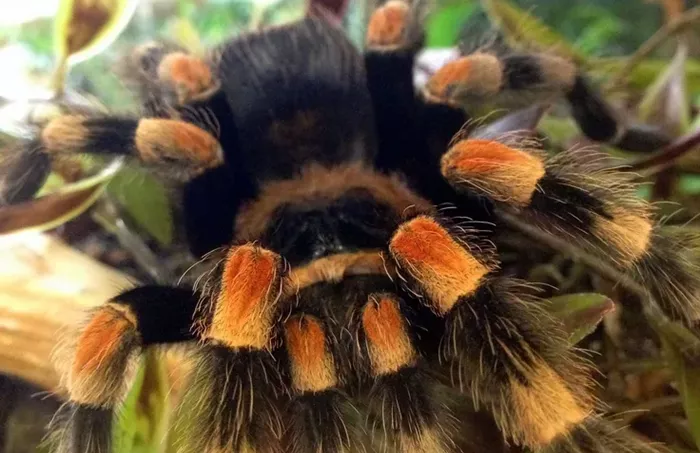
When you think of exotic pets, the Mexican Red Knee Tarantula is often one of the first creatures that come to mind. Known for its striking appearance, with its vivid orange-red knee markings, this tarantula has become a popular pet in the arachnid world. However, one of the questions that frequently arises among enthusiasts and potential owners is: Are Mexican Red Knee Tarantulas rare? Let’s explore this topic in detail to understand the factors behind their rarity and the considerations for owning one.
Introduction: The Mexican Red Knee Tarantula
The Brachypelma smithi, commonly known as the Mexican Red Knee Tarantula, is a species native to the dry, semi-arid regions of western Mexico. This species is often praised for its calm nature, making it a favorite among tarantula enthusiasts, especially beginners. Its impressive size, striking orange-red markings on its knees, and relatively docile temperament make it stand out in the world of tarantulas.
But how “rare” is it, really? To understand this, we need to dive deeper into the species’ habitat, conservation status, and the factors affecting its population in the wild and in captivity.
What Makes a Species Rare?
Before jumping straight into the rarity of the Mexican Red Knee Tarantula, it’s essential to understand what we mean by the term “rare.” When talking about animals, “rare” can mean a few different things:
Small Population: If a species has a low number of individuals in the wild, it’s considered rare.
Limited Range: A species that only exists in a specific, often restricted, geographical area might also be considered rare.
Conservation Status: Sometimes, a species can be rare because it’s at risk of extinction, and conservation efforts are being made to protect it.
For the Mexican Red Knee Tarantula, several factors play into whether it can be classified as rare. Let’s break it down.
Habitat and Geographic Distribution
The Mexican Red Knee Tarantula is endemic to Mexico, meaning it is only found in certain regions of the country. Specifically, it resides in the western and central parts of the country, primarily in areas such as the states of Sonora and Sinaloa. The tarantulas prefer dry, scrubby environments where they can find plenty of hiding spots. These areas are often remote, which means the tarantula’s distribution is geographically limited.
This restricted habitat range is a key factor that contributes to the species’ rarity in the wild. The more confined the range, the more likely the species is to be considered rare. However, just because a species has a limited range doesn’t always mean it’s endangered. There are many factors at play.
Conservation Status: Are They Endangered?
In terms of conservation status, the Mexican Red Knee Tarantula is not currently listed as endangered by major organizations like the International Union for Conservation of Nature (IUCN). However, this doesn’t mean it’s completely safe. There are a few concerns when it comes to their survival:
Habitat Loss: Like many other species in the wild, the Mexican Red Knee Tarantula faces threats from habitat destruction, primarily due to urbanization and agriculture. As humans encroach on their natural habitat, these tarantulas lose the places where they burrow and hide.
Illegal Trade: Another significant threat to the Mexican Red Knee Tarantula is the illegal pet trade. While captive breeding programs have made it easier to obtain these tarantulas legally, there is still a black market where wild-caught specimens are sold. This illegal trade can have detrimental effects on their populations in the wild.
Despite these threats, Mexican Red Knee Tarantulas are not currently facing an immediate risk of extinction. However, the potential for the population to decline due to illegal poaching and habitat destruction does make them vulnerable.
Captive Breeding and Availability in the Pet Trade
One of the reasons you may have encountered the Mexican Red Knee Tarantula at a pet store or online is due to the success of captive breeding programs. These programs have allowed the species to be bred in captivity and sold to enthusiasts without putting pressure on wild populations. In fact, the vast majority of Mexican Red Knee Tarantulas available for sale are bred in captivity rather than being caught in the wild.
Thanks to the efforts of breeders, the species is relatively common in the pet trade, and it’s not considered rare in captivity. Captive breeding has made the tarantula more accessible to the public, which has increased its popularity as a pet.
However, it’s important to note that captive-bred individuals can still be affected by their genetic pool. As the breeding process becomes more widespread, there’s always a risk of inbreeding, which can lead to health issues in the population. But overall, captive breeding has helped ensure the species’ survival and availability in the pet trade.
Demand and Popularity: How This Affects Perception of Rarity
Because the Mexican Red Knee Tarantula is one of the most popular tarantula species in the pet trade, some people may perceive it as “common” or “easy to find.” However, this popularity does not necessarily mean that it is abundant in the wild. The popularity of this species in captivity has led to a consistent demand, which has, in turn, supported breeding programs.
Interestingly, as a result of this high demand, some people may even associate the species’ widespread availability with rarity in the wild. The perception of rarity can often be skewed by the difference between what you encounter in the pet store and what exists in nature.
Are Mexican Red Knee Tarantulas Rare in the Wild?
In the wild, the Mexican Red Knee Tarantula is indeed less common compared to some other species of tarantulas. Due to its limited geographical range and the threats it faces from habitat loss and illegal poaching, the species is becoming increasingly difficult to find in its natural environment. However, thanks to conservation efforts and the popularity of captive breeding, the species is not currently facing extinction.
While they might not be as rare as some might think, they are certainly harder to find in the wild compared to other, more widespread tarantula species.
What to Know Before Owning a Mexican Red Knee Tarantula
If you’re considering getting a Mexican Red Knee Tarantula as a pet, it’s essential to understand the responsibility involved. While they may not be rare in the pet trade, they still require proper care and attention. Some things to consider before adopting one include:
Temperature and Humidity: Like all tarantulas, Mexican Red Knees need a specific temperature and humidity range to thrive. They prefer a dry environment with temperatures between 75°F and 85°F (24°C to 29°C). Be sure to maintain these conditions to keep your tarantula healthy.
Diet: These tarantulas are carnivorous, feeding primarily on insects like crickets, roaches, and mealworms. Be sure to provide them with a balanced diet and ensure that the food is appropriately sized.
Enclosure: The tarantula will need a secure enclosure with plenty of hiding spaces. Use substrate that holds moisture but doesn’t stay wet, as excess moisture can lead to mold and health problems.
Conclusion
While the Mexican Red Knee Tarantula might be rare in the wild due to its limited geographic range and habitat threats, it is not considered rare in the pet trade. Captive breeding programs have ensured a steady supply of these beautiful tarantulas for enthusiasts, allowing them to be a common pet choice. However, it’s crucial to remain mindful of the species’ conservation status and continue supporting ethical practices in both breeding and habitat preservation.
For those looking to adopt one, it’s essential to do so responsibly and to understand the care needs of this magnificent creature. With the right conditions, the Mexican Red Knee Tarantula can live a long and healthy life in your care.
Related topics: