
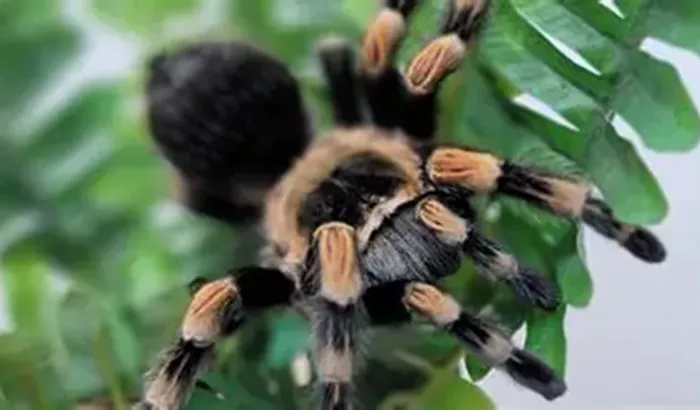
The Mexican Red Knee Tarantula (Brachypelma smithi) is one of the most iconic and beloved species in the tarantula world. Known for its striking red-orange leg markings and docile nature, it has become a popular pet for both beginner and experienced tarantula keepers. However, one key question that often arises when it comes to this species is: Are Mexican Red Knees arboreal?
In this article, we will explore the natural habitat and behavior of the Mexican Red Knee Tarantula, focusing on whether they are truly arboreal or if they prefer other types of environments. By the end, you’ll have a clearer understanding of how to care for this species and what type of habitat best suits their needs.
Introduction: The Mexican Red Knee Tarantula’s Habitat
To answer the question of whether Mexican Red Knees are arboreal, we must first understand the term “arboreal” and what it means for a tarantula. An arboreal species is one that lives primarily in trees or other elevated structures. These spiders are adapted to a life in the vertical environment of tree branches, using their silk to create webs that provide shelter and hunting grounds.
Mexican Red Knees, on the other hand, are native to the dry, arid regions of western Mexico, particularly in the states of Sinaloa and Sonora. Their natural environment consists of scrublands, deserts, and scattered vegetation—far from the towering trees one might expect of a true arboreal species. So, are Mexican Red Knees really arboreal, or do they belong to a different habitat?
What Is an Arboreal Species?
Before diving into the specifics of the Mexican Red Knee’s natural behavior, it’s important to understand what we mean by “arboreal.” The term refers to creatures that predominantly live in trees, relying on vertical structures for shelter, food, and reproduction. Many tarantula species, such as the Pink-toed Tarantula (Avicularia avicularia), are true arboreals, spending most of their lives in the trees and webbing up high.
These spiders often have specialized adaptations for climbing, such as a lighter body build, longer legs, and more adept claw structures that help them grip onto vertical surfaces. Arboreal tarantulas also tend to build their webs in trees, creating a combination of silk-lined retreats and foraging spots.
In contrast, terrestrial species, such as the Mexican Red Knee Tarantula, are more adapted to life on the ground. They often create burrows or shelters beneath rocks or vegetation and use their webs to create a barrier for protection or as a hunting tool.
The Mexican Red Knee Tarantula: Terrestrial or Arboreal?
The Mexican Red Knee Tarantula is classified as a terrestrial species, meaning it primarily inhabits the ground rather than climbing trees. This species is often found in dry, rocky areas, under fallen logs, or in burrows where it takes shelter from the harsh environment. Unlike true arboreals, Mexican Red Knees do not seek out trees or elevated spaces as their main habitat.
1. Habitat in the Wild
In their natural habitat, Mexican Red Knees tend to favor the low-lying areas where they can burrow into the soil or find shelter under rocks and vegetation. They are known to dig extensive burrows where they can retreat and wait for prey to pass by. While these tarantulas may occasionally climb low shrubs or vegetation in search of food, they are not built for an arboreal lifestyle.
2. Physical Characteristics of the Mexican Red Knee
One of the key features that distinguish terrestrial tarantulas from arboreal species is their physical traits. Mexican Red Knees, like many other ground-dwelling tarantulas, have a more robust and heavy body structure. They are not as agile or adapted for climbing as their arboreal counterparts, which tend to have longer, slimmer legs.
Additionally, their claws are not as specialized for gripping vertical surfaces, making them less likely to thrive in a tree-dwelling environment. Instead, their sturdy bodies and relatively short legs are perfect for navigating the ground, digging burrows, and hunting from a stationary position.
What Does This Mean for Pet Care?
If you are thinking about keeping a Mexican Red Knee Tarantula as a pet, it’s important to know how their natural behavior influences their care. Since they are terrestrial and not arboreal, their enclosures should reflect this.
1. Creating the Right Habitat
For a healthy Mexican Red Knee, you’ll want to set up an enclosure that mimics its natural environment—one that provides ample space for burrowing and shelter. A deep substrate, such as coconut fiber or peat moss, will allow your tarantula to dig and create its own burrow.
Unlike arboreal species, Mexican Red Knees do not need a lot of vertical space for climbing, so a spacious, low tank with a secure lid will suffice. It’s important to maintain appropriate humidity levels and provide hiding spots like rocks or pieces of bark, but don’t feel the need to add branches or tall decorations like you would for an arboreal species.
2. Feeding and Behavior
Mexican Red Knees are opportunistic predators, waiting patiently in their burrows for prey to wander by. They are not as active or mobile as arboreal tarantulas that actively hunt in trees. Instead, your tarantula will likely remain in its burrow, using its webbing to trap and subdue any food that passes too close. This means you won’t need to provide climbing structures for hunting.
Conclusion
In conclusion, the Mexican Red Knee Tarantula is not an arboreal species. It is a terrestrial spider that prefers to live on the ground, using burrows for shelter and food. While it may occasionally climb on low shrubs or vegetation, its primary habitat consists of dry, rocky areas where it can dig and hide.
Understanding the natural behavior of this species will help you create a more suitable and comfortable environment for your pet. Providing a well-furnished, terrestrial setup will ensure your Mexican Red Knee thrives in captivity, living a long and healthy life.
Related topics: