
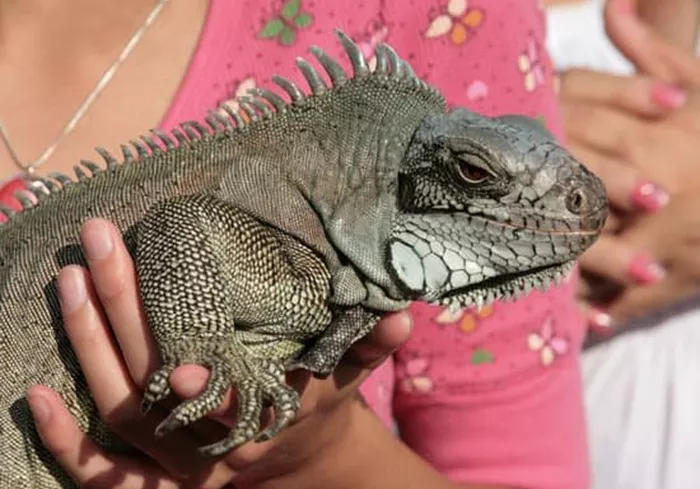
Iguanas are fascinating creatures, often admired for their unique appearance and behaviors. Native to the tropical regions of Central and South America, these reptiles have found their way into many homes as exotic pets. With their striking green scales, long tails, and inquisitive nature, iguanas can be quite captivating. However, the question of whether they are friendly to humans is something that many potential pet owners and reptile enthusiasts frequently ask.
While iguanas are not domesticated in the traditional sense like dogs or cats, they can form a bond with their human caretakers, but the level of friendliness varies depending on several factors. Understanding the behavior of iguanas, how they interact with humans, and the factors that influence their temperaments can help answer this question. This article will explore iguana behavior, how to interact with them, and what you can expect if you are considering an iguana as a pet.
Iguana Species and Their General Temperament
There are several species of iguanas, with the most common pet iguanas being the Green Iguana (Iguana iguana) and the Lesser Antillean Iguana (Iguana delicatissima). While these species share similarities, there are also distinct differences in their behavior that can affect how they interact with humans.
In the wild, iguanas are solitary and territorial. They often avoid human contact, preferring to remain in the safety of their environment. This natural wariness can carry over to captive iguanas if they are not properly socialized. However, with consistent and positive human interaction, some iguanas can become more comfortable with their human caretakers.
Socialization and Taming of Iguanas
One of the most important factors influencing an iguana’s relationship with humans is socialization. Wild-caught iguanas tend to be more fearful of humans, and it can take considerable time and effort to tame them. However, captive-bred iguanas may be more accustomed to human presence and may be easier to handle.
Socializing an iguana involves gradual exposure to human interaction. It is essential to be patient and gentle when handling them. Sudden movements or rough handling can cause stress and result in defensive behaviors. By offering positive reinforcement, such as treats or gentle petting, you can help your iguana build trust. Over time, this trust may translate into a more friendly and docile behavior.
Iguanas and Their Body Language
Iguanas communicate primarily through body language. Understanding their signals is key to determining whether they are feeling friendly or threatened. Some common signs of an iguana being at ease with its human companion include:
Relaxed posture: When an iguana feels comfortable, it will maintain a relaxed, upright posture. The tail may be held loosely, and the body will appear less rigid.
Licking: Iguanas often lick the air or their surroundings as a way of investigating their environment. If they are licking you, it can be a sign of curiosity or trust.
Slow movements: When an iguana feels comfortable around you, it will move more slowly, not exhibiting the frantic escape behaviors that often accompany fear.
Conversely, an iguana may show signs of aggression or fear if it is not feeling friendly toward a human. These signs include:
Head bobbing: Iguanas may bob their heads as a display of dominance or territorial behavior. If directed at a human, it can signal that the iguana feels threatened.
Tail whipping: If an iguana feels cornered or threatened, it may lash out with its tail as a defensive measure.
Hissing: A hissing sound indicates that the iguana feels provoked and is preparing to defend itself.
Recognizing these signs early on can help prevent unpleasant encounters and foster a more positive relationship.
Iguanas and Their Temperament
Iguanas are generally not affectionate animals in the same way that dogs or cats are. They do not crave attention or companionship from humans, and their behavior is largely driven by instinct. However, this does not mean that iguanas cannot form bonds with their caretakers. Many iguana owners report that their pets recognize them and become more tolerant or even affectionate over time.
Some iguanas are naturally more social and tolerant of human interaction, while others may remain aloof and independent. A variety of factors can influence an iguana’s temperament, including its species, individual personality, age, and previous experiences with humans. Young iguanas tend to be more curious and open to interaction, while older iguanas may be more set in their ways and less inclined to seek out human attention.
Caring for Iguanas to Encourage Friendliness
If you are considering an iguana as a pet, it is important to create an environment that encourages friendliness and reduces stress. A proper habitat is essential for your iguana’s well-being and will also impact its behavior toward humans. Some key factors to consider include:
Space and environmental enrichment: Iguanas need a large space to roam and explore. A cramped enclosure can cause stress and result in defensive behavior. Providing a variety of climbing structures, hiding spots, and a basking area will give your iguana the opportunity to feel secure in its environment.
Temperature and humidity: Iguanas are cold-blooded reptiles that require a warm, humid environment to thrive. A proper temperature gradient and humidity levels will ensure that your iguana remains healthy and comfortable, which in turn can promote more positive interactions with humans.
Feeding and nutrition: A well-balanced diet is essential for your iguana’s health and mood. A diet rich in leafy greens, fruits, and vegetables will help prevent malnutrition, which can contribute to stress and irritability.
Creating a stress-free environment for your iguana and being patient with its socialization can lead to a more friendly and trusting relationship over time.
Are Iguanas Good Pets for First-Time Owners?
Iguanas are not necessarily the best choice for first-time reptile owners due to their specific care requirements and sometimes challenging temperament. They require large enclosures, specific dietary needs, and regular attention to their socialization. If you are new to reptiles, it is important to do extensive research and prepare for the commitment that comes with owning an iguana.
However, for experienced reptile keepers, iguanas can make fascinating and rewarding pets. With proper care and attention, they can become tolerant and even friendly toward their human companions.
Conclusion
While iguanas are not naturally inclined to be affectionate toward humans, they can become friendly with proper care and socialization. Understanding their body language, creating a suitable environment, and being patient are all essential in fostering a positive relationship with these reptiles. If you’re looking for a pet that forms strong bonds like a dog or cat, an iguana may not be the best choice. However, if you’re willing to invest the time and effort to understand and care for them, iguanas can be fascinating, low-maintenance companions that offer a unique experience for reptile enthusiasts.
Related topics: