
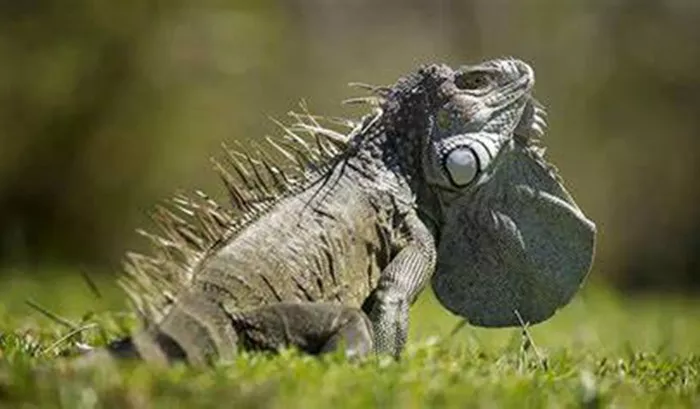
Iguanas are fascinating creatures that have intrigued reptile enthusiasts for centuries. Known for their calm and sometimes aloof demeanor, they can, however, exhibit fear under certain conditions. Understanding what iguanas are afraid of can help in their proper care, whether they are kept as pets or observed in the wild. In this article, we will explore the natural instincts and behaviors of iguanas, the common threats they face, and how their fear response plays a crucial role in their survival.
Introduction to Iguana Behavior
Iguanas are herbivorous reptiles that are native to the Americas, specifically found in Central and South America, as well as parts of the Caribbean. They are known for their distinctive long tails, spiny crests, and large bodies, which make them easily recognizable in the wild. Though they are not naturally aggressive, iguanas can become fearful or anxious when faced with perceived threats. Fear plays an essential role in the survival of all animals, including iguanas, as it triggers defensive behaviors that help them avoid harm.
For pet owners and those interested in iguanas’ natural history, it is important to understand what causes them to feel fear. In this article, we will delve into various factors that contribute to an iguana‘s fear, from environmental stressors to physical threats, and how they react in these situations.
What Triggers Fear in Iguanas?
Fear is an instinctual response to potential danger, and like many other animals, iguanas have specific triggers that cause them to react. Iguanas are generally wary of large, fast-moving animals, loud noises, and sudden changes in their environment. Their fear responses are often linked to their need for survival in the wild.
Predators and Natural Threats
One of the primary reasons for fear in iguanas is the presence of predators. In the wild, iguanas face threats from a variety of animals, such as large birds of prey, mammals, and even other reptiles. The most common predators of iguanas include:
Birds of prey: Hawks, eagles, and vultures are some of the most common aerial predators that iguanas must be wary of. Their sharp talons and ability to swoop down quickly make them a major threat to iguanas, especially in open environments.
Snakes: Certain species of snakes, such as boa constrictors, are known to prey on iguanas. These predators are capable of ambushing their prey and can strike swiftly.
Carnivorous mammals: Animals like raccoons, feral dogs, and wild cats may pose a threat to iguanas, particularly if they are young or weak.
To defend themselves, iguanas have several strategies, including fleeing to higher ground, camouflaging, and using their sharp claws and tails for defense.
Human Interaction and Fear
Iguanas, like many wild animals, can also be afraid of humans, especially if they have had negative experiences. Pet iguanas that are handled roughly or are exposed to a stressful environment may develop a heightened sense of fear. The following factors contribute to iguanas’ fear of humans:
Loud noises and sudden movements: Iguanas are sensitive to loud noises and fast movements, which can startle them. This can lead to panic, causing the iguana to retreat or hide.
Improper handling: Iguanas that are not accustomed to being handled may feel threatened by human touch, especially if they are grabbed too roughly or handled without the proper support. This may result in the iguana showing defensive behaviors, such as hissing or biting.
Enclosure conditions: Pet iguanas kept in small, poorly maintained enclosures may feel trapped or stressed, causing them to exhibit fearful behaviors. They need plenty of space, heat, and access to natural light to feel comfortable.
Other Environmental Stressors
Changes in the iguana’s environment can also trigger fear. Iguanas are territorial creatures, and any sudden changes in their surroundings can cause anxiety. These changes can include:
New animals in the vicinity: Iguanas are territorial and may view new pets or other animals as a threat. The presence of unfamiliar creatures, whether they are other reptiles, pets, or even unfamiliar humans, can cause iguanas to feel threatened.
Changes in temperature: Iguanas are cold-blooded reptiles, which means that their body temperature is regulated by external sources. If the temperature in their environment fluctuates too much or becomes too hot or cold, iguanas may become stressed, leading to fearful behavior.
Unfamiliar objects or environments: Iguanas rely heavily on familiarity to feel safe. Changes in their habitat, such as new furniture, unusual objects, or the introduction of unfamiliar scents, can create a sense of unease.
Signs of Fear in Iguanas
Iguanas are excellent at hiding their emotions, but they will show signs of fear when they feel threatened. Understanding these signs can help pet owners and researchers assess the emotional state of an iguana.
Defensive postures: When afraid, an iguana may adopt a defensive posture. This can include puffing up its body, standing on its hind legs, or tilting its head to appear larger. In extreme cases, iguanas may display open-mouthed hissing, which is a clear warning sign to stay away.
Retreating or hiding: If an iguana feels overwhelmed by fear, it will often seek out a hiding spot. Iguanas will retreat to a higher location or find a sheltered area to escape perceived threats.
Tail whipping: The iguana’s tail is one of its primary defensive weapons. When threatened, an iguana may use its tail as a whip to ward off predators or perceived dangers.
Freezing: In certain situations, iguanas may freeze in place, hoping that they will go unnoticed by a potential threat. This is a survival tactic commonly used by prey animals.
How to Minimize Fear in Pet Iguanas
For those who keep iguanas as pets, creating a stress-free environment is essential. Reducing fear in pet iguanas can help ensure they live healthy, happy lives. Here are some tips for minimizing fear in pet iguanas:
Provide a Proper Habitat
A well-maintained habitat is key to an iguana’s well-being. Ensure that the enclosure is large enough, with appropriate hiding spots, access to UV light, and a temperature gradient that mimics the iguana’s natural environment. Having a comfortable and safe environment reduces stress and fear.
Avoid Overhandling
While iguanas can become accustomed to human interaction, overhandling can lead to stress. It is important to respect the iguana’s space and allow it time to adjust to human presence. When handling, be gentle and supportive, never grabbing or pinching the iguana.
Introduce Changes Gradually
If you plan to make changes to your iguana’s environment, do so gradually. Sudden alterations can be startling and lead to fear responses. Introduce new objects, animals, or people slowly, and give the iguana time to adjust to the new situation.
Monitor Health and Temperature
Keep a close eye on your iguana’s health. Illness, parasites, or an imbalanced diet can cause anxiety and fear in iguanas. Additionally, ensure that the enclosure maintains the right temperature and humidity levels to promote comfort.
Conclusion: Understanding Iguanas’ Fearful Nature
Iguanas, like many other creatures, experience fear in response to potential threats. Understanding the factors that trigger fear in iguanas is crucial for their care, whether in the wild or as pets. By recognizing the signs of fear and implementing strategies to reduce stress, we can ensure that iguanas live in an environment that supports their physical and emotional well-being.
Their natural instincts, shaped by millions of years of evolution, allow iguanas to survive in the wild and evade predators. By respecting these instincts and providing them with a safe and secure habitat, we can enjoy the company of these remarkable reptiles without causing undue stress or fear.
Related topics: