
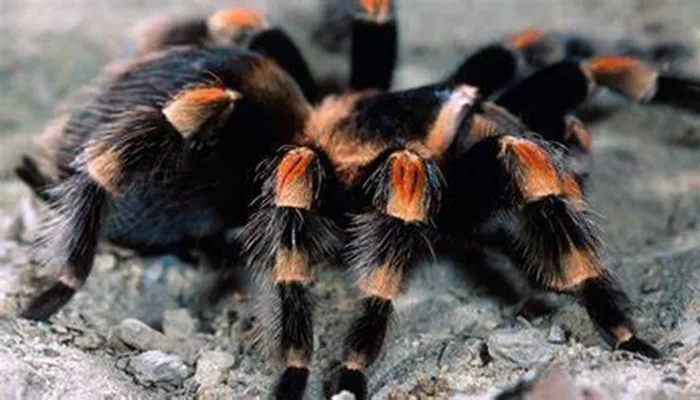
Tarantulas are fascinating animals. Their beauty, unique behaviors, and minimal care needs make them attractive to exotic pet keepers. Among them, the Mexican fire leg tarantula (scientific name: Brachypelma boehmei) stands out. It is a terrestrial species known for its striking appearance and calm nature. Many people are drawn to its vivid colors and want to know whether it’s a good choice for first-time tarantula keepers.
In this article, we will examine this question from a zoologist’s perspective. We will discuss the tarantula’s natural behavior, care requirements, potential risks, and how it compares with other species. Our goal is to help readers decide if the Mexican fire leg tarantula is the right pet for a beginner.
Understanding the Mexican Fire Leg
The Mexican fire leg tarantula is native to western Mexico, mainly found in the states of Guerrero and Michoacán. It lives in dry forests and scrublands where it hides in burrows or under rocks. The climate in its natural habitat is warm and dry most of the year. This background is important when setting up a suitable captive environment.
Fire legs are members of the Brachypelma genus, which includes several well-known pet species like the Mexican red knee (B. hamorii) and the Mexican red rump (B. vagans). These species are popular partly because of their manageable temperaments and impressive appearances.
The fire leg’s body is mostly black, while its legs have vivid orange-red coloring. This contrast is not only beautiful but also makes the species stand out in a terrarium. Its bright coloring also serves as a warning to predators in the wild.
Behavior and Temperament
One of the most important factors in choosing a tarantula for beginners is behavior. The Mexican fire leg is usually calm and predictable. It is not overly aggressive and does not usually bite unless it feels very threatened. However, like all tarantulas, it has defense mechanisms.
Urticating hairs are a key part of its defense. These are small, barbed hairs located on the abdomen. When disturbed, the tarantula may kick these hairs into the air. They can irritate the skin or eyes of potential predators—or human handlers. While they are not dangerous, they can be uncomfortable. Beginners should handle this species with care, or better yet, avoid handling altogether.
The fire leg is also a bit more nervous than some other Brachypelma species. It may retreat quickly into its burrow or hide when disturbed. In rare cases, it may kick hairs more frequently than its red-knee cousin. This does not mean it is a poor choice for beginners, but it does mean that caution and patience are necessary.
Housing Requirements
A properly set up enclosure is essential for the health and well-being of any tarantula. Fortunately, the fire leg’s needs are not hard to meet.
A single adult fire leg can live comfortably in a 10-15 gallon tank. The enclosure should have more floor space than height because this species is terrestrial. Tall enclosures may pose a fall risk. The spider could injure itself if it climbs and falls onto a hard surface.
Substrate depth is very important. At least 3 to 4 inches of coconut fiber, topsoil, or a mixture should be used. This allows the tarantula to dig, which is part of its natural behavior. The substrate should be slightly moist but never wet.
You should also include a hide—a small cave, cork bark, or half-log that allows the spider to feel secure. A shallow water dish should always be available and cleaned regularly. While fire legs don’t drink often, hydration is still important.
Temperature and humidity should mimic the natural environment. A daytime temperature of 75–80°F (24–27°C) is ideal. Humidity should be kept around 60–70%. Mist the enclosure lightly every few days to maintain this. However, good ventilation is crucial. A stuffy or wet enclosure can lead to mold or infections.
Feeding and Diet
Mexican fire leg tarantulas are opportunistic feeders. In the wild, they eat insects, small reptiles, and even tiny mammals if available. In captivity, a steady diet of crickets, mealworms, roaches, and other feeder insects is suitable.
Juveniles should be fed every 3–5 days. Adults can eat once a week. Avoid feeding prey that is too large—ideally, the insect should be no larger than the tarantula’s abdomen. Remove uneaten food after 24 hours to prevent stress or pest problems.
Overfeeding is a risk. It can cause obesity and shorten lifespan. Monitor your tarantula’s body shape and adjust the feeding schedule if needed. A plump abdomen is normal after a meal, but it should not stay bloated all the time.
Molting and Growth
Like all arachnids, tarantulas grow by molting. This is the process where they shed their old exoskeleton and form a new one. Molting is essential but also stressful and dangerous if conditions are not right.
Before a molt, the tarantula may stop eating, become sluggish, and hide more. The colors may also darken. During the molt, the tarantula lies on its back and slowly pulls itself out of the old skin. This process can take several hours.
Do not disturb or handle the tarantula during this time. Ensure humidity is adequate. Low humidity can lead to incomplete molts, which can be fatal. Once the molt is complete, give the spider several days to recover before feeding again.
Molting is also how missing legs or injuries can heal. A lost leg will regrow over successive molts. Juveniles molt more frequently than adults. Once mature, molts may happen only once every year or two.
Longevity and Commitment
One of the often-overlooked aspects of keeping tarantulas is their long lifespan. Female fire leg tarantulas can live up to 25 years in captivity. Males live much shorter—usually 5 to 7 years.
This long life means owning a tarantula is not a short-term decision. Beginners should be prepared to care for the animal for decades, especially if they adopt a young female.
Despite the commitment, the care routine remains simple and repetitive over the years. Once a proper enclosure is set up, maintenance is low. Tarantulas do not require daily interaction or frequent feeding, making them ideal for people with busy schedules—as long as they are responsible.
Handling and Safety
One of the most common questions from beginners is whether they can hold their tarantula. The answer is yes, but it is not recommended, especially for beginners.
While fire legs are not aggressive, they are fragile. A short fall from your hand can result in a fatal injury. Tarantulas also find handling stressful. They may flick hairs or even bite if they feel threatened.
A bite from a Mexican fire leg is not deadly. The venom is mild and comparable to a bee sting. However, reactions vary between individuals. Some people may have allergic responses, and the bite itself is painful.
Instead of handling, it’s better to observe the tarantula in its enclosure. Watching feeding, burrowing, and cleaning behaviors can be just as rewarding. For most owners, the visual appeal and low maintenance are enough.
Health Issues and Veterinary Needs
Tarantulas are generally healthy animals, but issues can arise from poor husbandry. The most common problems include:
Dehydration: Caused by a lack of water or low humidity.
Mold or mites: Results from a wet or dirty enclosure.
Injury from falls: Happens in enclosures that are
Incomplete molts: Often caused by low humidity.
Regular enclosure checks, proper cleaning, and providing correct conditions can prevent most of these problems.
Veterinary care for tarantulas is limited, and not all vets treat invertebrates. Prevention is the best strategy. Some exotic vets can help if needed, but success rates vary.
Legal and Ethical Considerations
The Mexican fire leg tarantula is listed in CITES Appendix II, which means its trade is regulated. Captive-bred individuals are legal in many countries, but wild collection is limited to protect the species. Always purchase from reputable breeders who offer captive-bred animals.
Buying captive-bred ensures you are not supporting illegal trade and helps protect wild populations. It also increases your chances of getting a healthy, well-started spider.
Also consider your local laws. Some cities or states may have restrictions on exotic pets. Always check before purchasing.
Comparison with Other Beginner Species
When comparing the fire leg to other beginner tarantulas, we must look at temperament, care needs, and durability.
Mexican Red Knee (Brachypelma hamorii): More docile and
Chilean Rose Hair (Grammostola rosea): Very hardy, but often unpredictable in mood.
Curly Hair Tarantula (Tliltocatl albopilosus): Extremely hardy, fast-growing, and inexpensive. A strong beginner pick.
The fire leg is somewhere in the middle. It is not the calmest, but it is not aggressive either. Its beauty and manageable care make it an excellent choice for beginners who are willing to learn.
Final Thoughts: Is It a Good Beginner Tarantula?
The Mexican fire leg tarantula is a very good choice for beginners, especially those who value appearance and are committed to learning proper care. It requires a bit more caution than the calmest species, but with responsible ownership, it thrives in captivity.
If you can meet its needs—proper enclosure, humidity, food, and respect for its space—this tarantula will reward you with a long, healthy life and endless fascination. Avoid frequent handling, invest in a quality enclosure, and buy from a trusted source. With these steps, the Mexican fire leg can be a beginner’s perfect introduction to the world of tarantulas.
Related topics: