
Reptile pets have seen a surge in popularity in recent years, and for good reason. They offer fascinating behaviors, vibrant colors, and low-maintenance care. But with any pet, proper care is essential for a healthy, thriving animal. When it comes to amphibians like the tomato frog, understanding their space needs is crucial for their well-being. Have you ever wondered how much space a tomato frog truly requires in captivity? This question often leads new owners into a world of confusion. After all, frogs aren’t the first animals you think of when it comes to needing large spaces. Let’s dive in and figure out how much space your tomato frog really needs to live a happy and healthy life.
What is a Tomato Frog?
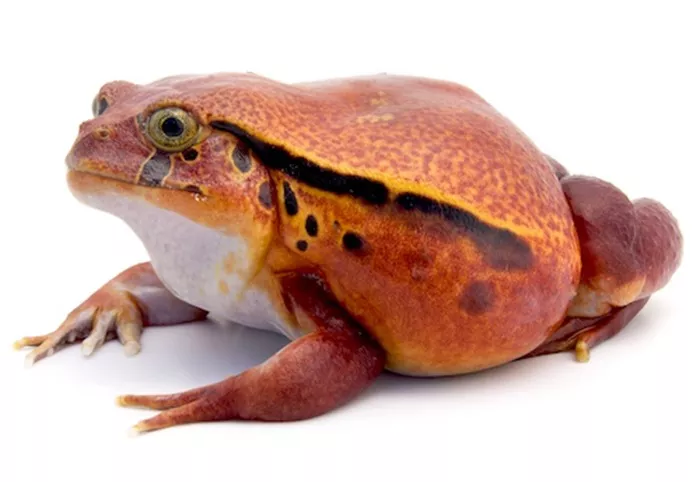
Before we jump into the space requirements of a tomato frog, let’s take a moment to understand what makes these amphibians so unique. Native to Madagascar, tomato frogs (Dyscophus antongilii) are famous for their bright red-orange skin, resembling a ripe tomato. They use this vibrant color as both a defense mechanism and a way to blend into their surroundings. Tomato frogs can also puff up their bodies when threatened to appear larger and more intimidating. As nocturnal creatures, they are most active at night, hunting for insects like crickets and beetles. However, despite their small size, they require space to explore and thrive—just like any other pet.
Why Space Matters for Your Tomato Frog
Frogs may be small, but they are still active creatures that need room to move around, explore, and engage in natural behaviors. Having the right amount of space in their enclosure is essential for their physical and mental well-being. The size of the habitat directly influences their ability to thrive in captivity.
But how much space does a tomato frog really need? The answer varies based on several factors, but generally, a minimum of 10 gallons is recommended for one adult tomato frog. Let’s break down why this amount of space is necessary and how to ensure your frog’s enclosure meets their needs.
Ideal Tank Size for Tomato Frogs
The 10-Gallon Rule
For a single adult tomato frog, a 10-gallon aquarium is usually the minimum recommended size. This is a good starting point for an individual frog, as it provides enough room for the frog to move, explore, and find places to hide. However, larger enclosures are always better if space permits.
For one tomato frog: A 10-gallon tank is ideal.
For multiple frogs: If you plan to house more than one tomato frog, you’ll need a larger tank, ideally 20 gallons or more, to prevent overcrowding. Overcrowding can lead to stress, territorial behavior, and even cannibalism.
It’s important to keep in mind that while tomato frogs don’t need vertical space to climb like chameleons, they do need horizontal space for moving, digging, and resting. A wider, longer tank is preferable over a taller tank for these amphibians.
See Also: Why Do Tomato Frogs Puff Up? Explained
Why Bigger is Better
While a 10-gallon tank is sufficient for one frog, providing a larger tank—such as a 20-gallon aquarium—is always a better choice if space allows. A larger tank gives your tomato frog more room to engage in natural behaviors, like digging and hiding, which are essential for their mental and physical health. Larger enclosures also make it easier to maintain ideal humidity and temperature levels, which is crucial for tomato frogs.
Adding Enrichment
If you’re setting up a tank for your tomato frog, it’s important to provide enrichment through hiding spots, natural substrates, and plants. This can help mimic their natural habitat and give them additional space to explore. Think of it as designing a small, frog-friendly world inside the tank. You can use materials like cork bark, rocks, and plants (live or artificial) to give your frog places to hide, rest, and explore.
Quick Tip: When setting up your tank, make sure it has a shallow water dish for hydration and skin moisture, as tomato frogs need constant access to clean water.
Space Considerations for Baby Tomato Frogs
Baby tomato frogs, or froglets, are much smaller than adults, so they don’t need as much space at first. You can house them in a 5-gallon tank until they grow, but as they mature, they’ll quickly outgrow it and will need a larger space.
When moving your froglet to a bigger tank, keep in mind that the basic care requirements remain the same. Ensure the tank is equipped with a humidity source, such as a humidifier or misting system, and provide a suitable substrate for burrowing.
Quick Tip: A larger enclosure as your frog grows not only allows for more space but also provides a healthier environment by reducing the concentration of waste and allowing better air circulation.
Providing Proper Habitat for Your Tomato Frog
In addition to space, the habitat setup is crucial for your tomato frog’s well-being. Here’s a basic guide to creating the best environment for your pet frog:
Substrate: Use a soft, moisture-retaining substrate, such as coconut fiber or sphagnum moss. This will help maintain humidity and provide an environment for burrowing.
Humidity: Maintain humidity levels between 65% and 80% for your tomato frog. This is essential for proper hydration and skin health.
Temperature: The ideal temperature range for tomato frogs is between 65°F and 85°F (18°C–29°C). Ensure the tank is not too hot or too cold.
Hiding Spots: Tomato frogs love to hide. Use cork bark, rocks, and small hollow logs to provide hiding spots. This mimics the natural rainforest environment where they feel most comfortable.
Common Mistakes in Space Management
Many new owners underestimate the space needs of their tomato frog. Overcrowding can cause stress, poor health, and unwanted behaviors like territorial disputes or cannibalism. Make sure your frog has enough room to move, dig, and rest without feeling cramped.
Common Mistakes to Avoid:
Underestimating Tank Size: A 10-gallon tank is often too small for multiple frogs or for a frog that needs room to roam.
Not Providing Hiding Spots: Frogs, especially nocturnal ones like the tomato frog, feel safest when they can retreat to a dark, quiet space.
Overcrowding: Too many frogs in a small space can lead to stress, aggression, and even health problems.
Conclusion
In summary, the minimum tank size for a tomato frog is 10 gallons, but larger tanks—such as 20 gallons—are always better. Providing ample space allows your frog to move freely, hide, and engage in natural behaviors, which are essential for their health and well-being. Ensure that the tank has proper humidity and substrate to mimic their natural environment. With the right space and care, your tomato frog can live a long, healthy life.
Related topics: