
Reptile pets have grown in popularity, and for good reason. They’re often low-maintenance, intriguing to observe, and surprisingly unique. Have you ever wondered why reptiles, like chameleons, seem to thrive in humid environments? Or why snakes become more active at night? These questions highlight the fascinating world of reptiles and amphibians. One such curious creature is the tomato frog. Known for its vibrant, tomato-like appearance, the tomato frog is a popular pet among reptile enthusiasts. But, do tomato frogs need water? It’s a question that often confuses new pet owners. Let’s dive in and explore this important aspect of their care.
What is a Tomato Frog?
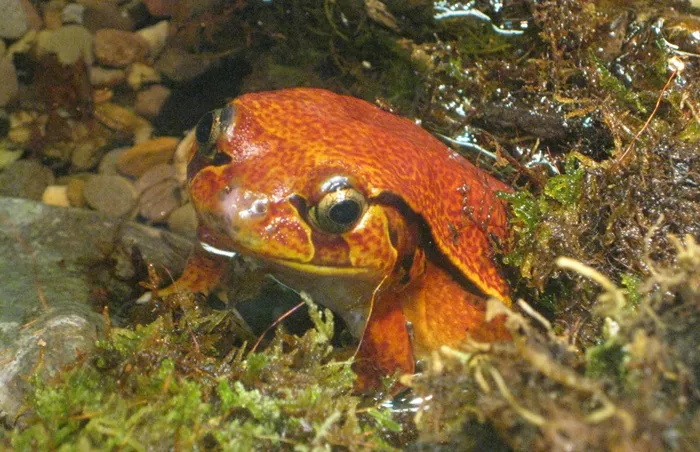
Before we answer whether tomato frogs need water, let’s quickly familiarize ourselves with these colorful amphibians. Native to Madagascar, tomato frogs (Dyscophus antongilii) are easily identifiable by their brilliant red-orange skin, which provides them with both a warning signal for predators and camouflage in their natural habitat. These frogs are nocturnal, meaning they are most active at night when they hunt for insects. Their defense mechanism is equally unique—when threatened, they inflate their bodies to appear larger, a technique that makes them seem unappetizing to predators.
Tomato frogs are also notable for secreting a sticky, toxic substance from their skin. While this is primarily for defense, it can also affect their behavior and interaction with water, which we will get into later.
Do Tomato Frogs Need Water? The Basics of Amphibian Hydration
Like all amphibians, tomato frogs do require water, but perhaps not in the way that many might assume. While some reptiles, such as snakes or iguanas, are more terrestrial and may only need water for hydration or occasional baths, amphibians like tomato frogs are much more dependent on water in their daily lives.
Hydration Through Skin Absorption
Tomato frogs, like other amphibians, have permeable skin, which means they can absorb water directly through their skin. This allows them to stay hydrated even if they are not actively drinking water. However, this also means their skin can absorb contaminants, which is why it’s important to provide clean, chemical-free water in their environment. Unlike many reptiles, tomato frogs do not have a specialized structure like a bladder for storing water, so maintaining a moist environment is essential for their overall well-being.
Quick Tip: If you’re thinking of getting a tomato frog, a shallow water dish is essential. It allows them to soak and keep their skin hydrated without the risk of drowning.
Water Requirements for Tomato Frogs
Humidity is Key
While tomato frogs don’t need to be submerged in water all the time, they do thrive in high-humidity environments, typically between 65% to 80%. This is crucial for their health because it prevents their skin from drying out, which could lead to health complications like dehydration. In their natural Madagascar habitat, tomato frogs live in tropical rainforests with slow-moving water such as ponds, streams, and marshes, making humidity levels relatively high year-round.
To maintain proper humidity in your pet’s enclosure, consider using a misting system or humidity gauge. Regular misting also helps mimic the natural rainfall that occurs in the wild, ensuring your tomato frog has the ideal conditions for hydration.
Water Dishes
Tomato frogs need a shallow water dish in their enclosure where they can soak. This allows them to regulate their moisture levels and provides a suitable environment for them to absorb water through their skin. However, they are not strong swimmers, so the dish should be shallow enough for them to enter and exit easily without the risk of drowning. Also, the water should be dechlorinated since chemicals like chlorine can be harmful to your frog’s delicate skin.
Quick Tip: Avoid deep water dishes or water bowls that might make your tomato frog feel trapped. A shallow, wide container is ideal.
See Also: Is Your Tomato Frog Sick or Dead? Here’s How to Tell
Why Clean Water is So Important
Tomato frogs are sensitive to water quality, and dirty or contaminated water can cause skin infections or other health problems. It’s important to change the water regularly and ensure it’s free of chlorine, heavy metals, or any harmful chemicals that could be absorbed by your frog.
Dechlorinated Water: Always use dechlorinated water for your tomato frog. Chlorine and other chemicals found in tap water can irritate their skin and lead to health problems.
Water Quality: Use filtered water or water that has been allowed to sit for 24 hours to dissipate chlorine.
Maintaining clean water is not only essential for their skin health but also crucial for gut health. Since tomato frogs absorb water through their skin, it’s a direct pathway for hydration as well as toxins if the water quality isn’t properly managed.
Creating the Ideal Habitat for Your Tomato Frog
If you’re planning to keep a tomato frog as a pet, it’s essential to create an environment that mimics its natural habitat. This includes ensuring there is a suitable source of water. Here’s how you can do that:
Shallow Water Dish: Place a shallow, wide dish in the tank for your frog to soak in. Clean it regularly.
Misting: To maintain the proper humidity, mist the tank once or twice a day. Ensure it’s not overly saturated but sufficiently moist.
Humidity Control: Use a humidity gauge to monitor the moisture level. Too low or too high can affect your frog’s skin and overall health.
Naturalistic Setup: Add some live or artificial plants to help maintain humidity and give your frog places to hide. Tomato frogs prefer hiding in moist, shaded areas.
The Link Between Water and Skin Health
Tomato frogs rely heavily on their skin for hydration and defense. Since they are amphibians, their skin is a critical organ for absorbing moisture from their environment. Without the right amount of water in their habitat, they can develop dry, cracked skin, which could lead to infections or even death in severe cases.
One common mistake new reptile owners make is not providing enough moisture. If your tomato frog’s skin becomes too dry, it could stop absorbing water effectively, leading to dehydration. This makes water a crucial aspect of their care, not just for drinking but also for maintaining their vital hydration through their skin.
Summary: Tomato frogs need water not just to drink but to maintain proper skin hydration. This makes a shallow water dish and a high-humidity environment essential for their care.
Related topics: