
Imagine this: you’re checking on your tomato frog, and something doesn’t seem quite right. It’s not moving as usual, and you’re starting to wonder, “Is my tomato frog dead?” You’re not alone in this concern – many reptile and amphibian owners have been there before.
Tomato frogs are beautiful and resilient creatures, but like all animals, they have specific needs that must be met. When these needs aren’t met, it can sometimes be hard to figure out whether something’s wrong or if your frog is just being… well, a frog. But don’t panic just yet!
This article will guide you step by step through the signs that may indicate your tomato frog is dead – and how to spot the difference between a sick frog, a stressed-out frog, or a dead one. You’ll also learn about the things you should check on to keep your frog healthy and thriving.
Let’s dive right in and get to the heart of the matter.
Understanding Tomato Frogs: What Makes Them Tick?
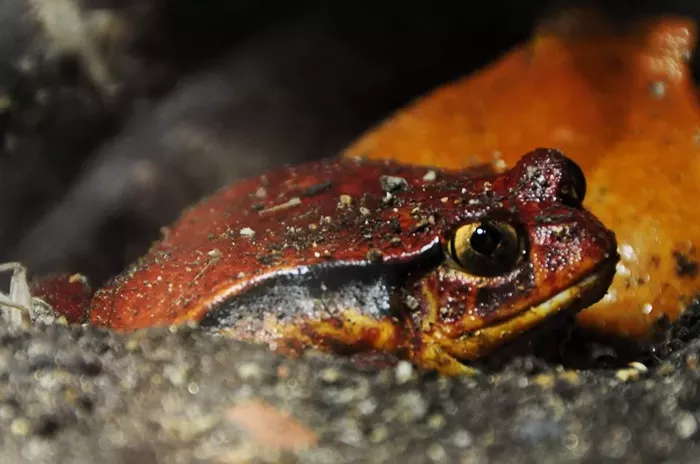
Before jumping to conclusions, let’s take a quick look at the fascinating world of tomato frogs. These creatures, scientifically known as Dyscophus antongilii, come from the rainforests of Madagascar. Their distinctive red-orange skin, which looks like a ripe tomato, makes them easy to identify. But it’s not just their color that makes them special; they also have a unique way of defending themselves from predators.
When threatened, these frogs can puff up their bodies to make themselves appear larger. They also secrete a sticky, toxic substance from their skin as a warning to would-be predators. This behavior, along with their striking appearance, makes them one of the more interesting amphibians to keep as pets.
However, like all pets, they require proper care to stay healthy. Let’s explore some of the common issues that may arise and how you can spot them.
Common Reasons for Tomato Frog Health Issues
1. Poor Habitat Conditions: Temperature and Humidity Matter
If your tomato frog is sluggish or seemingly lifeless, the first thing you should check is its environment. These frogs hail from humid rainforests, so they thrive in warm and moist conditions. Just like how a plant wilts when not watered enough, your frog can become stressed when it’s exposed to incorrect temperature or humidity levels.
Temperature: Tomato frogs like their environment to be between 65°F and 85°F (18°C – 29°C). Anything outside of this range – whether too hot or too cold – could cause your frog to become lethargic or even sick. Imagine if you were put in a freezer for hours – you’d freeze up too, right? That’s what happens to your frog when the temperature drops too low.
Humidity: These frogs also need a high level of humidity – around 65-80%. Too dry, and their skin could dry out, leading to dehydration and stress. Too moist, and mold could start to form in their habitat, which can cause health problems. A balance is key here.
If you haven’t been paying close attention to the temperature or humidity lately, it’s worth checking now. You can use a thermometer and a hygrometer to monitor the conditions in their tank. Don’t forget, a simple misting of the tank every day helps maintain the moisture levels.
2. Signs of Stress and Illness: How to Spot the Difference
A tomato frog that’s not moving or appears to be lifeless may be stressed, sick, or even injured – but not necessarily dead.
Stress Signs: When stressed, a tomato frog may become unresponsive, stay buried in the substrate, or even secrete extra mucous. Stress can come from a variety of things, including improper handling, being housed with other frogs (since they can be territorial), or having insufficient hiding spots. Too much noise or frequent disturbances might stress your frog out too.
Illness Symptoms: If your tomato frog is sick, you might notice it having difficulty breathing, swollen limbs, or abnormal discharges (like cloudy eyes or mouth secretions). These are usually signs of a fungal or bacterial infection, which can be treated if caught early. Think of it like a cold for your frog – it can make them feel weak and sluggish, but it’s treatable with proper care.
See Also: What Makes Tomato Frogs So Important for Biodiversity?
3. The Final Check: Is Your Tomato Frog Dead?
So, how can you tell if your tomato frog has passed away? Here are a few things to check:
Appearance: A dead tomato frog will have a very limp body and may appear sunken or deflated. It’s also likely to have a pale or discolored skin tone, instead of the usual bright red and orange.
Body Temperature: If your frog feels cold to the touch and doesn’t respond to your finger gently poking it, there’s a good chance it’s passed away. This is similar to how a person might feel cold after they’ve passed on.
Smell: If you detect a foul odor, that’s a big red flag. While frogs don’t smell great in general, a dead frog will start to decompose, causing a strong, unpleasant odor. It’s not something you’d want in your home, for sure!
Check for Movement: Gently touch the frog’s limbs to see if they respond. Healthy frogs might twitch or move slightly, but a dead frog will remain completely still.
What Should You Do If You Think Your Tomato Frog Is Dead?
If after checking, you believe your tomato frog has passed away, it’s time to take action. Here’s what you can do:
Dispose of the Frog Properly: You’ll want to bury it in your yard or place it in a sealed bag to throw away. Do not flush it down the toilet, as this could cause harm to the plumbing or local wildlife.
Sanitize the Tank: If your frog has died due to illness or contamination, clean and sanitize the tank thoroughly. This includes washing all accessories, replacing the substrate, and disinfecting the walls and floor of the tank.
Evaluate Your Care Routine: Reflect on whether you could improve any aspects of your care routine – temperature, humidity, diet, etc. This way, you can prevent future health issues with your frogs.
Preventing Future Health Problems: Keep Your Tomato Frog Thriving
1. Regular Tank Maintenance
Clean your frog’s tank at least once a week, ensuring that the substrate remains dry and free from mold. Wipe down the walls, clean the water dishes, and change the water frequently.
2. Proper Diet and Supplements
Tomato frogs thrive on a diet of insects, such as crickets, waxworms, and mealworms. Don’t forget to dust their food with calcium and vitamin D3 to support their bone health.
3. Temperature and Humidity Control
Make sure your frog’s environment stays within the proper range, using a space heater or UVB light if needed to maintain the right conditions.
Conclusion
It’s important to stay calm and evaluate the situation logically. While it’s natural to be concerned if your tomato frog is acting strangely, remember that the signs of stress, illness, and even death are distinct. By carefully checking its habitat, behavior, and physical condition, you’ll be able to determine whether it’s time to say goodbye or if your frog just needs some TLC.
Related topics: