
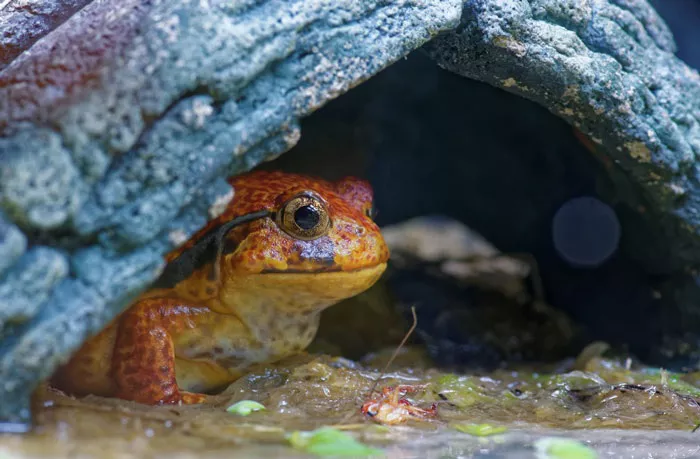
Buying a pet can be exciting. Buying a tomato frog? That’s next-level awesome. These bright orange-red amphibians, looking almost like little glowing pumpkins, have fascinated reptile keepers for decades. But here’s the million-dollar question that may have brought you here: Where can you actually buy a tomato frog, and how do you make sure you’re getting a healthy one?
This isn’t just a casual question—it’s important for the frog’s well-being and your own success as a keeper. Many first-time reptile owners assume they can just “grab one online” the same way they might buy a gadget on Amazon. But living creatures aren’t gadgets. They need special care from the moment they leave the breeder or seller.
If you’ve been dreaming about adding this vibrant amphibian to your collection—or maybe this is your very first exotic pet—you’re in the right place. We’ll explore where you can buy tomato frogs, what to look for in a seller, how much you might spend, and why the source matters as much as the frog itself.
What Exactly Is a Tomato Frog, and Why Are People Buying Them?
Before we even shop, let’s quickly get to know this fascinating frog.
The tomato frog (Dyscophus antongilii) is native to Madagascar. When fully grown, it looks like a squishy red-orange ball of fire. When threatened, it inflates like a balloon—kind of like how you might puff out your chest to look bigger when someone startles you. It also secretes a sticky white substance from its skin to deter predators.
This species has three big selling points that make them popular:
They’re visually stunning. That bold orange-red color is like nothing else in the pet frog world.
They’re hardy. Compared to more fragile amphibians, tomato frogs adapt well in captivity if cared for properly.
They’re relatively low-maintenance. You don’t need a rainforest-sized terrarium to keep one happy.
Because of these traits, tomato frogs are in demand, but that popularity also means there’s a flood of sources—some good, some sketchy.
Think of buying a tomato frog like buying fresh produce: you wouldn’t grab the bruised tomato at the bottom of the pile. The source matters.
Where Can You Actually Buy a Tomato Frog?
This is the heart of the matter. There are five main ways you can buy a tomato frog:
Reptile and Exotic Pet Stores
Online Reptile Retailers
Reptile Expos and Shows
Private Breeders
Rescues and Adoption Groups
Each option has its own pros and cons—kind of like comparing a farmers market to a supermarket. Let’s go step by step.
1. Reptile and Exotic Pet Stores
If you’re lucky enough to have a specialty reptile store in your city, this is often the most straightforward option.
Think of it like visiting a bakery—you can actually see, smell, and even “get a feel” for the product before you commit.
What’s good about this option?
You can see the frog in person. You’ll know if it’s healthy, active, and alert.
You can ask questions on the spot. Many store owners are enthusiasts themselves.
Instant gratification. You walk in, you buy your frog, you go home with it.
What’s not so great?
Selection might be limited. Tomato frogs aren’t as common as leopard geckos or ball pythons. Some stores may not stock them year-round.
Higher prices. Brick-and-mortar stores have overhead costs—they pay rent and staff, so you might pay a premium.
💡 Tip: Call ahead before you visit. Ask if they have “captive-bred tomato frogs” in stock. That phrase—captive-bred—is gold. It means the frog was bred in captivity instead of being caught from the wild. Captive-bred frogs are healthier, less stressed, and legal to own without the murky ethics of wild capture.
2. Online Reptile Retailers
In today’s world, you can buy almost anything online—and yes, that includes tomato frogs.
There are reputable online sellers like Josh’s Frogs, Underground Reptiles, and LLL Reptile. These are not shady sellers—they are established businesses that specialize in reptiles and amphibians.
Pros of buying online:
Huge selection. You might find not just tomato frogs but related species like Dyscophus guineti.
Nationwide access. Even if you live in a small town, you can get your dream frog shipped to your door.
Captive-bred focus. Many good online sellers breed their own stock.
Cons to watch out for:
Shipping stress. Frogs don’t love overnight boxes (would you?). Responsible sellers use insulated packaging and heat packs when needed, but shipping is still stressful.
No “hands-on” preview. You can’t pick your exact frog—what you see in the listing might not be the frog you receive.
📦 How do they ship safely?
Good sellers use overnight express services, temperature control, and “Live Animal” labeling. Think of it like express mailing a cake—you pack it carefully so it arrives intact. If the weather is extreme, they may delay shipping for the frog’s safety.
3. Reptile Expos and Shows
If you’ve never been to a reptile expo, imagine a farmer’s market—except instead of tomatoes, you see tarantulas, geckos, and yes, tomato frogs.
Reptile expos are events where breeders, retailers, and enthusiasts gather to sell and showcase animals. Big expos like Repticon or NARBC (North American Reptile Breeders Conference) often have tomato frogs.
Why reptile expos are awesome:
Meet breeders face-to-face. You can ask about the frog’s age, diet, and origin.
Better pricing. No store markup—you’re often buying directly from the source.
Networking. You’ll meet other frog lovers, which is priceless if you’re new.
Things to consider:
Impulse buys. It’s easy to get swept up in the “candy store” feeling.
Crowds. Expos can be busy, and handling can stress animals.
🎟️ Tip for expos: Bring cash (many vendors prefer it) and a small insulated container if you’re bringing home a frog. Vendors will usually provide a deli cup with air holes, but keeping the frog temperature-stable on the trip home is your job.
4. Private Breeders
Some of the healthiest tomato frogs come from small-scale breeders. These are passionate individuals who might raise just a few clutches a year.
Think of a private breeder like a craft baker—they put care into every “batch.”
Benefits of buying from a breeder:
You know the frog’s history. You can ask when it hatched, what it’s been eating, and whether it’s ever had health issues.
Ethical sourcing. Most breeders work exclusively with captive-bred stock.
Personal support. Many breeders stay in touch and answer questions after the sale.
Challenges:
Finding them. Breeders don’t always advertise widely. You might have to dig into Facebook groups, reptile forums, or local herpetological societies.
Limited supply. Tomato frogs don’t breed like rabbits. When a breeder sells out, you may wait months for the next batch.
💡 How to spot a good breeder: They provide photos of their frogs, they answer questions patiently, and they don’t rush you into buying. A shady seller will pressure you. A good breeder will care that you’re ready for the responsibility.
5. Rescues and Adoption Groups
Yes—you can adopt a tomato frog instead of buying one.
Amphibian rescues exist, though they’re rarer than dog or cat shelters. Sometimes a frog ends up in rescue because its owner moved, lost interest, or didn’t know how to care for it.
Upsides to adoption:
You give a frog a second chance. That’s a feel-good factor.
Lower cost. Adoption fees are often cheaper than retail prices.
Supportive community. Rescues often teach you how to care for your new pet.
Things to be mindful of:
Health unknowns. Rescue frogs may have been neglected or exposed to poor conditions.
Limited availability. You can’t just “order” one—adoptions depend on what frogs need homes.
How Much Does a Tomato Frog Cost?
Tomato frogs aren’t wildly expensive compared to some reptiles, but prices vary.
Pet store price: $40–$80
Online retailer: $30–$60 plus shipping
Breeder price: $50–$100 depending on age and color quality
Rescue adoption: $10–$40
🌟 Pro Tip: Bigger, older females often cost more. Why? They’re more colorful and sometimes sought after for breeding projects.
Remember: The frog isn’t your only expense. You’ll also need a terrarium, substrate, water treatment, and food. Think of it like buying a fish—the tank costs more than the fish itself.
See Also: How Long Can a Tomato Frog Really Live?
How to Choose a Healthy Tomato Frog
No matter where you buy, the goal is the same: a healthy, thriving frog.
Here’s what to look for:
✅ Bright color. A healthy frog should look vibrant, not dull or patchy.
✅ Clear eyes. No cloudiness or discharge.
✅ Plump but not bloated. Think “soft marshmallow,” not “inflated balloon.”
✅ Alertness. When you approach, the frog should react—maybe even hop.
✅ Smooth skin. A little shedding is normal, but open sores are a red flag.
🚩 Red flags when buying:
- The frog is lethargic and doesn’t move even when nudged.
- It’s extremely skinny or overly bloated.
- The enclosure at the seller’s location is dirty or overcrowded.
Captive-Bred vs. Wild-Caught: Why It Matters
This is critical. Tomato frogs are native to Madagascar. Decades ago, many were taken directly from the wild for the pet trade. That caused population declines and stressed the species.
Today, most reputable sellers deal in captive-bred frogs—frogs born in captivity, not taken from the wild.
Why captive-bred is better:
- Healthier and less likely to carry parasites.
- Better adjusted to living in a terrarium.
- Doesn’t harm wild populations.
When you shop, always ask: “Is this frog captive-bred?” A responsible seller will know.
Preparing for Your Tomato Frog Before You Buy
Here’s something many first-time owners get wrong: they buy the frog first, then scramble to set up the tank.
That’s like bringing home a puppy without a bed, leash, or food bowl.
Before you even click “buy” or hand over cash, have these ready:
- A 10–20 gallon terrarium with a secure lid.
- Substrate (like coconut fiber) that’s at least two inches deep for digging.
- A shallow water dish with dechlorinated water.
- Plants and hiding spots. Real or fake, doesn’t matter—just give them cover.
- A thermometer and hygrometer to monitor temperature and humidity.
When your frog arrives, you’ll be ready—not scrambling.
What Happens After You Buy a Tomato Frog
Buying is just the start. Here’s what to expect:
Shipping arrival: If ordered online, open the package in a quiet room. Place the frog gently in its new terrarium.
Acclimation period: Don’t handle it much for the first week. Let it adjust.
Feeding: Start with small crickets or worms. Many sellers will tell you what the frog has been eating.
💬 Real keeper story: One hobbyist shared that their new tomato frog wouldn’t eat for the first three days. They panicked. Then on day four, the frog gobbled five crickets in a row. Moral: patience is key.
Conclusion
Buying a tomato frog isn’t just about where you find one—it’s about making smart choices at every step.
Choose a reputable source. Whether that’s an online retailer, breeder, or expo, the seller matters.
Look for captive-bred. That’s healthier for the frog and for the species.
Prepare before you buy. Have the setup ready and understand basic care.
If you follow these steps, you’ll not only find your dream tomato frog—you’ll set it up for a long, healthy, colorful life.
Related topics: