
Have you ever come home to find your beloved tomato frog lifeless and wondered, “Why did my tomato frog die?” It’s heartbreaking, frustrating, and confusing. These bright, chubby amphibians are awesome pets — their tomato-like colors and unique behavior can quickly make you fall in love. Yet, despite your care, sometimes things go wrong. In this article, I will help you understand the main reasons why your tomato frog may have died, and more importantly, how to prevent these problems in the future.
Whether you are a beginner or have some experience with reptiles and amphibians, this guide breaks down the causes of tomato frog deaths in easy language. Think of your tomato frog as a delicate rainforest guest — it needs the right “room temperature,” clean water, balanced food, and a stress-free home to thrive. Let’s uncover these secrets together!
What Is a Tomato Frog and Why Is It Special?
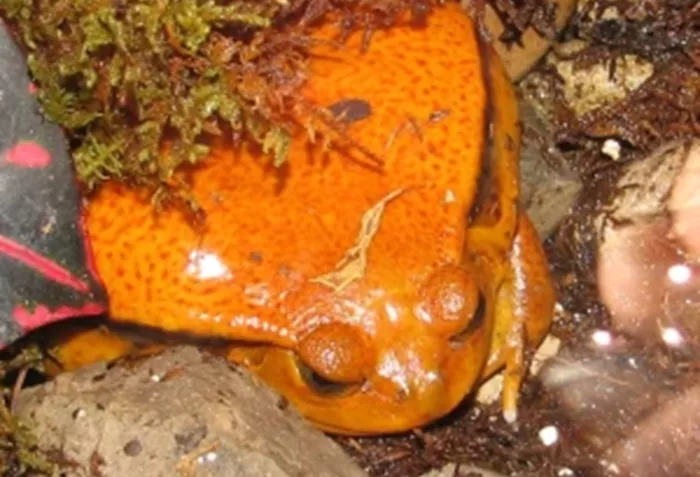
Before diving into why your tomato frog died, let’s quickly understand what makes this species special. Tomato frogs (Dyscophus antongilii) are native to Madagascar. They are famous for their bright red-orange skin — much like a ripe tomato! This colorful skin can puff up when threatened, making them look bigger and harder for predators like snakes to swallow.
Tomato frogs are amphibians, meaning they live both on land and near water. They love to dig burrows in soft soil and hide under leaves, mostly coming out at night to hunt insects. Their skin is sensitive, and they secrete a sticky substance that can irritate predators (and your skin if you touch them).
Understanding their natural habits helps you realize why replicating their environment at home is crucial — it’s like trying to recreate a tiny slice of the rainforest.
Common Causes Why Your Tomato Frog Died
If your tomato frog has passed away, it usually points to one or several key problems in their care. Let’s go through the main reasons with simple explanations and tips.
1. Poor Habitat Conditions
Think about how you feel when your room is too cold, too hot, or dirty. You get uncomfortable quickly, right? Tomato frogs are no different.
Temperature Issues
Tomato frogs prefer temperatures between 65°F and 85°F (18°C to 29°C). If it’s colder, they slow down and can’t digest food well — imagine trying to eat when you’re freezing! If it’s too hot, they can suffer heat stress and die.
You may need a small heating pad or a light bulb to keep their enclosure cozy. Always check with a thermometer.
Humidity Problems
These frogs need 65% to 80% humidity, like a tropical rainforest. If the air is too dry, their skin dries out, which can lead to infections or death. Mist their enclosure daily and use a humidity gauge to monitor.
Unsuitable Substrate
Tomato frogs love to dig. If the soil or bedding is too hard or contains chemicals (like pesticides), it can injure them or stress them out. Use soft, pesticide-free soil or coconut fiber at least 2 inches deep.
Water Quality
They are amphibians, so clean water is essential. Dirty or chlorinated water can be poisonous since their skin absorbs toxins directly, like a sponge. Always provide clean, dechlorinated water and change it regularly.
2. Stress and Handling Mistakes
Have you ever felt stressed when someone pokes or touches you too much? Tomato frogs feel the same — they don’t like to be handled frequently. Too much touching can cause them to secrete a white sticky substance, signaling stress.
Also, your hands carry oils, soap residues, or lotions harmful to their sensitive skin. Always use gloves when handling your frog or better yet, minimize handling altogether.
Stress weakens their immune system, making them vulnerable to illnesses.
3. Improper Diet
A tomato frog’s favorite foods are live insects like crickets, worms, and small beetles. Imagine if you were fed only one type of food or unhealthy snacks — you wouldn’t feel good either.
Feeding them only one kind of insect or poor-quality food can lead to malnutrition, vitamin deficiencies, or obesity.
Many keepers dust insects with calcium and vitamin supplements to keep frogs healthy and avoid bone diseases.
4. Diseases and Infections
One silent killer of tomato frogs is a fungal disease called chytridiomycosis (often shortened to “chytrid”). This disease is caused by a fungus that attacks the skin, preventing the frog from breathing properly.
It spreads easily in damp, crowded, or dirty conditions. Infected frogs may become lethargic, lose appetite, or have abnormal skin.
Other issues include bacterial infections and parasites, especially if hygiene is poor or food isn’t fresh.
See Also: Where Can You Buy a Tomato Frog Today? Precautions
5. Poor Breeding and Genetic Factors
If you got your tomato frog from a breeder, sometimes poor genetics or inbreeding can cause health problems leading to early death.
Wild-caught frogs might carry parasites or diseases unknown to new owners.
For beginners, it’s safer to buy captive-bred frogs from reputable sources to reduce risks.
Real-Life Stories From Frog Keepers
One frog keeper named Sarah shared, “I lost my first tomato frog because I didn’t realize the temperature in my apartment dropped below 60°F at night. The frog became sluggish and stopped eating. After warming the enclosure and improving humidity, my second frog thrived.”
Another keeper, Mike, explained, “I used tap water straight from the sink and didn’t know about chlorine. My frog developed skin issues and sadly died. Once I started using bottled spring water and cleaning regularly, my next frogs were healthier.”
These stories show that small details can make a huge difference.
How to Prevent Tomato Frog Deaths — Your Ultimate Care Checklist
Now that you know the common causes, here’s a quick checklist to keep your tomato frog happy and healthy:
Maintain Temperature: Keep 65°F-85°F, use heating pads or lamps if needed.
Control Humidity: Keep 65%-80%, mist daily, monitor with a hygrometer.
Use Proper Substrate: Soft, pesticide-free soil or coconut fiber, at least 2 inches deep for digging.
Provide Clean Water: Use dechlorinated or bottled water; change regularly.
Feed Proper Diet: Offer a variety of live insects, dusted with calcium and vitamins.
Minimize Handling: Use gloves and avoid frequent touching to reduce stress.
Maintain Hygiene: Clean the enclosure often to prevent infections.
Source Carefully: Buy captive-bred frogs from trusted breeders.
Watch for Signs: Monitor for lethargy, loss of appetite, skin changes, or unusual behavior.
What to Do If You Suspect Your Tomato Frog Is Sick
If your frog seems weak, stops eating, or has skin problems, don’t panic but act quickly:
−Check the enclosure conditions — temperature, humidity, water quality.
−Isolate the frog from others to prevent disease spread.
−Consult a vet who specializes in amphibians if possible.
−Avoid self-medicating without guidance; frogs are sensitive to many chemicals.
Early intervention can save lives.
Conclusion
Your tomato frog is a fascinating, colorful species that can brighten your home and heart. But like any pet, it needs care that respects its natural habits. Temperature, humidity, diet, and stress are the main players influencing its health.
By understanding why your tomato frog died, you can avoid making the same mistakes and create an awesome environment where your amphibian friend can thrive for many years.
Taking care of reptiles and amphibians is a learning journey — don’t be discouraged by setbacks. With patience and knowledge, you can enjoy the wonderful company of these unique creatures.
Related topics: