
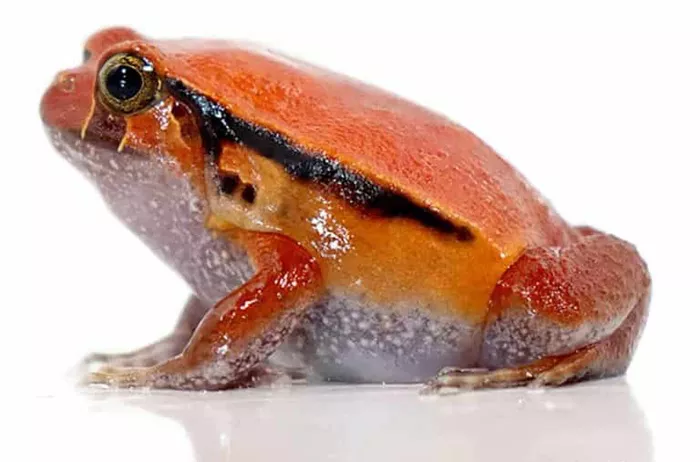
If you’ve ever seen a tomato frog in action, you know they’re pretty hard to miss. With their vibrant, bright red and orange skin, they look like something out of a fantasy world. But there’s one question that gets asked a lot when it comes to these cool creatures: Is a tomato frog an amphibian?
Now, you might be wondering why this question matters. After all, frogs are often lumped together with other amphibians like newts or salamanders. But there’s more to it than just a simple category. Tomato frogs (Dyscophus antongilii), like other amphibians, have unique traits and behaviors that make them stand out. But are they really part of the amphibian club, or is there something more we need to understand? Let’s dive into this mystery!
What Are Amphibians? A Quick Overview
Before we get to tomato frogs, let’s break down the term amphibian. The word itself comes from the Greek “amphibios,” which means “living a double life.” This isn’t just a fun fact—it’s an important clue to understanding these creatures. Amphibians typically spend part of their lives in water and part on land. Think of them as the ultimate “dual-lifestyle” animals.
Here’s a quick analogy: imagine you have a friend who spends their mornings swimming in the pool and their afternoons hiking in the mountains. Amphibians are kind of like that friend, but on a more biological level. They usually start their life in water as larvae (think tadpoles), and later transition to land as adults. Frogs, newts, and salamanders are the most well-known examples.
What makes an amphibian unique?
- They typically have moist skin that allows them to absorb oxygen.
- Many undergo metamorphosis—changing from an aquatic larval stage to a terrestrial adult.
- They usually need water for reproduction, where they lay their eggs.
So, with all that in mind, let’s now take a closer look at the tomato frog. Does it meet these criteria? Let’s find out!
Tomato Frogs: Who Are They?
Tomato frogs (Dyscophus antongilii) are striking amphibians native to Madagascar. They’re known for their vibrant red-orange coloration, which is a warning to predators that they are toxic. Fun fact: The name “tomato frog” comes from their bright, tomato-like appearance! These frogs have a unique defense mechanism: when threatened, they puff up to appear larger and more intimidating. But that’s not all—they also secrete a toxic mucus that can irritate predators. Don’t worry; it’s harmless to humans, though it’s best not to handle them too much.
But the question remains: Are tomato frogs true amphibians?
Tomato Frogs and Their Amphibian Traits
Let’s look at the traits of amphibians and see how tomato frogs measure up.
1. Life Cycle: Double Life or Not?
Tomato frogs, like many other amphibians, undergo a metamorphosis. They start life as aquatic tadpoles, spending their early stages in water. Over time, these tadpoles transform into adult frogs, a change that’s a key characteristic of amphibians.
Real-life analogy: Think of how you might change schools as you grow up. At first, you’re a newbie (like a tadpole), and eventually, you become a seasoned pro (like an adult frog). Tomato frogs experience a similar transformation from water-bound larvae to land-dwelling adults.
Metamorphosis is central to what defines an amphibian, and tomato frogs follow this life cycle pattern.
2. Skin: Moisture is Key!
Amphibians are known for their moist skin, which helps them absorb oxygen. This is why many amphibians, including tomato frogs, are often found in humid environments where they can maintain their skin’s moisture. Unlike reptiles that have dry, scaly skin, amphibians rely on their skin as an organ of respiration.
Fun Fact: Tomato frogs secrete a sticky, milky substance from their skin when threatened. This secretion serves both as a defense and a moisture-retaining agent. Their skin is definitely an essential part of their amphibian status.
See Also: Why Is My Tomato Frog Turning Yellow? Discover the Causes!
3. Breeding in Water: Tomato Frogs and Their Reproductive Habits
Another defining characteristic of amphibians is that they usually need water for reproduction. Most species lay their eggs in water, where the larvae can hatch and grow. Tomato frogs are no exception. Female tomato frogs lay their eggs in shallow pools of water. Once the eggs hatch, the tadpoles spend their early days in the water before transforming into land-dwelling frogs.
This close connection to water for reproduction confirms that tomato frogs are, indeed, amphibians.
So, Are Tomato Frogs Amphibians?
After exploring the life cycle, skin characteristics, and reproductive habits of the tomato frog, it’s clear that they fit the amphibian profile. They start life in water, undergo metamorphosis, have moist skin that facilitates breathing, and rely on water for reproduction.
In short, yes, tomato frogs are definitely amphibians. They belong to the same family as frogs, toads, newts, and salamanders—creatures that all share these common amphibian traits.
What Makes Tomato Frogs Unique in the Amphibian World?
While tomato frogs fit the general amphibian description, they also have some special features that make them stand out from other amphibians. Here are a few things that make tomato frogs so amazing:
Bright Colors and Toxicity: Their vibrant colors aren’t just for show; they are a warning to predators that the frog is toxic. This is a defense mechanism seen in several amphibians, but tomato frogs are especially well-known for it.
Puffing Up for Defense: When threatened, these frogs can inflate their bodies, making them look larger and more intimidating to predators. This is a unique and fascinating behavior that helps them survive in their natural habitat.
Nighttime Lifestyle: Like many amphibians, tomato frogs are nocturnal, which means they are most active at night. This makes them a bit mysterious and adds to their allure as a pet for reptile enthusiasts.
Conclusion
So, there you have it—tomato frogs are indeed amphibians, just like the familiar green frogs, salamanders, and newts you might have seen. These fascinating creatures live dual lives—in water and on land—and their biology is designed to help them thrive in both environments.
The next time you look at a tomato frog, you’ll know they’re not just a cool pet, but a true amphibian, part of the amazing group of animals that bridge the gap between aquatic and terrestrial life.
Related topics: