
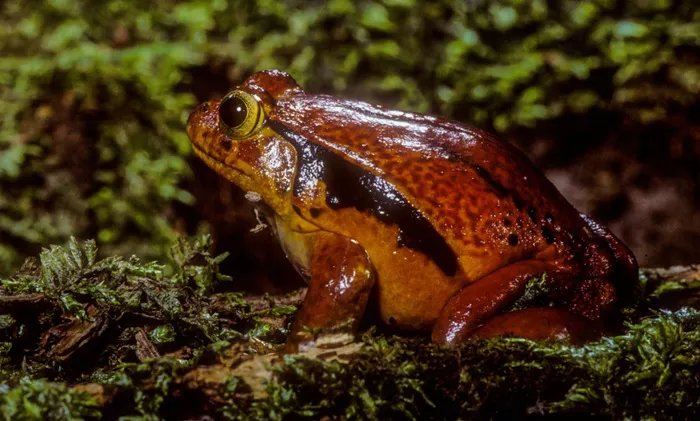
Tomato frogs, with their vibrant red-orange hues, are one of the most eye-catching amphibians out there. But beyond their stunning appearance, there’s a common question that reptile enthusiasts often wonder about: Do tomato frogs like to climb?
If you’ve ever seen a tomato frog in its natural habitat—or better yet, had the pleasure of keeping one in an enclosure—you may have noticed something curious. Unlike some other species of frogs that are natural climbers, tomato frogs don’t exactly fit that mold. But before we dive into the specifics, let’s take a step back and understand these fascinating creatures a bit better. In this article, we’ll explore the behavior, habitat preferences, and lifestyle of tomato frogs to answer whether they enjoy climbing or not.
What Are Tomato Frogs? An Introduction to This Colorful Species
Tomato frogs, scientifically known as Dyscophus antongilii, are native to the rainforests of Madagascar. Their bright orange or red skin, which gives them their name, makes them incredibly easy to spot. These frogs are not only visually striking but also quite unique in terms of their behavior and habits.
In the wild, tomato frogs live in humid environments like forests and wetlands, where they can stay close to water sources like slow-moving rivers and ponds. Their habitat is essential for their survival, providing the right moisture and temperature to keep them healthy.
While these frogs have been popular in the pet trade, many people may not know that their needs go beyond just being admired for their beauty. Tomato frogs are generally terrestrial and have specific preferences for how they live and move. Understanding these needs can help you care for them if you decide to welcome one into your home.
Do Tomato Frogs Like to Climb?
Now, let’s get to the heart of the question—Do tomato frogs like to climb?
To put it simply, no, tomato frogs aren’t natural climbers. While some species of frogs are arboreal (meaning they spend most of their time in trees) or semi-arboreal (hopping between trees and the ground), tomato frogs prefer to stay close to the ground. This means you won’t often see them scaling tank walls or leaping to high places.
Unlike tree frogs, which have specially adapted feet to help them cling to vertical surfaces, tomato frogs have flat, broad feet that are designed for life on solid ground. Their main activity involves digging, burrowing, and hopping short distances. Tomato frogs do, however, occasionally leap from one flat surface to another, but you won’t see them climbing tree branches like some other amphibians.
Why Don’t Tomato Frogs Climb?
Tomato frogs’ lifestyle is heavily influenced by their native habitat in Madagascar. In the wild, these frogs primarily inhabit moist, forested areas and swamps. They don’t need to climb because the vegetation in their environment is not built for them to do so. Instead, they thrive in more horizontal spaces, such as under thick leaves or between the moist, earthy layers of the forest floor.
Additionally, their diet and behavior are adapted to life on the ground. Tomato frogs primarily eat insects and other small invertebrates that live in the soil, on plants, or in the water. This focus on ground-dwelling food sources means they aren’t designed to venture up into trees or climb at all.
The Anatomy of a Tomato Frog: Why They’re Not Built to Climb
A closer look at the anatomy of tomato frogs reveals a few reasons why they aren’t built for climbing. Their feet are relatively wide and flat, designed for walking and digging through soft soil rather than gripping onto vertical surfaces. Their toes lack the sticky pads that tree frogs have, which allow them to cling to tree branches, window panes, or tank walls.
See Also: How Long Can a Tomato Frog Really Live?
Think of it this way: imagine you’re trying to scale a smooth surface in your bare feet versus wearing climbing shoes. Tomato frogs, like you without climbing shoes, just don’t have the right tools to climb effectively.
Tomato Frog Care: Should You Provide Climbing Opportunities?
If you’re keeping a tomato frog in captivity, you might be wondering if you should still add climbing elements to their enclosure. While tomato frogs don’t need to climb, they do benefit from a carefully designed habitat.
Here’s what you should focus on instead:
Ground Space Over Vertical Space
Since tomato frogs are terrestrial, they need plenty of floor space to hop around and explore. A large, horizontal tank is ideal, especially one with a soft substrate where they can dig and burrow. Two to three inches of moist coconut fiber, soil, or a similar substrate works well.
Hideaways and Burrows
Tomato frogs are naturally shy creatures that like to hide. Provide them with a few hideaways—like cork bark, large leaves, or small hollow logs—where they can retreat to feel safe. They’ll also enjoy burrowing beneath the substrate to mimic their natural behavior in the wild.
Proper Moisture
A well-maintained moisture level is crucial for tomato frogs. They need a humid environment to stay hydrated and healthy. Aim for humidity levels between 65% and 80%. You can achieve this by misting the enclosure regularly and providing a shallow water dish where they can soak.
Low Light
As nocturnal creatures, tomato frogs prefer low light conditions. In the wild, they are active during the evening and night, so in captivity, it’s best to replicate this by using low-wattage UVB or UVA bulbs for a natural day-night cycle without excessive brightness.
Why Is Understanding Their Behavior Important?
Understanding the behavior of tomato frogs is not only interesting but essential for creating the best environment for them. These frogs have specific needs that must be met for them to thrive in captivity. Knowing that they don’t need to climb or have vertical surfaces will help you focus on providing the right habitat that aligns with their natural behavior.
Whether you’re a first-time frog owner or a seasoned reptile enthusiast, learning about their lifestyle and needs will go a long way in ensuring that your tomato frog lives a long, healthy life in your care.
Common Misconceptions About Tomato Frogs
Many new pet owners have a few misconceptions about tomato frogs, especially when it comes to their behavior. Here are some of the most common ones:
1. Tomato Frogs Love to Swim
While tomato frogs can tolerate water and may soak in a shallow dish, they are not great swimmers. They prefer to stay on solid ground and do not thrive in waterlogged environments like some other amphibians.
2. Tomato Frogs Are Extremely Active
Tomato frogs are generally nocturnal, meaning they are most active at night. During the day, they tend to remain hidden and can often be found resting in their burrows or under a hideaway.
3. Tomato Frogs Can Live in Small Cages
Given their terrestrial nature, tomato frogs require more space than people often realize. A small tank can make them stressed, leading to health problems. A larger, well-structured enclosure is always better.
Conclusion
In conclusion, tomato frogs are not climbers. They are terrestrial frogs that prefer life on the ground, where they can dig, burrow, and forage for food. Their physical build and natural behavior are geared towards a ground-based existence, not climbing. By understanding their needs and providing a suitable, horizontal habitat, you can ensure that your tomato frog remains happy and healthy in its enclosure.
As you continue caring for your tomato frog, remember that it’s all about creating an environment that mimics its natural habitat. They might not scale the walls or leap from branches, but they’ll sure appreciate a spacious, comfortable home that allows them to live out their natural behaviors.
Related topics: