
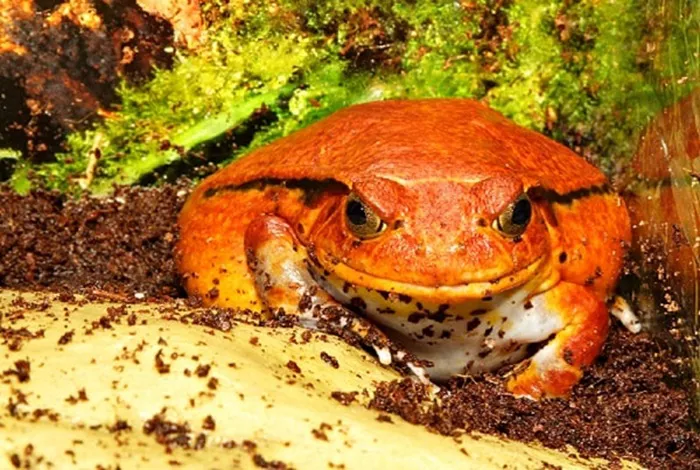
When it comes to creating the perfect environment for your tomato frog, one question often pops up: do tomato frogs need a heat pad? If you’re new to keeping reptiles or amphibians, this might sound like a simple question, but in reality, it’s key to ensuring your frog thrives in its enclosure. Let’s dive in and explore whether heat pads are necessary and how you can create the ideal setup for your tomato frog.
What Are Tomato Frogs?
Before we answer the big question, let’s quickly introduce the tomato frog. Known for their vibrant red-orange coloration, these frogs (scientifically called Dyscophus antongilii) hail from Madagascar. They are not only visually striking but also have a cool defense mechanism: when threatened, they inflate their bodies to appear larger and potentially unappetizing to predators. They are mostly ground dwellers, often found in rainforests or near slow-moving water sources in their natural habitat.
So, with their vibrant look and quirky behaviors, it’s no wonder that tomato frogs are a popular choice among amphibian enthusiasts. But as with all pets, especially exotic ones, it’s important to understand their habitat needs.
Temperature Requirements for Tomato Frogs
To understand if a heat pad is necessary, we need to consider the natural habitat of the tomato frog. In Madagascar, these frogs live in tropical rainforests where the temperature is consistently warm, typically ranging from 65°F to 85°F (18°C to 29°C). This is the kind of warmth that keeps them active and healthy.
Just like us, reptiles and amphibians are cold-blooded, meaning they cannot regulate their body temperature internally. Instead, they rely on external sources of heat to keep their bodies in an ideal temperature range. So, for your tomato frog to feel at home, you need to replicate this warm environment inside its enclosure.
Do Tomato Frogs Need a Heat Pad?
Now, let’s get to the heart of the matter—do tomato frogs need a heat pad?
In short: Yes, they can benefit from a heat pad. Here’s why:
1. Maintaining Ideal Temperature
A heat pad provides a constant source of warmth for your frog, ensuring the enclosure stays within the right temperature range. Without a heat pad, it may be hard to maintain the required warmth, especially if you live in a cooler climate.
2. Temperature Gradient
Tomato frogs, like most reptiles and amphibians, need a temperature gradient in their tank. This means having both warmer and cooler areas within the enclosure so your frog can regulate its body temperature by moving between different zones. A heat pad placed under one part of the tank creates that warm spot, while the rest of the enclosure remains cooler, mimicking the natural environment where your frog can choose its preferred temperature.
3. Simulating Natural Conditions
In the wild, tomato frogs are used to a humid, warm rainforest environment. A heat pad can help maintain the necessary warmth, especially if your room temperature fluctuates. Just like how a warm sunbeam would hit the forest floor in Madagascar, a heat pad gives your frog the opportunity to bask in warmth, which supports their digestion, activity levels, and overall health.
4. Winter and Seasonal Changes
If you’re keeping a tomato frog in a location that experiences cold winters, a heat pad becomes even more crucial. Without it, the enclosure could drop below the minimum temperature that is safe for the frog. In colder months, heat pads ensure your frog doesn’t experience stress due to temperature extremes.
How to Use a Heat Pad for Tomato Frogs
If you decide a heat pad is necessary for your tomato frog’s enclosure, it’s important to use it properly to avoid overheating or creating an uncomfortable environment.
1. Placement Matters
When placing a heat pad, don’t simply put it under the tank. Instead, position it on the side or bottom of the enclosure, depending on the type of tank you have. This way, you can create a warm zone, but ensure the entire tank isn’t uniformly warm. Your frog will appreciate the ability to move from one area to another depending on what it needs.
2. Use a Thermostat
Heat pads can sometimes get too hot, so always use a thermostat to regulate the temperature. Set the heat pad to maintain a consistent warm spot that’s around 80°F to 85°F (27°C to 29°C), which is the ideal temperature for tomato frogs. The cooler side of the enclosure should be around 70°F (21°C). Having a thermometer inside the tank helps ensure that you’re hitting the right marks.
3. Choose a Low-Wattage Pad
If you’re new to using heat pads, choose one with low wattage. These are less likely to overheat and will still provide ample warmth for your frog. Too much heat can cause stress or dehydration for the amphibian.
See Also: Where Can You Buy a Tomato Frog Today? Precautions
Alternatives to Heat Pads for Tomato Frogs
While heat pads can be very effective, there are other ways to heat the enclosure for your tomato frog:
1. Heat Lamps
Another option is to use heat lamps. These lamps mimic the sun’s natural heat and can create a warm, basking spot for your frog. They also add light to the tank, which is beneficial if your setup needs it. However, be mindful that these can dry out the tank faster, so you’ll need to balance humidity levels carefully.
2. Ceramic Heaters
If you prefer a more discreet heat source, a ceramic heater could be an option. These heaters don’t emit light, but they still warm up the tank effectively. They are usually paired with a thermostat, just like heat pads.
3. Room Heating
If your room stays warm enough, you may not need a heat pad at all. Simply keep your tomato frog’s tank in a room where the temperature stays within the required range. However, this is harder to control, and a heat pad gives you more precise regulation.
Things to Avoid When Using Heat Pads for Tomato Frogs
While heat pads are generally helpful, there are some things to avoid to ensure your tomato frog stays healthy:
Don’t Overheat: Overheating is one of the easiest ways to stress or harm your frog. Always use a thermostat to regulate the temperature and ensure you’re not causing the tank to get too hot.
Avoid Hot Spots: Never place the heat pad under the entire tank. A temperature gradient is crucial, so there should always be a cooler area your frog can retreat to.
No Direct Contact: Never let the heat pad make direct contact with the frog. The warm spot should always be on the tank’s surface or the substrate, but not directly under the frog.
Conclusion
Yes, a heat pad can be essential to keeping your tomato frog happy and healthy. It’s an easy way to maintain a stable and warm environment that replicates their natural tropical habitat. Remember, providing a proper temperature gradient with a heat pad, along with humidity control, is key to ensuring your tomato frog thrives.
If you’re just starting out with keeping tomato frogs or any amphibians, you might be overwhelmed by all the details. But don’t worry—keeping your frog’s habitat warm and comfortable doesn’t have to be complicated. Use a heat pad, monitor the temperature, and watch your frog bloom in a happy, healthy environment!
Related topics: