
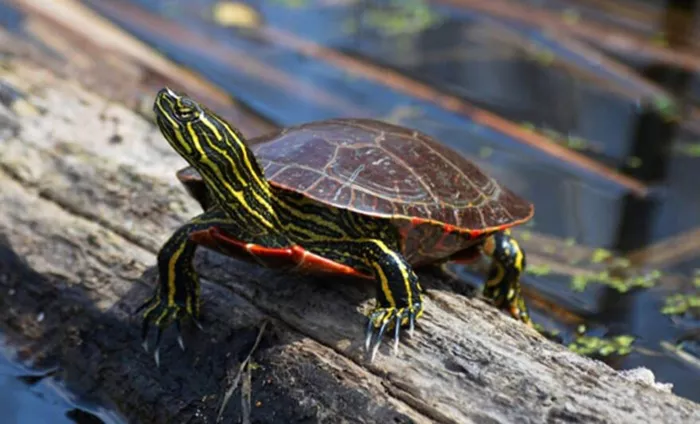
Understanding the differences between male and female painted turtles is not only fascinating but also essential for anyone who keeps them as pets or is involved in their conservation. Painted turtles, native to North America, are known for their vibrant shells and unique behaviors, but distinguishing between males and females can sometimes be tricky. This article aims to provide a comprehensive guide to identifying these differences, examining physical, behavioral, and environmental factors that can help you tell if your painted turtle is male or female.
Turtles, like many reptiles, exhibit sexual dimorphism – meaning that the two sexes have different characteristics. These differences are often subtle, especially in young turtles, but as they mature, they become more apparent. Whether you’re a hobbyist, a biologist, or simply someone interested in these fascinating creatures, understanding how to identify the sex of a painted turtle will enrich your knowledge.
Physical Differences Between Male and Female Painted Turtles
One of the most reliable ways to determine the sex of a painted turtle is by looking at its physical characteristics. These traits vary depending on age and species, but for painted turtles, several key features will help differentiate males from females.
Size and Shape of the Shell
One of the most noticeable differences between male and female painted turtles lies in the size and shape of their shells.
Females typically have larger, broader shells. This adaptation is thought to be related to egg production. A larger body size allows females to carry and protect their eggs more efficiently. The shell of a female painted turtle tends to be wider, especially near the rear.
Males, on the other hand, have smaller, more compact shells. Their shells are typically longer and narrower, which might give them a more streamlined appearance. The smaller shell is believed to aid in swimming, helping males navigate the water more quickly in search of mates.
Tail Length
Another distinguishing feature between male and female painted turtles is the length of their tails. This is often one of the clearest differences, especially when observed closely.
Males generally have longer tails. Their tails are thick at the base and extend further out behind the shell. The reason for the longer tail in males is related to reproductive needs. A longer tail helps males mate by inserting their cloaca into the female’s during copulation.
Females possess shorter, more compact tails. The tail is proportionally smaller because they don’t need the extended length for mating. It is closer to the size of their body, offering less protrusion beyond the shell.
Claw Length and Shape
Males also tend to have longer claws than females, particularly on their front feet. These claws are used during mating rituals to grasp the female, so their longer length helps in securing a firm grip.
Male claws are longer and more curved. They are often visibly larger and are used in courtship behavior to stroke the female’s head or shell.
Female claws are typically shorter and less pronounced, as they don’t require the same kind of adaptation for courtship.
Color and Markings
While both sexes have vibrant and colorful markings, the coloration can sometimes vary slightly based on sex and age. However, these color differences are subtle and often not reliable for determining sex on their own.
Males tend to have brighter, more vivid markings. This is especially evident on their heads and necks. The color is thought to play a role in attracting females during the breeding season.
Females may appear slightly more muted in comparison, but again, this difference is minimal and not a primary indicator for sex determination.
Behavioral Differences: How Painted Turtles Act Differently
Behavior is another important factor in identifying the sex of a painted turtle. Males and females have different roles within their species, especially during the breeding season.
Courtship Behavior
One of the most significant behavioral differences between males and females occurs during the mating season. Males engage in unique courtship behaviors to attract females.
Males will often swim in front of females, perform specific movements, and use their long claws to stroke the female’s face or shell. This behavior is a key indicator of maleness, especially in the spring and summer months when mating occurs.
Females, in contrast, do not engage in such courtship behaviors. They are typically more passive and less inclined to show the kind of active interest in males that males show in them.
Swimming Patterns
Another interesting difference between the sexes is the way males and females swim.
Males are generally more active swimmers. They tend to swim quickly and may engage in territorial displays or chase after females during the mating season.
Females tend to be less energetic swimmers and prefer staying closer to the bottom of the pond or lake. They are more focused on finding suitable nesting sites, particularly in the spring and summer.
Size and Growth: Male vs. Female Painted Turtle Lifespan and Growth Patterns
The size of a painted turtle changes throughout its life, but females tend to grow larger than males.
Growth Rate and Size at Maturity
Females generally take longer to reach maturity and can grow larger as a result of their broader body size, needed for egg-laying. By the time females reach sexual maturity, they can be noticeably larger than males, with an average size of 6–9 inches in carapace length.
Males, however, mature faster and stop growing earlier. They typically reach sexual maturity at around 2–4 years of age but remain smaller, with an average carapace length of 4–6 inches.
Lifespan
Females tend to live longer than males. In the wild, painted turtles can live up to 25-30 years, and females may even exceed this lifespan under optimal conditions.
Males have a shorter lifespan on average, living up to 20 years, though this can vary based on environmental conditions and predation pressures.
Environmental Considerations for Identifying Male and Female Painted Turtles
Environmental factors can also influence the sexual dimorphism seen in painted turtles. Temperature and habitat type can affect the rate of growth and sex determination.
Temperature plays a key role in the determination of sex in many reptiles, including painted turtles. Warmer temperatures tend to produce more females, while cooler temperatures tend to result in more males. This is due to temperature-dependent sex determination (TSD), a common trait in many turtle species.
Habitat also plays a role in how these differences manifest. Males may be more likely to inhabit areas where they can find females to mate with, while females are often found in environments with more access to food and nesting sites.
Conclusion
Distinguishing between male and female painted turtles involves observing a combination of physical traits, behavioral patterns, and environmental factors. While certain characteristics such as tail length, size, and claw length are more obvious indicators, other subtler clues, like behavioral differences during the breeding season, can also help in making an identification.
In sum, male painted turtles are generally smaller, with longer tails and claws, and exhibit more active behaviors, especially during courtship. Female painted turtles, on the other hand, are larger, with shorter tails and claws, and tend to be more passive. Understanding these differences not only helps in identifying these fascinating creatures but also in caring for them, ensuring they receive the appropriate habitat and care based on their sex.
Related topics: