
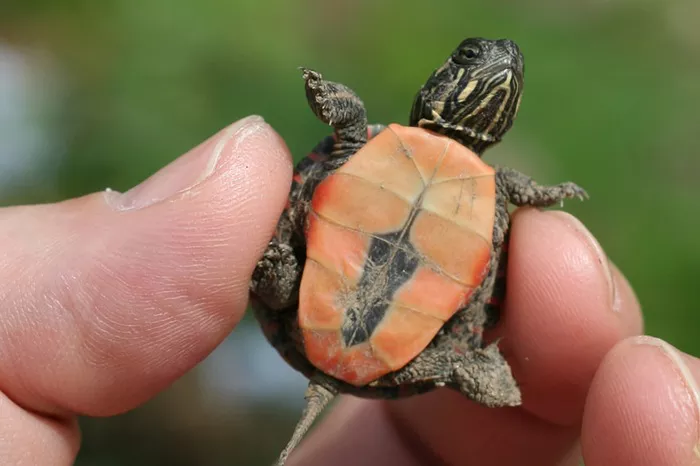
Owning a painted turtle can be a fascinating and rewarding experience. These turtles, known for their vibrant coloration and calm nature, are popular pets for many. However, before you decide to bring one into your home, it’s important to understand the responsibility involved in their care. This article will provide a comprehensive guide on owning a painted turtle, including their legal considerations, habitat requirements, diet, health, and the long-term commitment needed for their well-being.
Painted turtles are native to North America, particularly in the Midwest and Southeastern United States. They are named for the colorful patterns that adorn their shells, which can range from yellow to red, and are one of the most common types of pet turtles. But while their appearance makes them appealing, there are many factors that prospective owners need to consider to ensure a painted turtle thrives in a home environment.
In this article, we will explore the essential aspects of owning a painted turtle, including how to care for them properly, legal restrictions, and the best practices for creating a suitable environment. By the end, you will have a clear understanding of whether owning a painted turtle is the right choice for you.
Legal Considerations for Owning a Painted Turtle
Before acquiring a painted turtle, it is essential to know the legal restrictions surrounding the ownership of these animals. Different regions have different laws governing the collection and sale of wild turtles, and in some areas, it may be illegal to capture or keep them as pets without the proper permits.
Conservation Status and Protection
In some states and countries, painted turtles are classified as a species of concern due to environmental changes affecting their population. Local wildlife protection laws may restrict or regulate the breeding and sale of these turtles to ensure their survival in the wild. It is important to research the laws in your area before acquiring one.
Captive-Bred vs. Wild-Caught
When purchasing a painted turtle, it is crucial to choose a captive-bred turtle over a wild-caught one. Wild-caught turtles may be carrying diseases, parasites, or may have been taken from their natural habitat illegally. Captive-bred turtles are generally healthier and less likely to have adverse effects on local ecosystems.
The Ideal Habitat for a Painted Turtle
To provide a suitable home for your painted turtle, you need to set up a proper enclosure that mimics their natural environment. Painted turtles are semi-aquatic and require both land and water areas in their habitat.
Tank Size and Setup
The size of the tank is one of the most important factors in ensuring your turtle’s comfort and health. As a general rule, the tank should be at least 40 gallons in size for one turtle. Turtles need ample space to swim, bask, and explore.
You should include both a water area for swimming and a dry area where the turtle can bask under a heat lamp. The water temperature should be kept between 75°F to 80°F, and the basking area should be between 85°F to 90°F. Proper filtration is also essential to maintain water quality, as turtles are messy eaters and produce a lot of waste.
Water Quality and Filtration
Turtles require clean water for both swimming and drinking. Water filtration systems are essential in keeping the water clean, reducing the risk of infections or diseases. A high-quality filtration system that can handle the size of your tank will help maintain the appropriate water conditions.
It’s also essential to monitor the water’s pH, temperature, and chlorine levels to ensure they remain stable.
Feeding Your Painted Turtle
Painted turtles are omnivorous, which means they eat both plants and animals. Their diet should consist of a balanced mixture of aquatic plants, vegetables, and protein sources.
What to Feed Painted Turtles
A typical diet for a painted turtle includes:
−Commercial turtle pellets
−Live or frozen food such as feeder fish, worms, and insects
−Leafy greens like lettuce and kale
−Vegetables like carrots, zucchini, and squash
It’s important to provide variety in their diet to ensure they get all the necessary nutrients. Painted turtles also benefit from occasional vitamin supplements to prevent deficiencies.
How Often to Fe#ed a Painted Turtle
Young turtles typically need to be fed daily, while adult turtles can be fed every other day. However, overfeeding can lead to obesity, which can cause health problems. Always remove uneaten food from the tank to maintain water quality.
Health and Wellness of a Painted Turtle
Maintaining your painted turtle’s health involves regular monitoring and providing appropriate care. Turtles are generally hardy animals, but like all pets, they are susceptible to certain health issues.
Common Health Issues in Painted Turtles
Shell Rot: Caused by bacterial or fungal infections, shell rot is one of the most common ailments in turtles. It can result from unsanitary water or poor tank conditions.
Respiratory Infections: Poor water temperature or hygiene can lead to respiratory infections in turtles. Symptoms include wheezing, labored breathing, and a lack of appetite.
Parasites: Turtles can carry parasites, which can affect their digestion and overall health. Regular deworming and parasite prevention are recommended.
Signs of Illness
A healthy painted turtle should be active, eat regularly, and exhibit normal behavior. If your turtle shows signs of lethargy, a lack of appetite, or abnormal shell conditions, it is important to consult a veterinarian who specializes in reptiles.
The Lifespan of Painted Turtles
Painted turtles have a long lifespan, typically living for 20 to 30 years in captivity if properly cared for. However, some turtles can live even longer, especially if they have a healthy diet and environment.
Factors That Influence Lifespan
The lifespan of a painted turtle can be influenced by several factors, including:
Diet and Nutrition: Proper nutrition is crucial to their health and longevity.
Environmental Conditions: A well-maintained habitat will prevent diseases and stress, allowing the turtle to live a long life.
Genetics: Like all animals, genetics can play a role in how long a turtle lives.
Conclusion
Owning a painted turtle can be a rewarding experience, but it comes with responsibilities that should not be taken lightly. These turtles require specific care, including a proper habitat, diet, and regular health monitoring. Legal considerations must also be taken into account to ensure that you are in compliance with local laws and are obtaining a turtle from a reputable source.
By carefully considering these factors, you can provide a safe and enriching environment for a painted turtle, allowing it to thrive for many years.
Related topics: