
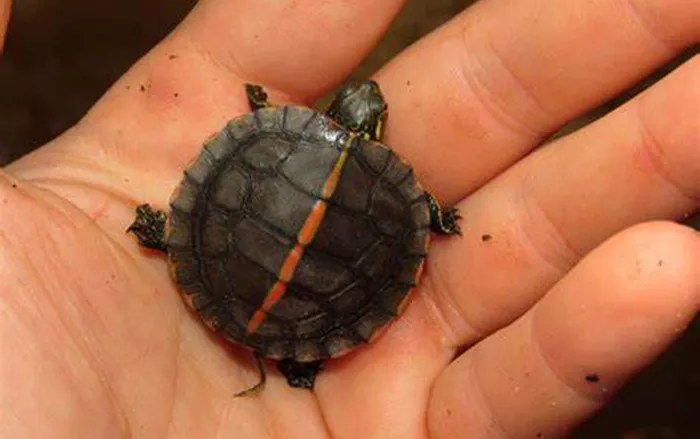
Painted turtles, known for their striking shell patterns and vibrant colors, are one of North America’s most recognizable turtle species. They are found in a variety of habitats, from slow-moving streams and ponds to marshes and lakes. Their diet, especially as hatchlings, is essential for their growth and survival. While adult painted turtles primarily consume a mixed diet of plants and small animals, hatchlings have different nutritional needs during their early stages of life.
Understanding what hatchling painted turtles eat is crucial for both conservation efforts and pet owners looking to care for these fascinating creatures. As they grow, their diet changes, but during the early stages, it is vital that they receive proper nutrition to thrive. This article will explore the various foods that hatchling painted turtles consume, their feeding habits, and how their diet influences their development.
Hatchling Painted Turtles: A Delicate Stage
When painted turtles hatch, they are incredibly small and vulnerable. Their soft shells and limited mobility make them easy prey for various predators. In the wild, the majority of hatchling turtles do not survive to adulthood, often falling prey to birds, fish, or larger mammals. The ones that do survive rely on their ability to find suitable food sources to fuel their growth and strengthen their shells.
The Role of Nutrition in Early Life
Nutrition plays a crucial role in the survival and development of hatchling turtles. Proper nutrition aids in the hardening of their shells, the development of their limbs, and the overall health of their immune systems. As their shells harden, they gain more protection from predators, but this process requires adequate nutrition, especially calcium, protein, and other essential nutrients.
Types of Food for Hatchling Painted Turtles
Hatchling painted turtles are omnivores, meaning they eat both plant and animal matter. However, in their early stages of life, they are more carnivorous, relying heavily on animal-based food for protein. As they grow older, their diet shifts to include more plants. Below are the primary food sources for hatchling painted turtles.
1. Aquatic Invertebrates
In the wild, aquatic invertebrates make up a significant portion of a hatchling painted turtle’s diet. These small creatures are rich in protein and provide the necessary building blocks for growth.
Insects: Hatchling painted turtles often feed on small insects like flies, beetles, and water bugs. Insects are a great source of protein, which is vital for muscle development.
Worms and Larvae: Earthworms and various larvae, such as those from mosquitoes, are also commonly consumed. These are high in protein and fat, helping the turtles gain strength and size.
Crustaceans: Small crustaceans like freshwater shrimp and tiny crabs are another protein-rich food source. They also provide calcium, which is essential for the development of the turtle’s shell.
2. Fish and Fish Parts
Hatchling painted turtles, though small, are capable of catching small fish or scavenging for fish parts. In the wild, they may feed on fish eggs, small fish fry, or even decaying fish. The high-fat content of fish helps with energy levels and growth.
Fish Fry: These are young fish that are small enough for hatchling turtles to catch. They provide protein and essential fatty acids.
Fish Parts: The soft tissues and innards of fish are easy for hatchlings to consume and are an excellent source of nutrition.
3. Plant Matter
Although hatchling painted turtles are more carnivorous, they will begin to incorporate plant matter into their diet as they grow. Young turtles may feed on soft aquatic plants, algae, and other green materials available in their environment.
Aquatic Plants: Soft, tender aquatic plants like duckweed and water lilies are easy for hatchlings to nibble on. These plants provide some vitamins and minerals necessary for their overall health.
Algae: Algae is a common food source for both hatchlings and adult turtles. It is rich in various nutrients and can be found in most aquatic habitats.
4. Other Sources of Protein
While hatchling painted turtles do not typically consume large amounts of meat, they will occasionally feed on small amphibians, such as tadpoles or small frogs. These animals provide valuable protein and fats that aid in the growth of the hatchling.
Tadpoles: These are an excellent source of protein and fat for hatchling painted turtles. In the wild, hatchlings often find them in the water during the breeding season of frogs.
Small Amphibians: As hatchlings grow, they may begin to target small frogs and other amphibians for food.
Feeding Hatchling Painted Turtles in Captivity
If you’re keeping a hatchling painted turtle as a pet, it’s essential to provide a balanced diet that mimics what they would eat in the wild. In captivity, painted turtles can be fed a variety of commercial turtle foods, but it’s still important to provide live food and fresh vegetables to ensure they are getting the proper nutrients.
1. Live Foods
Providing live foods like crickets, mealworms, or small fish can stimulate a turtle’s natural hunting instincts and provide fresh protein. Live foods are also more nutritionally complete than processed foods.
2. Commercial Turtle Food
High-quality commercial turtle pellets can serve as a staple diet for captive hatchlings. These pellets are formulated to provide the necessary vitamins and minerals for growth, including calcium and phosphorus, which are crucial for shell development.
3. Vegetation and Greens
As they grow, hatchling painted turtles will start to incorporate more plant matter into their diet. Fresh leafy greens like dandelion greens, collard greens, and kale are excellent choices. You can also offer aquatic plants like water lettuce and water hyacinth.
4. Calcium Supplements
In captivity, it’s important to provide a calcium supplement to ensure proper shell development. This can be done by dusting their food with calcium powder or offering cuttlebone, which turtles can nibble on to get the calcium they need.
How Often Should Hatchling Painted Turtles Be Fed?
Hatchling painted turtles are growing quickly, so they need to eat frequently to meet their energy needs. When they are very young, it is best to feed them small amounts of food every day. As they age, you can reduce the frequency of feeding, but ensure that they are always getting enough to eat.
Conclusion
Understanding what hatchling painted turtles eat is essential for their growth and survival. These tiny creatures require a balanced diet rich in protein, vitamins, and minerals during their early stages of life. In the wild, they rely on a combination of aquatic invertebrates, small fish, and plants to fuel their growth. In captivity, it’s important to mimic these natural food sources to ensure your hatchling’s health and development.
By providing the right diet and care, hatchling painted turtles can thrive and grow into strong, healthy adults.
Related topics: