
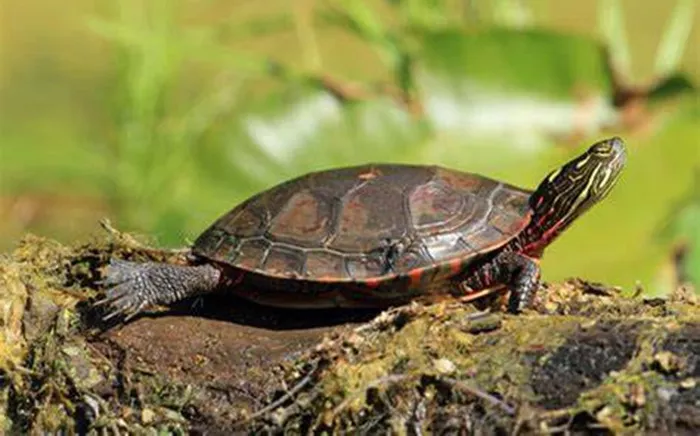
Eastern Painted Turtles (Chrysemys picta picta) are one of the most widely recognized species of freshwater turtles in North America. Their distinctive markings, which include vibrant red and yellow patterns along their shells and bodies, make them easily identifiable. These turtles are not only admired for their beauty but are also an integral part of the ecosystems they inhabit. Understanding where Eastern Painted Turtles live is crucial to both their conservation and our appreciation of their role in nature.
Eastern Painted Turtles are found primarily in the eastern parts of North America, but their habitat preferences and behavior provide valuable insights into the types of environments that support their populations. These environments must offer a mix of aquatic and terrestrial conditions that suit their needs for basking, feeding, and nesting. By looking deeper into the places where these turtles thrive, we can better understand how they interact with their surroundings and what factors influence their distribution.
Habitat Overview: Freshwater Ecosystems
Eastern Painted Turtles are primarily freshwater creatures, thriving in slow-moving rivers, ponds, lakes, marshes, and wetlands. Their ideal habitat must contain both aquatic and semi-aquatic areas where they can access water for swimming and feeding, as well as land for basking. These turtles are not strictly aquatic; they require a balance of both water and land to complete their life cycle.
The water they inhabit should be shallow, with ample vegetation such as submerged plants or algae, which they feed on. The presence of basking spots, such as rocks, logs, or fallen trees, is equally important. These basking sites provide essential sun exposure, allowing the turtles to regulate their body temperature. While these turtles are commonly found in slow-moving bodies of water, they can also inhabit more stagnant areas, including swamps and ponds with minimal water flow.
Geographic Range of the Eastern Painted Turtle
Eastern Painted Turtles are native to a wide geographic region, extending from the central and eastern United States into parts of Canada. Their range spans from southern Canada, across the Great Lakes region, and down to the Gulf of Mexico in the southern United States.
In Canada, they are commonly found in Ontario and Quebec, though their presence is also noted in other provinces like Manitoba and Saskatchewan. In the United States, Eastern Painted Turtles can be found from the Great Lakes region, through the Midwest, and as far south as northern Florida and Louisiana.
The species’ distribution is not uniform across these regions; they tend to prefer specific habitats based on local climate conditions. For example, in the northern parts of their range, Eastern Painted Turtles are often found in colder climates with longer winters, requiring them to hibernate in the muddy bottoms of lakes and ponds. In contrast, in the southern parts of their range, where winters are milder, they remain active year-round.
Preferred Water Conditions
The quality of water in the habitat of Eastern Painted Turtles plays a significant role in their survival. These turtles are highly sensitive to water pollution, and the quality of water in their environment directly impacts their health. Ideal habitats feature clear, clean water that is not overly polluted by chemicals or human-made waste.
Temperature is another critical factor. These turtles are cold-blooded and rely on environmental heat sources to regulate their body temperature. The water temperature should typically range between 70 to 80°F (21 to 27°C) for optimal health. When the water temperature drops too low, particularly in winter, Eastern Painted Turtles enter a state of hibernation.
Basking Sites: Essential for Temperature Regulation
As mentioned, Eastern Painted Turtles need basking spots where they can soak up the sun. Basking is crucial for their health, as it helps them regulate their body temperature, digest food, and promote overall well-being. In the wild, these turtles often sunbathe on rocks, logs, or other flat surfaces that are exposed to sunlight. Without these basking sites, they cannot maintain their body heat.
The presence of such areas is not only vital for maintaining their body temperature but also provides a space for social behavior. Eastern Painted Turtles are often seen basking in groups, with multiple individuals sharing the same rock or log.
Terrestrial Habitats for Nesting
Although Eastern Painted Turtles primarily live in aquatic environments, they do require land for nesting. Female turtles typically lay their eggs on sandy or gravelly shores, away from the water. These nesting areas must be relatively free from human disturbance, and the soil should be loose enough to allow the turtles to dig their nests.
The nest location is critical for the success of the offspring. If the soil is too compact or too wet, the eggs may not survive. Therefore, the land around the water should be well-drained, and the climate should allow for the eggs to incubate at the proper temperature. In colder regions, the turtles may dig deeper nests to ensure the eggs remain insulated during colder months.
In some areas, human encroachment has reduced the availability of suitable nesting sites, which can limit the reproductive success of these turtles. Conservation efforts in these areas often include protecting nesting habitats and restoring areas where turtles can lay their eggs without interference.
How Eastern Painted Turtles Adapt to Their Environment
Eastern Painted Turtles have evolved specific adaptations that allow them to thrive in their chosen environments. One of the most notable adaptations is their ability to bask for extended periods. While basking, these turtles are able to absorb essential UVB rays, which help them produce Vitamin D3, a vital nutrient that supports healthy shell and bone development.
In addition to basking, Eastern Painted Turtles are also known for their ability to tolerate colder temperatures, which is particularly important in the northern parts of their range. When the weather turns cold, these turtles retreat into the mud or the bottom of ponds and lakes, where they can enter a state of brumation (a form of hibernation). During this time, their metabolism slows down, allowing them to survive without food until warmer conditions return.
Human Impact on Eastern Painted Turtle Habitats
Human activity has had a significant impact on the habitats of Eastern Painted Turtles. Habitat destruction, pollution, and the encroachment of urban development have led to the degradation of many of the natural environments these turtles rely on. Wetlands, ponds, and marshes are increasingly being drained for agricultural development, urban expansion, and infrastructure projects. This has reduced the amount of available habitat for Eastern Painted Turtles.
Water pollution is another significant concern. Turtles are highly sensitive to contaminants, and polluted water can lead to a range of health problems, including respiratory issues and compromised immune systems. The accumulation of toxic chemicals, such as pesticides and heavy metals, in the water can harm the turtles and the plants and animals they rely on for food.
Conservation efforts have focused on protecting and restoring wetland habitats, improving water quality, and educating the public about the importance of preserving natural ecosystems. Many states and provinces have implemented laws to protect Eastern Painted Turtles and their habitats, and various organizations are working to raise awareness about the challenges these turtles face.
Conclusion
Eastern Painted Turtles are remarkable creatures that rely on a delicate balance of freshwater ecosystems to survive. Their range spans a vast area across North America, from Canada to the southern United States. These turtles thrive in habitats that offer clear, clean water, basking spots, and suitable nesting sites. However, human impact on their environment has threatened their existence, making conservation efforts more important than ever.
By understanding where these turtles live and the specific conditions they require, we can better appreciate their role in the ecosystem and work to protect the habitats they depend on. Whether it’s through preserving wetlands, reducing pollution, or educating the public, every effort counts toward ensuring that Eastern Painted Turtles continue to thrive for generations to come.
Related topics: