
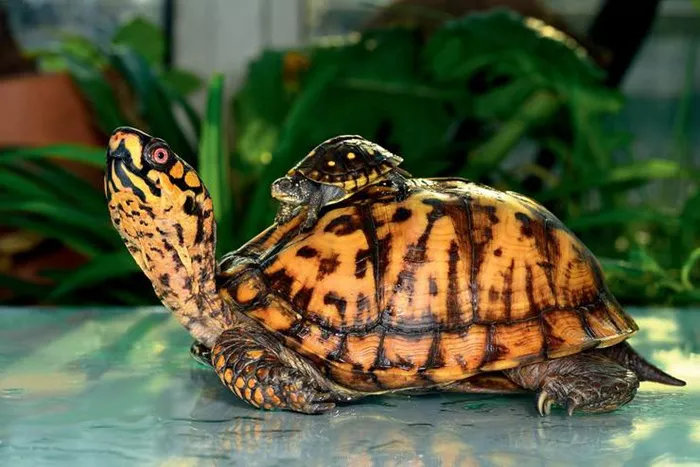
Eastern box turtles (Terrapene carolina carolina) are fascinating reptiles native to the eastern United States. These turtles are well known for their high-domed shell and their unique ability to close themselves completely inside it. This protective trait makes them one of the few box turtles that can shut themselves in like a box—hence the name.
If you are caring for an Eastern box turtle, whether in captivity or in a rehabilitation setting, feeding it properly is essential. Their diet not only supports their physical growth but also influences their lifespan, energy levels, and overall health. Unfortunately, many well-meaning keepers provide inadequate nutrition due to a lack of proper knowledge.
This article will help you understand what to feed your Eastern box turtle. We will cover their natural diet, ideal captive diet, safe and unsafe foods, feeding schedules, supplements, and special considerations for age and season.
Understanding the Eastern Box Turtle’s Natural Diet
Eastern box turtles are omnivores. This means they eat both plant and animal matter. However, their dietary habits change as they age. Juvenile turtles tend to consume more protein, while adults eat more plant-based foods.
In the wild, these turtles are opportunistic feeders. They will eat whatever is available. This includes insects, worms, snails, berries, mushrooms, and even small amphibians. Their ability to eat a wide variety of foods helps them survive in diverse habitats like forests, meadows, and wetlands.
Because they eat so many different foods in the wild, it is important to mimic this variety in captivity. A diet that lacks diversity can lead to nutritional deficiencies, poor growth, and even premature death.
Basic Principles of Feeding an Eastern Box Turtle
Feeding an Eastern box turtle is not as simple as giving it turtle pellets every day. Instead, you need to consider the following basic principles:
Variety: Offer a wide range of food items to ensure a balanced diet.
Balance: Aim for a ratio of approximately 60% plant matter and 40% animal matter for adults. Juveniles may need closer to 70% animal matter.
Natural options: Whenever possible, offer natural food items that the turtle might encounter in the wild.
Cleanliness: Wash fruits and vegetables thoroughly to remove pesticides.
Freshness: Only provide fresh, non-rotting food. Remove uneaten food after a few hours.
Supplements: Use calcium and vitamin supplements when necessary.
Animal-Based Foods: Essential Protein Sources
Protein is vital, especially for young turtles. Here are safe and nutritious animal-based options:
Insects and Worms
Earthworms: These are a favorite and are high in protein.
Mealworms and Superworms: Offer sparingly due to high fat content.
Crickets: Gut-load them with leafy greens before feeding.
Roaches: Dubia roaches are nutritious and easy to digest.
Beetle larvae: Such as waxworms (as an occasional treat).
Other Protein Sources
Snails and slugs: Only feed if collected from pesticide-free areas.
Boiled eggs (chopped): Rich in protein and safe in moderation.
Cooked lean meats: Chicken or turkey can be fed sparingly and without seasoning.
Commercial canned insects: Convenient, but should not be the primary source.
Avoid
−Processed meats like bacon or ham.
−Raw meat that may harbor bacteria.
−Fish with small bones, which may cause choking.
Commercial Diets: Can we use them?
There are many commercial turtle diets available in pet stores. While convenient, these should never make up the entire diet.
Pros of Commercial Diets
−Convenient and consistent.
−Fortified with vitamins and minerals.
−Easy to store and measure.
Cons of Commercial Diets
−Often lack variety.
−May be too dry.
−Some have artificial preservatives.
If you use commercial diets, choose high-quality brands with minimal additives. Always combine them with fresh foods for a complete diet.
Feeding Schedule and Portion Size
Feeding frequency depends on the age and health of your turtle.
Juveniles (up to 2 years)
−Feed daily.
−Prioritize protein (60–70% of the diet).
−Offer small portions to prevent overfeeding.
Adults (2+ years)
−Feed every other day.
−Balance the diet with 60% plant and 40% protein.
−Monitor weight and adjust accordingly.
Elderly or Inactive Turtles
−Reduce frequency and quantity slightly.
−Focus on easy-to-digest foods.
Turtles are slow eaters. Allow them 30–60 minutes to eat. Remove uneaten food to prevent spoilage and mold.
Water Needs and Hydration
Box turtles need access to fresh water daily. Even though they do not drink large amounts at once, hydration is vital for digestion and kidney health.
Tips for Providing Water
−Use a shallow water dish that is easy to climb in and out of.
−Change the water daily.
−Clean the bowl regularly to prevent algae and bacteria buildup.
You can also mist the enclosure to maintain humidity and aid hydration. Occasionally offering watery fruits like melon can also help.
Calcium and Vitamin Supplements
Even with a varied diet, captive turtles may miss out on key nutrients. That’s where supplements come in.
Calcium
−Use calcium powder without phosphorus.
−Sprinkle it lightly on food 2–3 times per week.
−Use more often for juveniles and egg-laying females.
Vitamin D3
−Helps absorb calcium.
−Vital if your turtle is not exposed to direct UVB light.
−Some supplements combine calcium with D3 for convenience.
Multivitamins
−Use once a week to fill any gaps.
−Do not overuse, as excess vitamins can be harmful.
Remember: Supplements are a support, not a substitute for a diverse diet.
Seasonal Feeding Behavior
Eastern box turtles are influenced by seasonal changes. In the wild, they eat more during the warm months and fast during winter brumation (a reptile version of hibernation).
Summer
−Appetite is high.
−Feed a wider variety and consider occasional live prey for enrichment.
Fall
−Appetite begins to drop.
−Gradually reduce feeding if the turtle is preparing for brumation.
Winter
−Many turtles brumate. If they do, stop feeding altogether.
−If your turtle remains active, offer small meals once or twice a week.
Spring
−Appetite returns.
−Slowly increase feeding frequency.
Feeding Enrichment and Presentation Tips
Feeding time can be more than just a routine. It can be a chance to provide mental stimulation.
Enrichment Ideas
−Offer live insects for hunting behavior.
−Hide food under leaves or in substrate.
−Use shallow puzzle feeders or platforms.
−Rotate food items to avoid boredom.
Turtles may not always eat right away. Some are picky or take time to warm up to new foods. Be patient, and offer new items multiple times before giving up.
Common Feeding Mistakes to Avoid
Feeding box turtles can be rewarding, but common mistakes can cause health issues. Here are some things to watch for:
Monotonous diet: Lack of variety can lead to malnutrition.
Overfeeding fruits: Too much sugar can cause diarrhea and organ stress.
Neglecting calcium: Leads to shell deformities and weak bones.
Using unsafe foods: Always research new items before feeding.
Ignoring hydration: Dehydration can be fatal, even if food is available.
By staying informed and cautious, you can prevent many common health problems.
Conclusion
Feeding an Eastern box turtle is not just about offering food. It is about understanding the animal’s natural history, nutritional needs, and behavior. A proper diet must be varied, balanced, and rich in both plant and animal matter. Hydration, supplementation, and seasonal changes also play important roles.
By following the guidelines in this article, you can help your Eastern box turtle live a long, healthy, and active life. Whether you are caring for a juvenile just starting its journey or a senior turtle enjoying a comfortable home, the right diet makes all the difference.
Always continue learning and observing your turtle’s preferences and health. No two turtles are exactly alike, and personalizing their diet is a key part of good care.
Related topics