
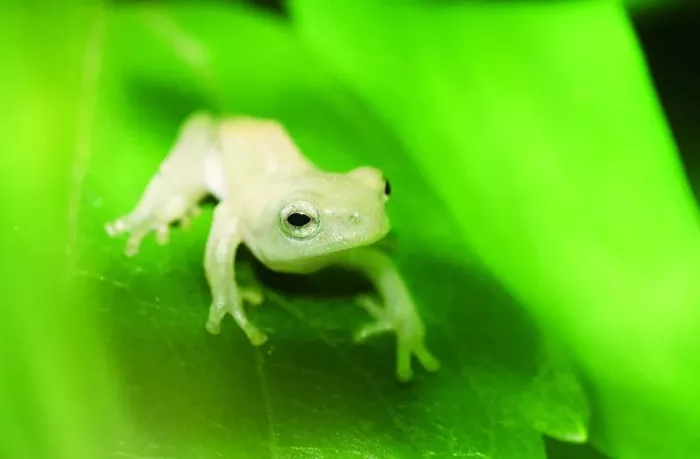
White’s tree frogs, also known as Litoria caerulea, are one of the most popular amphibians in the pet trade. Native to Australia and New Guinea, these frogs are known for their docile nature, vibrant green color, and fascinating behaviors. But before acquiring a White’s tree frog, potential pet owners should consider various factors, including the cost. In this article, we will explore the factors that determine the price of a White’s tree frog, the costs associated with their care, and other important information for anyone interested in keeping one as a pet.
Introduction to White’s Tree Frogs
White’s tree frogs are a species of arboreal frogs, which means they spend much of their time in trees or other elevated habitats. These frogs are often sought after for their striking appearance and calm demeanor. They have large, round bodies with smooth skin that is usually bright green, although some individuals may have a blue or grayish hue. These frogs are also known for their ability to change their color depending on their environment and their mood, making them a fascinating subject for observation.
The White’s tree frog has a relatively long lifespan, often living up to 15 years or more when cared for properly in captivity. They are hardy and adaptable animals, making them an excellent choice for both beginner and experienced amphibian enthusiasts. However, like any pet, they require specific care and an appropriate environment to thrive.
Factors Influencing the Price of White’s Tree Frogs
The price of a White’s tree frog can vary significantly depending on several factors. These include the frog’s age, color morph, quality, place of purchase, and whether it is wild-caught or captive-bred.
Age of the Frog
One of the most significant factors that affect the price of a White’s tree frog is its age. Juvenile frogs, or tadpoles, are typically less expensive than adults, but they also require more care and attention as they grow. In contrast, fully grown adult frogs tend to be more expensive, as they are often more robust and healthier. Adult frogs also tend to have a more established temperament, making them easier to handle for beginners.
Juvenile White’s Tree Frogs: The cost of a juvenile frog usually ranges from $20 to $40. These are typically smaller and may not be as well-established in terms of temperament. However, they are a great option for hobbyists who are willing to care for a frog from its early stages.
Adult White’s Tree Frogs: Adult frogs, on the other hand, generally cost between $50 and $100, depending on the quality and appearance of the frog. Adult frogs are usually more resilient and easier to manage, which makes them more desirable to many pet owners.
Color Morphs and Unique Features
Color morphs refer to variations in the frog’s coloration, which can affect its price. White’s tree frogs are typically green, but some may have unique patterns or colors, such as blue or albino morphs. These rare color variations can command higher prices due to their uniqueness.
Standard Green White’s Tree Frogs: The typical green variant of White’s tree frogs usually falls within the $30 to $60 range, depending on age and quality.
Blue or Albino Morphs: Specialty color morphs, such as blue or albino White’s tree frogs, can cost anywhere from $75 to $150 or even more. These unique color variations are rarer and thus more expensive.
Captive-Bred vs. Wild-Caught Frogs
Another important factor that influences the cost of a White’s tree frog is whether it is captive-bred or wild-caught. Captive-bred frogs are generally healthier and more accustomed to living in an artificial environment, making them a better choice for pet owners. They are also less likely to carry diseases and parasites, which are common in wild-caught frogs. As a result, captive-bred frogs often command higher prices than their wild-caught counterparts.
Captive-Bred Frogs: Captive-bred White’s tree frogs are usually priced between $30 and $80. These frogs are bred in controlled environments and are more likely to thrive in captivity.
Wild-Caught Frogs: Wild-caught frogs are generally cheaper, often priced between $20 and $40. However, they come with the risk of carrying diseases, and they may be more difficult to acclimate to captive care.
Place of Purchase
Where you purchase your White’s tree frog can also influence its price. Frogs purchased from specialty breeders or pet stores that focus on reptiles and amphibians tend to be more expensive. These breeders often offer higher-quality frogs, including rare morphs, and may provide better customer service and advice.
On the other hand, buying from large pet chains or online marketplaces may result in lower prices, but you may sacrifice some of the quality and care that comes from a specialized breeder.
−Specialty Breeders or Pet Stores: Expect to pay a premium for frogs purchased from these sources, with prices ranging from $40 to $100.
−Large Pet Chains or Online Marketplaces: Frogs from these sources tend to be less expensive, with prices ranging from $20 to $50, but the quality may not be as consistent.
Ongoing Costs of Owning a White’s Tree Frog
In addition to the initial cost of purchasing a White’s tree frog, there are several ongoing costs associated with caring for these animals. These include the cost of setting up an appropriate enclosure, food, and regular health maintenance.
Enclosure Setup
White’s tree frogs require a well-maintained enclosure to thrive. The cost of setting up an enclosure depends on the size, the materials used, and the equipment required. A basic terrarium setup for a single White’s tree frog can range from $100 to $300, depending on the quality of the enclosure and the items included.
Terrarium: A suitable terrarium for a White’s tree frog should be at least 10 gallons in size, though larger enclosures are better for multiple frogs or more space. A basic 10-gallon terrarium can cost between $30 and $50.
Heating and Lighting: White’s tree frogs are cold-blooded and require proper temperature and humidity levels. A heating pad or ceramic heat emitter will cost around $15 to $30, while UVB lighting (important for their health) may add another $20 to $40.
Substrate and Décor: A proper substrate for a White’s tree frog can range from $10 to $30. Additionally, you will need decorations like branches, plants, and hiding spots to make the enclosure suitable for an arboreal frog. These items typically cost $30 to $60.
Food
White’s tree frogs are insectivores, meaning they feed primarily on live insects. Their diet consists of crickets, mealworms, waxworms, and other similar-sized insects. You should expect to spend between $10 and $20 per month on food for your frog, depending on its size and appetite.
Live Insects: A monthly supply of crickets or other insects can cost anywhere from $10 to $20. It is important to gut-load the insects with nutritious food before offering them to the frog to ensure it receives a balanced diet.
Health and Maintenance
White’s tree frogs are relatively low-maintenance pets, but they still require occasional health care. Regular vet check-ups can cost anywhere from $30 to $50 per visit, and you should also budget for any medical treatments that may arise. In addition, maintaining the proper humidity and temperature levels is crucial for your frog’s health, and you may need to replace equipment like heat pads and UVB bulbs periodically.
Veterinary Care: Regular check-ups and treatments can cost between $30 and $100, depending on the type of care needed.
Replacement Equipment: You will need to replace bulbs, heat pads, and other equipment every 6 to 12 months. The cost for these replacements is typically $30 to $80 annually.
Conclusion
The cost of a White’s tree frog can vary widely based on factors like age, color morph, and whether the frog is captive-bred or wild-caught. On average, a White’s tree frog will cost anywhere from $30 to $100, with specialty color morphs potentially pushing the price higher. However, the initial purchase price is just one part of the overall expense of owning these fascinating amphibians.
Setting up a proper enclosure, providing the right food, and maintaining your frog’s health all require ongoing financial commitments. While White’s tree frogs are relatively low-maintenance pets, their care still demands an investment of time, effort, and money. If you’re considering bringing one into your home, be prepared for these costs and the long-term commitment involved in caring for a pet frog.
Related topic
- Argentine Horned Frog Care, Habitat, and More
- 10 Argentine Horned Frog Facts
- Do Horned Frogs Need Heat?