
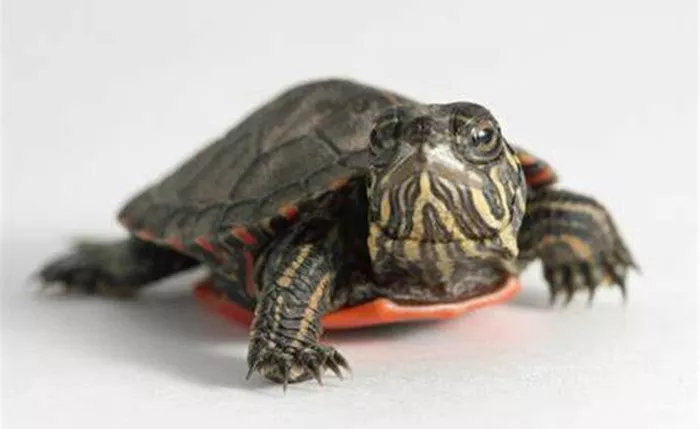
Painted turtles, scientifically known as Chrysemys picta, are one of the most commonly found turtle species in North America. They are known for their vibrant and distinct markings, which include bright yellow, red, and orange hues on their bodies. Understanding the age of a painted turtle is important for a variety of reasons, such as ensuring their proper care in captivity, studying their development in the wild, or assessing their health and lifespan. Determining the age of a painted turtle can be tricky, as they don’t show obvious signs of aging like humans or other animals. However, there are several methods that can help estimate their age, ranging from examining their physical characteristics to using more scientific techniques.
This article explores the different ways to tell how old a painted turtle is. By the end, you will have a clear understanding of the methods available, their pros and cons, and how you can use them to estimate the age of these fascinating reptiles.
Physical Characteristics of Painted Turtles
A painted turtle’s physical appearance changes as it grows, and these changes can provide clues about its age. While there are no exact formulas to determine a turtle’s age based solely on appearance, certain physical traits can offer valuable insights.
1. Carapace (Shell) Growth
The most noticeable feature of a painted turtle is its shell, or carapace. As the turtle ages, its shell grows in size, but it also undergoes changes in texture and pattern. The size of the shell is a significant indicator of the turtle’s age, especially in the first few years.
For young turtles, the shell is typically smooth and glossy. As the turtle matures, the shell becomes more textured and may show signs of wear. The growth rings on the shell, much like the rings on a tree, can be used to estimate the age of a turtle, although this method is not always entirely accurate due to environmental factors and wear on the shell.
2. Plastron (Bottom Shell)
The plastron is the bottom part of the turtle’s shell, and it can also provide clues about age. In young turtles, the plastron tends to be smooth and relatively flexible. As the turtle ages, the plastron hardens and may develop a more solid, rigid structure. This change can be useful in distinguishing between a juvenile and an adult turtle.
3. Scute Shedding and Growth Rings
The scutes are the individual plates that make up the turtle’s shell. These scutes grow in layers, and each year, a new layer forms on top of the old one. By counting these layers, researchers can estimate the age of the turtle. However, this method has limitations, as not all turtles grow in the same environment, and factors such as diet and habitat can affect the rate of growth. In captivity, for example, a turtle may grow faster due to better feeding conditions.
Behavioral Changes with Age
As painted turtles age, they undergo several behavioral changes that can offer clues to their age. These changes are less obvious than physical markers but can still provide valuable information.
1. Activity Levels
Young painted turtles are typically very active, swimming around and exploring their environments with a lot of energy. As they age, their activity levels tend to decrease. Older turtles may spend more time basking or resting in one spot rather than swimming around. Monitoring a turtle’s activity over time can help estimate its age, particularly when comparing a juvenile to an adult.
2. Feeding Habits
Young turtles generally have higher metabolic rates and require more food than adults. As they grow, their feeding habits may change, and they may become more selective in their food choices. Older turtles may also develop a preference for certain types of food, which can be a sign of maturity.
3. Reproductive Behavior
Painted turtles typically reach sexual maturity between 4 and 10 years of age, depending on factors such as size and environmental conditions. Once they reach maturity, they begin engaging in reproductive behaviors. If a turtle is observed mating, laying eggs, or exhibiting other reproductive behaviors, it is likely an adult.
Using Growth Rings to Estimate Age
One of the most commonly used methods for estimating the age of a painted turtle is by examining the growth rings on its shell. Much like the rings of a tree, these growth rings are formed each year as the turtle grows.
1. Counting the Rings
Growth rings are most noticeable on the scutes of the carapace, and they can be counted to estimate the age of a turtle. This method is fairly reliable for young turtles, as they grow at a consistent rate during their early years. However, the accuracy of this method decreases with age because the rings become harder to distinguish as the turtle grows older. Environmental conditions, such as temperature and food availability, can also affect the growth rate, leading to variations in the appearance of the rings.
2. Limitations of the Growth Ring Method
While counting the growth rings can give a general estimate of a turtle’s age, it is not a foolproof method. Growth rates can vary significantly depending on the environment. In captivity, for example, turtles may grow faster due to a controlled diet and absence of predators. In the wild, factors such as food availability, climate, and health can all influence how quickly a turtle’s shell grows.
Using X-Rays and Other Scientific Techniques
For a more precise estimate of a painted turtle’s age, scientists sometimes use advanced techniques such as x-rays. These methods can help determine the age by looking at the bone structure of the turtle and observing the development of its skeletal system.
1. Bone Growth and Development
As turtles grow, their bones develop and harden over time. By examining the skeletal structure, scientists can determine how old the turtle is based on the degree of ossification (bone hardening). This technique is especially useful for older turtles, where growth rings may be difficult to distinguish.
2. Limitations of X-Rays and Other Methods
While x-rays can provide valuable insights, they are not always practical for hobbyists or those trying to determine the age of a pet turtle. These methods are also more expensive and may require professional help. In addition, they may not always be available or necessary for general age estimation.
Estimating Age in Wild versus Captive Turtles
The methods of estimating a painted turtle’s age can vary depending on whether the turtle is in the wild or in captivity. In the wild, turtles may experience slower growth rates due to limited food and harsher living conditions. In captivity, turtles may grow faster because of consistent food sources and a controlled environment.
This difference is important to consider when trying to estimate the age of a painted turtle. For example, a 5-year-old turtle in the wild may be smaller than a 5-year-old turtle in captivity, making it difficult to compare their physical characteristics directly.
Conclusion
Determining the age of a painted turtle is a challenging yet fascinating task. By examining physical traits such as the shell, scutes, and plastron, as well as behavioral changes, it is possible to make an educated guess about a turtle’s age. However, the most accurate method involves counting growth rings, although this may become less reliable as the turtle ages. For those seeking a more precise estimate, scientific methods like x-rays can provide additional insights.
Knowing the age of a painted turtle is important for understanding its life cycle, ensuring its proper care, and conducting research in both the wild and captivity. Whether you are a turtle enthusiast, a pet owner, or a researcher, understanding the signs of aging in these beautiful reptiles can enhance your knowledge and appreciation for them.
Related topics: