
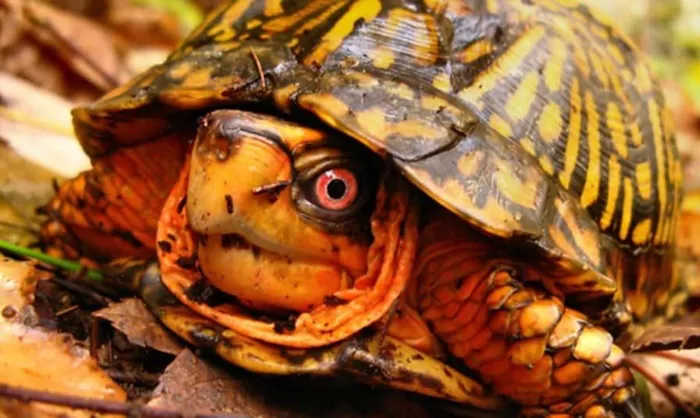
The eastern box turtle (Terrapene carolina carolina) is one of the most recognizable and well-studied turtles in North America. Known for its domed shell, colorful patterns, and ability to fully close itself inside its shell, the eastern box turtle has long fascinated scientists, pet owners, and nature lovers alike. But while many people are familiar with what this turtle looks like, fewer know the details of where it lives. Understanding the habitat and distribution of the eastern box turtle is essential for its conservation and survival in the wild.
In this article, we will explore in detail the geographic range, preferred environments, seasonal movements, environmental needs, and threats to the eastern box turtle’s habitat. This knowledge is essential for conservationists, herpetologists, and anyone interested in preserving one of America’s most beloved native reptiles.
Geographic Distribution
The eastern box turtle is native to the eastern and central regions of the United States. It has a wide range, but its distribution is not uniform. Some regions support large, healthy populations, while others have experienced declines due to habitat destruction and other threats.
States Where Eastern Box Turtles Are Found
Eastern box turtles are found from Maine in the north down through Florida in the south. Their westernmost range extends into eastern Kansas, Oklahoma, and parts of Texas. This makes their distribution cover much of the southeastern and central United States.
The core of their population is often associated with states like:
North Carolina
South Carolina
Virginia
Tennessee
Kentucky
Georgia
Pennsylvania
Ohio
These areas offer the most suitable habitats and climates for the species to thrive year-round.
Northern and Southern Limits
In the northernmost parts of their range, such as in New York and Pennsylvania, box turtles experience cold winters. They adapt by burrowing into the soil to hibernate. In the southern parts of their range, such as Alabama and Florida, they remain more active throughout the year, with only brief periods of inactivity during extreme heat or dry seasons.
Preferred Habitats
Eastern box turtles are primarily terrestrial. They prefer habitats that are moist, shaded, and full of vegetation. Unlike aquatic turtles, they do not live in ponds or lakes, although they do need access to water for hydration and soaking.
Forests and Woodlands
Deciduous and mixed hardwood forests are the most common habitat for the eastern box turtle. These forests offer leaf litter, soft soil, logs, and abundant cover. The moist undergrowth and presence of fungi, berries, and insects provide food and shelter.
Woodlands also provide the right balance of sunlight and shade. Box turtles use sunspots to regulate their body temperature through basking, but they also require shady spots to cool down during the heat of the day.
Meadows and Grasslands Near Forests
Turtles are sometimes found in open meadows or grasslands, especially when these areas are adjacent to forests. These spaces often have ample food, such as berries, worms, and insects. However, turtles in open areas are more vulnerable to predators and temperature extremes.
Wetlands and Moist Bottomlands
Box turtles are also found near streams, swamps, and wet bottomlands. These areas often have soft, moist soil that is easy for turtles to dig into for laying eggs or hibernating. The high humidity in these zones also helps turtles avoid dehydration.
Microhabitats Within the Landscape
While the general environment is important, box turtles also select specific microhabitats that meet their immediate needs.
Leaf Litter and Log Piles
Turtles often rest under leaves, rotting logs, or shrubs. These microhabitats offer moisture and protection from predators. They also attract insects and other small animals that turtles may eat.
Sunlit Openings
Although they prefer shaded areas, box turtles also need sunlight to regulate their temperature. They will often move into small clearings or sunlit forest paths to bask. After warming up, they return to more shaded areas to avoid overheating.
Burrowing Sites
During the winter, especially in colder climates, box turtles dig burrows in soft soil to hibernate. These burrows are often located under leaf piles, near tree roots, or at the base of hills. The exact location must provide enough insulation from freezing temperatures while still allowing oxygen to enter.
Elevation and Terrain
Eastern box turtles are usually found at low to mid elevations. They avoid high mountainous regions where temperatures are too cold, or terrain is too rugged. However, they are adaptable to many types of terrain within their elevation range, including:
Rolling hills
Flat lowlands
River valleys
Gently sloping woodlands
They avoid steep, rocky, or arid locations that do not offer suitable shelter or water.
Climate Requirements
Box turtles thrive in warm, humid climates. They are ectothermic, meaning they rely on external temperatures to regulate their body heat. As a result, they are highly influenced by the climate of their habitat.
Temperature Preferences
They are most active when temperatures range between 70°F and 85°F (21°C to 29°C). When it becomes too hot or too cold, they will burrow underground or seek shelter under vegetation.
Humidity
Humidity is a critical factor in their survival. Turtles can become dehydrated quickly if the environment is too dry. That is why box turtles are seldom found in arid regions. Their skin and shell must remain moist, especially during activity and digestion.
Seasonal Movement and Range
Box turtles are generally non-migratory. They live their entire lives within a very small home range. In fact, most individuals will not travel more than a few hundred meters from their birthplace during their lifetime.
Home Range Size
A typical home range is less than two acres. Males may have slightly larger ranges than females, especially during mating season. Turtles use familiar paths, shelters, and feeding grounds repeatedly, and they often return to the same hibernation spot each year.
Movement Patterns
Box turtles are most active during spring and early summer. During these months, they forage for food, mate, and prepare for egg-laying. In autumn, they slow down and begin looking for a suitable place to hibernate. In the winter, they remain buried and inactive.
Threats to Habitat
Box turtles face numerous threats that affect where they can live and how they survive.
Habitat Destruction
The most significant threat is habitat destruction. Urban development, agriculture, and road construction have destroyed or fragmented many of the forests and wetlands where box turtles live. As these areas are lost, turtle populations decline.
Fragmentation
Even when some habitat remains, it may be broken into smaller, isolated patches. This makes it harder for turtles to find mates, locate food, or escape predators. It also increases the risk of road mortality as turtles attempt to move between fragments.
Pollution
Pesticides, fertilizers, and industrial waste can poison the soil and water turtles depend on. These chemicals may kill insects, worms, and plants that make up the turtle’s diet. They may also cause long-term harm to turtle health.
Climate Change
Changes in climate patterns are affecting turtle habitats. Drier summers, unpredictable rains, and harsher winters can disrupt the turtle’s seasonal rhythms. Eggs may not hatch successfully, and juveniles may not survive in shifting climates.
Conservation of Habitat
Several efforts are underway to protect the eastern box turtle and the habitats it depends on.
Protected Areas
Many state parks, wildlife refuges, and nature reserves provide safe homes for box turtles. These protected areas often contain large tracts of forest and wetland, free from urban development and pollution.
Habitat Restoration
Some conservation groups work to restore damaged habitats. This includes planting native trees, removing invasive species, cleaning up polluted streams, and reestablishing forest undergrowth.
Road Crossings and Barriers
In areas where turtles frequently cross roads, some communities have built wildlife tunnels or turtle fencing. These barriers help reduce turtle deaths and maintain connection between habitat fragments.
Human-Turtle Interactions
Humans can help protect turtle habitats in everyday life.
Avoid Removing Turtles from the Wild
Taking box turtles from their natural habitat for pets disrupts local populations. Most turtles removed from the wild will never breed or return, contributing to population decline.
Yard and Garden Practices
People can help turtles by keeping yards natural. Avoiding pesticides, allowing patches of leaf litter, and planting native plants can create microhabitats that support wild turtles.
Responsible Driving
Box turtles often cross roads, especially during the warmer months. Drivers should be alert for turtles on rural roads, and assist them (safely) across when possible.
Conclusion
The eastern box turtle is a unique and important part of the ecosystems where it lives. Its home range may be small, but it requires a specific set of environmental conditions to survive. Moist forests, access to water, stable temperatures, and protected microhabitats are all essential for its long-term health.
Unfortunately, human activity has put many of these habitats at risk. As development expands and climates shift, the box turtle’s home is shrinking. Understanding where eastern box turtles live is the first step toward protecting their environment.
By conserving forests, reducing pollution, and respecting these animals in the wild, we can ensure that eastern box turtles continue to thrive across their natural range. Protecting their habitat is not just about saving one species—it is about preserving the rich, diverse ecosystems that support life for countless creatures.
Related topics:15