
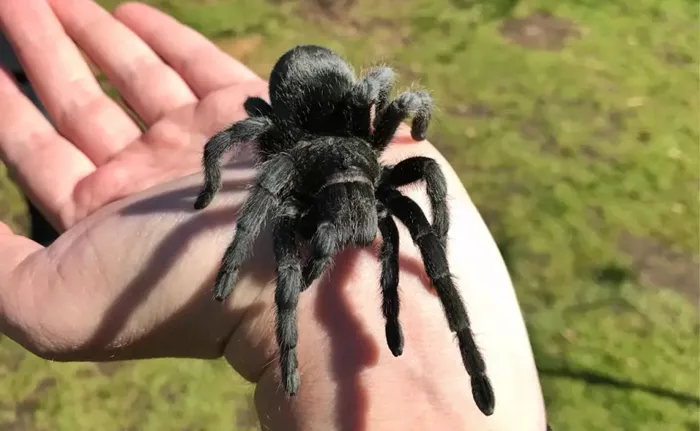
Tarantulas are large, hairy spiders found mostly in warm climates worldwide. They belong to the family Theraphosidae and are famous for their size and sometimes intimidating appearance. Many people keep tarantulas as pets because they are fascinating and generally low-maintenance animals. However, one common question is, what happens if a tarantula bites a human? This question often arises from fear and curiosity.
In reality, tarantulas can bite, but they usually avoid doing so unless they feel threatened or provoked. Their bites are not often dangerous, but understanding the effects and proper response is important for safety and peace of mind.
In this article, we will explore what occurs when a tarantula bites a person. We will examine the biological nature of tarantula venom, the symptoms a person might experience, possible allergic reactions, and the proper first aid and medical treatments. We will also clear up common myths about tarantula bites. By the end, you will have a clear, scientifically informed picture of the risks and realities surrounding tarantula bites.
Tarantula Biology and Venom
Tarantulas are mygalomorph spiders, meaning their fangs strike downward, unlike many other spiders whose fangs move sideways. Their bite apparatus is strong enough to penetrate human skin, and they inject venom when they bite. However, tarantula venom is generally not lethal to humans.
The venom of tarantulas is primarily designed to immobilize prey, such as insects and small animals. It contains a mix of proteins and peptides that affect the nervous system of their prey, leading to paralysis. The exact composition varies between species, but in general, tarantula venom is considered mild to humans.
For humans, the venom may cause localized pain and swelling but rarely results in severe systemic effects. This is unlike dangerous spiders such as black widows or brown recluses, whose venom can cause serious medical problems.
Why Do Tarantulas Bite?
Tarantulas are typically shy and avoid confrontation. They bite humans only when they feel threatened or are provoked, such as during handling or if accidentally touched. The bite is a defensive behavior to discourage predators or threats.
Besides biting, many tarantulas have another defense mechanism: they can flick tiny, irritating hairs (called urticating hairs) from their abdomen. These hairs can cause skin irritation or eye problems if they contact sensitive areas.
Therefore, a tarantula bite often happens only after warning signs or defensive behavior, or if the spider feels cornered.
Symptoms of a Tarantula Bite
If a tarantula bites you, the symptoms usually appear quickly but remain localized. The most common effects include:
−Sharp pain at the bite site, sometimes described as a mild sting or burning sensation.
−Redness and swelling around the area of the bite.
−Itching or irritation may follow as the venom affects tissues.
−Minor bleeding might occur if the bite breaks the skin.
In rare cases, some individuals might experience more pronounced symptoms such as muscle cramps, nausea, or headaches. These effects depend on the species of tarantula and individual sensitivity.
Are Tarantula Bites Dangerous?
For most people, tarantula bites are not dangerous and heal on their own without complications. However, certain risks exist:
Allergic reactions: Some people might have allergic reactions ranging from mild hives or swelling to severe anaphylaxis. This is rare but can be life-threatening and requires immediate medical attention.
Infections: Like any puncture wound, a tarantula bite can become infected if not properly cleaned.
Secondary effects: The irritation caused by urticating hairs can complicate the situation if the hairs enter the wound or contact the eyes.
Overall, the danger posed by tarantula bites is low compared to many other spider species.
First Aid for a Tarantula Bite
If bitten, it is important to remain calm. Follow these first aid steps:
Clean the wound: Use soap and water to gently clean the bite area to reduce infection risk.
Apply a cold compress: This helps reduce pain and swelling. Use a cloth-wrapped ice pack for 10-15 minutes.
Take pain relievers: Over-the-counter medications like ibuprofen or acetaminophen can relieve pain and inflammation.
Monitor symptoms: Watch for signs of allergic reaction such as difficulty breathing, swelling beyond the bite area, or severe pain.
Seek medical help if needed: If symptoms worsen or an allergic reaction develops, see a doctor immediately.
When to See a Doctor
Most tarantula bites do not require professional medical treatment. However, seek medical care if you experience:
−Severe swelling or spreading redness
−Signs of infection like pus, warmth, or fever
−Symptoms of allergy including rash, swelling of face or throat, difficulty breathing
−Intense pain that does not improve with home care
Doctors may prescribe antibiotics for infections or antihistamines/steroids for allergic reactions.
Common Myths About Tarantula Bites
Many myths exaggerate the danger of tarantula bites. Some believe tarantula venom is deadly to humans, or that bites cause severe illness or permanent damage. Scientific evidence does not support these ideas.
Tarantulas are not aggressive toward humans and usually only bite when provoked. The bite pain is often compared to a bee sting, and serious complications are rare.
Conclusion
Tarantula bites can be painful but are rarely dangerous to humans. The venom is designed to subdue prey, not to harm people seriously. Most bites cause only minor localized symptoms that resolve without intervention. Allergic reactions and infections are the main concerns but are uncommon.
Proper care after a bite includes cleaning the wound, managing pain, and monitoring for unusual symptoms. Understanding tarantula behavior helps prevent bites by respecting their space and avoiding unnecessary handling.
If you keep tarantulas as pets, handling them gently and knowing the basics of bite treatment ensures a safe experience for both you and your spider.
Related topics: