
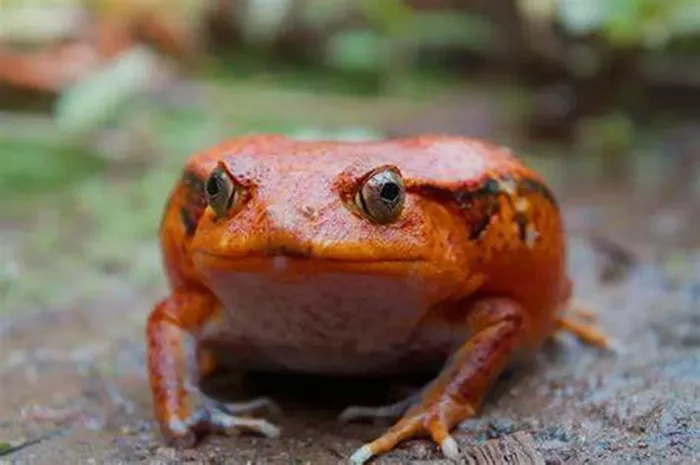
Tomato frogs are unique and colorful amphibians that many people enjoy keeping as pets. They are called tomato frogs because of their bright red or orange skin, which looks similar to a ripe tomato. These frogs are native to Madagascar, an island known for its rich and diverse wildlife. Caring for a tomato frog requires understanding their natural habitat, diet, behavior, and health needs.
In this article, you will learn everything you need to know about taking care of a tomato frog. We will cover their natural history, how to set up their home, what to feed them, and how to keep them healthy and happy. By following this guide, you can provide a safe and comfortable environment for your tomato frog to thrive.
Introduction to Tomato Frogs
Tomato frogs belong to the genus Dyscophus. There are several species, but the most common one kept as a pet is the Dyscophus antongilii, often called the Antongili tomato frog. These frogs are medium-sized and have a round, plump body. Their bright color is a warning signal to predators that they may be toxic. When threatened, tomato frogs can secrete a sticky, white substance that irritates the skin and eyes of potential predators.
Tomato frogs are primarily nocturnal, meaning they are active at night. In the wild, they live in tropical rainforests, wetlands, and swampy areas. They spend a lot of time hidden under leaves or mud during the day to avoid predators and to stay moist. This behavior is important to consider when creating their habitat in captivity.
Setting Up the Habitat for a Tomato Frog
Creating the right environment for your tomato frog is one of the most important steps in caring for it. The habitat needs to mimic the frog’s natural environment as closely as possible. Here are the key points to consider:
Tank Size
Tomato frogs do not require very large tanks. A 10 to 20-gallon tank is usually sufficient for one frog. However, if you plan to keep more than one, increase the tank size accordingly. It is important to give each frog enough space to move around comfortably.
Substrate
The substrate is the material that covers the bottom of the tank. Tomato frogs love to burrow, so you should use a substrate that is soft and moisture-retaining. Coconut fiber, sphagnum moss, or a mix of soil and peat moss works well. The substrate should be kept damp but not soaking wet to maintain humidity.
Temperature
Tomato frogs prefer warm temperatures. The ideal daytime temperature should be between 75°F and 85°F (24°C to 29°C). At night, the temperature can drop slightly but should not fall below 70°F (21°C). Use a reliable thermometer to monitor the temperature inside the tank.
Humidity
Humidity is very important for tomato frogs because they breathe partly through their skin, which needs to stay moist. Maintain humidity levels between 70% and 90%. To do this, mist the tank once or twice a day using a spray bottle filled with clean water. You can also add a shallow water dish to help increase humidity and provide a place for the frog to soak.
Lighting
Since tomato frogs are nocturnal, they do not require strong lighting. Use low-wattage bulbs or LED lights on a timer to simulate a day-night cycle. Keep the lights on for about 10 to 12 hours a day to mimic natural conditions. Avoid direct sunlight as it can overheat the tank and dry out the environment.
Decorations and Hiding Places
Provide hiding spots such as small caves, logs, or plants. Live or artificial plants can be added to create a natural look and give the frog places to hide. Hiding places help reduce stress and make the frog feel safe.
Feeding Your Tomato Frog
Tomato frogs are carnivores, meaning they eat mostly insects and other small animals. In captivity, you need to provide a balanced diet that meets their nutritional needs.
What to Feed
Tomato frogs mainly eat live insects such as crickets, mealworms, waxworms, and roaches. You can also offer other small invertebrates like earthworms or small caterpillars. Variety is important to keep your frog healthy.
Feeding Frequency
Young tomato frogs (juveniles) should be fed every day or every other day because they are growing quickly. Adult frogs can be fed two to three times per week. Avoid overfeeding, as this can cause obesity and health problems.
Supplementing Diet
To ensure your frog gets enough vitamins and minerals, dust the insects with a calcium supplement before feeding. A vitamin supplement with vitamin D3 can be given once or twice a week. This helps prevent metabolic bone disease, a common health problem in captive amphibians.
Feeding Tips
Use feeding tongs to offer insects to your frog. This helps avoid accidental bites and prevents the insects from hiding inside the tank. Remove any uneaten insects after 30 minutes to avoid stress or injury to your frog.
Water and Hydration
Water is vital for tomato frogs. They need access to clean, fresh water at all times.
Water Dish
Place a shallow water dish in the tank. The dish should be large enough for the frog to soak in but not too deep to avoid drowning risks. Change the water daily to keep it clean.
Water Quality
Use dechlorinated or filtered water for misting and the water dish. Tap water often contains chlorine or other chemicals that can harm amphibians. You can treat tap water with water conditioners available at pet stores.
Health and Common Problems
Keeping your tomato frog healthy requires attention to its behavior, diet, and habitat conditions. Here are some common health issues and how to prevent or treat them:
Skin Problems
Because frogs breathe through their skin, it must stay moist and clean. Dry skin or sores can be signs of poor humidity or bacterial infections. Keep the tank moist and clean the substrate regularly to prevent these problems.
Infections
Fungal and bacterial infections can occur if the habitat is dirty or too wet. Watch for signs like discoloration, lethargy, or loss of appetite. If you notice these symptoms, consult a veterinarian who specializes in amphibians.
Parasites
Tomato frogs can sometimes get internal or external parasites. Signs include weight loss, unusual feces, or skin irritation. Regular vet check-ups can help catch parasites early.
Stress
Stress can weaken a frog’s immune system. Stress causes include loud noises, sudden changes in environment, overcrowding, or handling too often. Provide a quiet, stable environment and avoid excessive handling.
Handling and Interaction
Tomato frogs are not aggressive, but they are sensitive animals.
Handling Tips
Try to minimize handling because it can stress the frog and harm its delicate skin. When you do handle your frog, make sure your hands are clean and wet to protect the frog’s skin from oils and chemicals. Use gentle movements to avoid injury.
Behavior
Tomato frogs are mostly active at night and may be shy during the day. They communicate by inflating their bodies or secreting a sticky substance when frightened. Understanding their behavior helps you know when to give them space.
Breeding Tomato Frogs
Breeding tomato frogs in captivity is possible but requires careful preparation.
Conditions for Breeding
You need to simulate the rainy season by increasing humidity and slightly lowering temperatures. Provide a shallow water area for the female to lay eggs.
Eggs and Tadpoles
Tomato frogs lay hundreds of eggs in water. The eggs hatch into tadpoles that live in water until they metamorphose into small frogs. Proper care of the tadpoles includes clean water, appropriate food like algae or tadpole pellets, and maintaining water temperature around 75°F (24°C).
Raising Young Frogs
Once the tadpoles become frogs, they can be fed small insects. Keep young frogs separate from adults to avoid aggression.
Cleaning and Maintenance
Regular cleaning keeps your tomato frog healthy and comfortable.
Cleaning the Tank
Spot clean daily by removing waste and uneaten food. Deep clean the tank every 2 to 4 weeks by replacing the substrate and washing decorations with warm water. Avoid using soap or harsh chemicals.
Monitoring Conditions
Check temperature and humidity daily. Adjust misting and heating as needed to keep conditions stable.
Conclusion
Taking care of a tomato frog involves creating a suitable habitat, feeding the right diet, providing clean water, and monitoring health closely. These frogs are beautiful and interesting pets, but they require careful attention to their environment and well-being. By following the advice in this article, you can enjoy watching your tomato frog live a happy and healthy life.
If you are new to amphibians, start slowly and learn about their needs over time. With patience and care, your tomato frog can be a rewarding and long-lived companion.
Related topic
- Why Are Tomato Frogs Red?
- Are Blue Poison Dart Frogs Poisonous to Humans?
- Where Do Blue Poison Dart Frogs Live?