
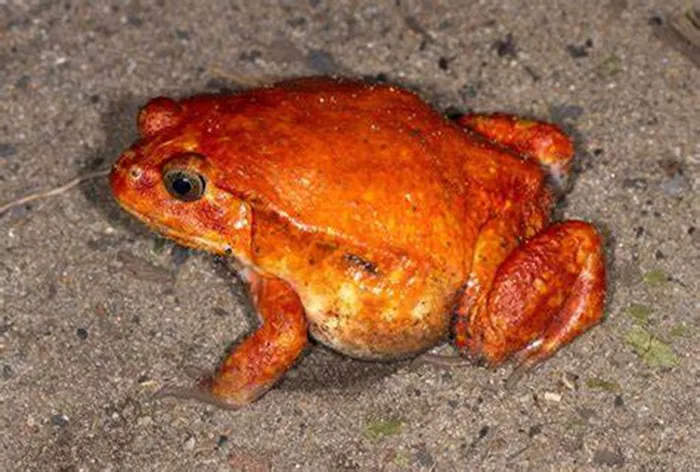
Tomato frogs are fascinating amphibians known for their bright red color. These frogs get their name because their skin looks very much like a ripe tomato. People often wonder why these frogs are red and what purpose this striking color serves. In this article, we will explore the biology, habitat, behavior, and evolutionary reasons behind the tomato frog’s vivid red coloration. We will also discuss how their color helps them survive in the wild and the unique features of this species.
Introduction to Tomato Frogs
Tomato frogs belong to the genus Dyscophus and are native to Madagascar, an island with rich biodiversity. There are three species in this genus, but the most well-known is the Dyscophus antongilii, commonly called the tomato frog. This frog is medium-sized and has a plump, rounded body covered with smooth skin that ranges from bright red to orange-red.
The tomato frog’s color is unusual among frogs. Many frogs are green, brown, or gray to blend into leaves or soil. But tomato frogs stand out with their bold, red appearance. Understanding why tomato frogs have such a unique color requires looking at their environment, predators, diet, and biology.
The Role of Color in Amphibians
Color in animals, especially amphibians, often serves important functions. It can be used for camouflage, attracting mates, warning predators, or regulating temperature. Amphibians are particularly known for their ability to blend into their surroundings using various shades of green, brown, and other earth tones.
In some cases, bright colors in frogs are a warning sign called aposematism. Aposematic animals use bright colors to warn predators that they are toxic or taste bad. For example, poison dart frogs use vivid colors to warn birds and snakes to stay away. Tomato frogs are not poisonous in the same way, but they have other defense mechanisms linked to their color.
Why Tomato Frogs Are Red
The tomato frog’s red color comes from special pigments in its skin. These pigments belong to a group called carotenoids, which are also responsible for the red, orange, and yellow colors in many plants and animals. Carotenoids are important because animals cannot produce them by themselves; they must obtain these pigments from their diet.
Tomato frogs eat insects and other small invertebrates that contain carotenoids. These pigments accumulate in the frog’s skin cells, producing the rich red color. The red color can vary between individuals depending on age, health, diet, and environmental factors.
Aposematism and Predator Defense
One key reason tomato frogs are red is to warn predators. Their bright color signals that they are not easy prey. When threatened, tomato frogs secrete a sticky, toxic substance from their skin. This secretion irritates the eyes and mouths of predators, making the frogs unappealing to eat.
The red coloration works as a visual warning that helps predators remember to avoid tomato frogs. This reduces the chances of the frogs being attacked. It is an example of aposematism, where color is a protective adaptation. Predators learn to associate bright red with unpleasant experiences.
Camouflage in Their Habitat
Even though tomato frogs are brightly colored, they can still hide in their natural habitat. These frogs live in the rainforests and wetlands of Madagascar, where fallen leaves and red-orange soils provide good background colors.
During the dry season, many leaves turn brown and red, which can help the tomato frog blend in. Also, tomato frogs tend to stay near water and under leaf litter, where their red color is less obvious against the reddish soil and dead leaves. Thus, their color provides some camouflage despite being bright.
Sexual Selection and Mating
Color may also play a role in reproduction. In many animals, bright colors are used to attract mates. Female tomato frogs may prefer males with more vibrant red coloring because it signals good health and strong genetics.
During mating season, males often become more intensely colored. This color change helps females identify the best partners. Brighter males tend to be more active and better at defending territory, which are important traits for reproduction success.
Tomato Frog Skin Structure
The skin of tomato frogs is different from many other amphibians. It is thick and smooth with glands that produce their toxic secretion. The skin contains special cells called chromatophores, which are responsible for their color.
There are three types of chromatophores involved: melanophores (black or brown pigment), iridophores (reflective, light-producing cells), and xanthophores (yellow, orange, or red pigment). The red color mainly comes from the xanthophores loaded with carotenoids.
The interaction between these chromatophores produces the bright, uniform red color of tomato frogs. When the frog is healthy and well-fed, the red color is more intense.
The Importance of Carotenoids in Frog Coloration
Carotenoids are organic pigments found in many plants and animals. Animals usually get carotenoids from eating fruits, vegetables, and insects. These pigments have several functions beyond color, such as antioxidants that protect cells from damage.
In tomato frogs, carotenoids are critical for maintaining their red color. Without enough carotenoids in their diet, the frogs’ skin color fades or becomes dull. This can affect their ability to warn predators or attract mates.
The availability of carotenoids in the environment, therefore, impacts the frog’s survival and reproductive success.
Comparison With Other Red Frogs
Tomato frogs are not the only red amphibians. Some poison dart frogs and tree frogs also display bright red or orange colors. However, the reason behind their colors can be different.
For example, poison dart frogs are highly toxic and use their color to warn predators of danger. Tomato frogs are less toxic but rely on their secretion combined with bright coloration as a defense.
Some tree frogs may be red to blend into flowers or fruits, showing camouflage instead of warning. Tomato frogs represent a unique combination of aposematism and camouflage that fits their specific environment.
Conclusion
The tomato frog’s red color is an important adaptation shaped by evolution. It helps these frogs defend themselves by warning predators of their toxic secretions. The red color also plays a role in mating and survival by signaling health and blending into the reddish forest floor.
This vivid coloration comes from carotenoid pigments obtained through diet and produced by specialized skin cells. The tomato frog is a remarkable example of how color in animals can serve multiple purposes, including defense, communication, and camouflage.
Understanding why tomato frogs are red deepens our appreciation for the complex relationships between animals and their environments. Protecting these beautiful frogs and their habitats will help maintain the incredible biodiversity of Madagascar.
Related topic