
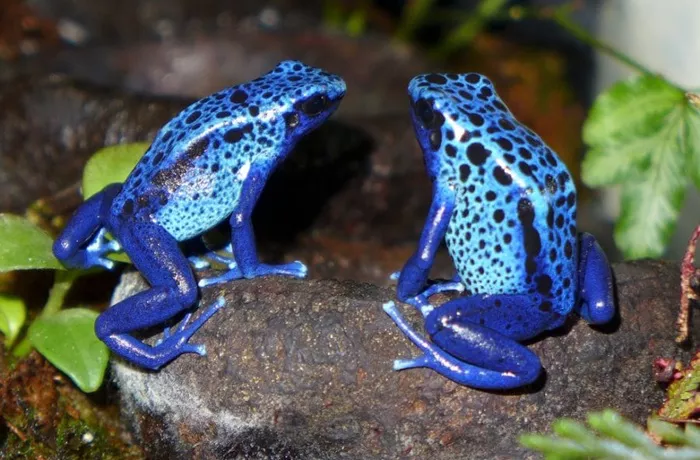
Blue poison dart frogs are among the most beautiful and fascinating amphibians in the world. Their vibrant blue color and striking patterns make them popular in zoos and among amphibian enthusiasts. These frogs are native to the rainforests of South America, mainly in countries like Suriname, Guyana, and French Guiana. However, despite their beauty and popularity, blue poison dart frogs face serious threats in the wild. Over the years, their populations have declined, and they are now considered endangered.
This article will explore the reasons why blue poison dart frogs are endangered. We will look at their natural habitat, their biology, and the threats they face from humans and the environment. By understanding these factors, we can better appreciate the importance of protecting these unique frogs and their ecosystems.
What Are Blue Poison Dart Frogs?
Blue poison dart frogs belong to the species Dendrobates tinctorius “azureus”. They are small amphibians, usually about 1.5 to 2 inches long. Their skin is bright blue with black spots, which serves as a warning to predators that they are poisonous. This poison comes from the insects they eat in the wild.
These frogs are active during the day and live mostly on the forest floor. They spend a lot of time near water sources such as streams and ponds, which are essential for their breeding. Blue poison dart frogs are important members of their ecosystem because they help control insect populations.
Habitat of Blue Poison Dart Frogs
The natural habitat of blue poison dart frogs is the tropical rainforest. These forests provide a warm, humid environment with plenty of cover and food. The rainforests where these frogs live are dense and have a rich diversity of plants and animals.
Blue poison dart frogs rely on the forest for shelter, food, and breeding sites. They need moist environments to keep their skin hydrated. Tadpoles develop in small pools of water, often in bromeliad plants or tree holes. These microhabitats are vital for their life cycle.
Unfortunately, the rainforests are shrinking. Logging, farming, and urban expansion reduce the areas where these frogs can live. Habitat loss is one of the biggest threats to their survival.
Why Are Blue Poison Dart Frogs Endangered?
There are several reasons why blue poison dart frogs are endangered. These reasons are linked to human activities and natural challenges. Below, we explore the main causes.
Habitat Destruction
One of the biggest threats to blue poison dart frogs is habitat destruction. The rainforests where they live are being cut down for timber and cleared for agriculture. When trees are removed, the forest loses its humidity and shelter. This makes the environment unsuitable for the frogs.
Logging roads and farming fields break up the continuous forest into smaller patches. This fragmentation isolates frog populations and limits their ability to move and find mates. Small, isolated populations are more vulnerable to extinction.
Additionally, the destruction of breeding sites, such as water-filled tree holes, reduces the frogs’ chances of reproducing successfully. Without suitable places to lay eggs and raise tadpoles, the population declines.
Pollution
Pollution is another serious threat to blue poison dart frogs. Chemicals from farming, mining, and industry can enter streams and ponds in the rainforest. These chemicals contaminate the water where frogs live and breed.
Frogs have permeable skin, meaning they can absorb substances directly from their environment. Pollutants such as pesticides, heavy metals, and fertilizers can be toxic to them. Exposure to these substances can cause deformities, reduce fertility, or kill the frogs outright.
Pollution also affects the insects frogs eat. If these insects are contaminated, the frogs may not get the nutrients they need to produce their skin toxins, weakening their defense against predators.
Climate Change
Climate change affects blue poison dart frogs by altering their habitat. Changes in temperature and rainfall patterns can make the rainforest less hospitable. For example, longer dry seasons can reduce humidity and dry up breeding pools.
Frogs are sensitive to temperature because they rely on external heat to regulate their body functions. If temperatures become too high or fluctuate too much, it can cause stress and lower survival rates.
Moreover, climate change can affect the timing of breeding. If frogs breed too early or too late compared to the availability of water or food, their offspring may not survive.
Illegal Pet Trade
Blue poison dart frogs are popular pets because of their striking color and small size. Unfortunately, this demand has led to illegal collection from the wild.
Collectors often capture frogs without regard for the population size or breeding season. Removing large numbers of frogs from the wild can quickly reduce local populations.
Illegal trade also creates risks of disease spread. Frogs transported in poor conditions may carry or catch infections, which can spread to wild populations if released or escaped.
Although captive breeding programs exist, illegal wild capture remains a problem in some areas.
Disease
Disease is a growing threat to amphibians worldwide, including blue poison dart frogs. One of the most dangerous diseases is chytridiomycosis, caused by a fungus known as Batrachochytrium dendrobatidis (Bd).
This fungal infection affects the skin of amphibians, disrupting their ability to absorb water and breathe. Many frog populations have suffered dramatic declines due to this disease.
Blue poison dart frogs may be at risk from chytrid fungus, especially when stressed by other factors like habitat loss or pollution. Disease outbreaks can cause local extinctions if not controlled.
The Importance of Blue Poison Dart Frogs
Blue poison dart frogs play a vital role in their ecosystems. As insect predators, they help keep insect populations balanced. This control can reduce the spread of pests and diseases.Their bright colors also make them important for scientific research. Studying their skin toxins has led to discoveries about potential medicines and painkillers.From a cultural standpoint, these frogs hold value for indigenous peoples and are part of the natural heritage of their regions.At the same time, protecting blue poison dart frogs means protecting the rainforest and many other species that depend on it.
Conservation Efforts
Efforts to protect blue poison dart frogs are underway but need strengthening. Some of the key conservation strategies include:
Habitat Protection
Protecting the rainforests where the frogs live is crucial. National parks and reserves help preserve natural habitats from logging and farming.
Restoring damaged forests by planting native trees can reconnect fragmented habitats. This allows frog populations to expand and interbreed.
Pollution Control
Reducing the use of harmful chemicals near frog habitats is essential. Promoting sustainable farming and mining practices helps protect water quality.
Environmental monitoring can detect pollution early and prevent damage to frog populations.
Captive Breeding Programs
Captive breeding programs in zoos and research centers help maintain frog populations. These programs breed frogs in controlled environments and sometimes reintroduce them into the wild.
Captive frogs also reduce pressure on wild populations by supplying the pet trade legally and ethically.
Disease Management
Research on diseases like chytrid fungus aims to find ways to protect wild frogs. Treating infected frogs and controlling the spread of disease are key goals.
Education and Awareness
Raising public awareness about the importance of blue poison dart frogs encourages support for conservation. Education programs can teach people about the dangers of illegal pet trade and habitat destruction.
Community involvement is often the most effective way to protect frogs and their environments.
Conclusion
Blue poison dart frogs are beautiful and important animals facing many threats. Habitat destruction, pollution, climate change, illegal trade, and disease all contribute to their endangered status. Without immediate and sustained conservation efforts, these frogs risk disappearing from the wild.
Protecting blue poison dart frogs means protecting the rich biodiversity of the rainforests they inhabit. Through habitat conservation, pollution control, captive breeding, and education, we can help ensure these vibrant frogs continue to thrive. Understanding their challenges is the first step toward making a difference.
By caring for blue poison dart frogs, we also care for the health of our planet’s ecosystems, which benefit all life, including humans.
Related topic