
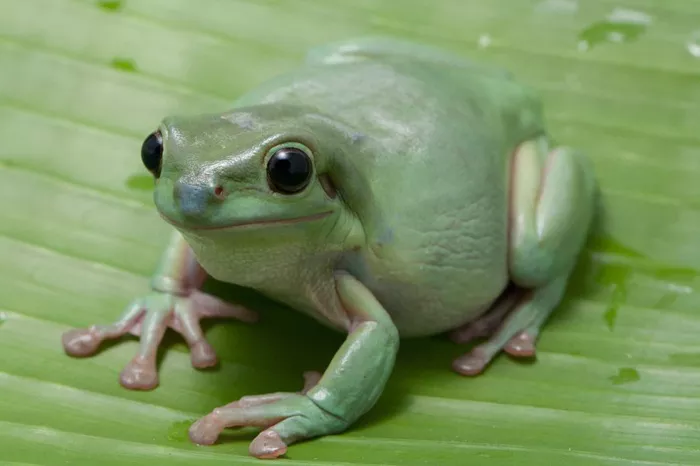
White tree frogs are beautiful amphibians known for their delicate appearance and calm nature. They are popular pets among reptile and amphibian enthusiasts. Feeding your white tree frog properly is essential to keep it healthy and active. A proper diet ensures growth, strong immunity, and overall wellbeing.
Understanding the feeding habits of white tree frogs will help you provide the right nutrition. In the wild, they eat a variety of insects and small invertebrates. As a pet owner, replicating this diet in captivity is important. This guide will provide detailed information about what to feed your white tree frog, how to prepare their meals, and how to maintain a balanced diet for them.
Understanding White Tree Frog Diet
The diet of a white tree frog is primarily insectivorous. In nature, they feed on small insects, spiders, and other tiny creatures. In captivity, their diet should include a variety of live insects to ensure they get all essential nutrients.
Insect Options
White tree frogs thrive on a diet of live insects. Some of the most suitable insects include:
- Crickets – Crickets are rich in protein and easy to find. They are a staple food for many tree frogs. Offer medium-sized crickets to match the size of your frog.
- Fruit Flies – Ideal for young or small frogs. They are easy to digest and provide necessary vitamins and minerals.
- Mealworms – Mealworms are suitable as an occasional treat. They have a high-fat content, so they should not be fed daily.
- Waxworms – Waxworms are fatty insects that can be used sparingly. Overfeeding waxworms may cause obesity in your frog.
- Roaches – Certain small roaches, like Dubia roaches, are nutritious and safe for white tree frogs. They are rich in protein and low in fat.
- Springtails – Small frogs or juvenile white tree frogs can eat springtails, which are tiny and easy to catch.
Supplementing with Gut-Loaded Insects
Gut-loading is the practice of feeding insects nutritious food before offering them to your frog. This increases the nutritional value of the insects. Use foods like leafy greens, carrots, or specially designed insect feed. Gut-loading ensures your frog receives essential vitamins and minerals, especially calcium and vitamin A, which are crucial for bone health and skin condition.
Feeding Juvenile White Tree Frogs
Young frogs, also called froglets, need smaller and more frequent meals. Their metabolism is faster, and they require higher energy to grow properly.
Recommended Food for Froglets
Juvenile white tree frogs can eat small insects such as:
- Pinhead Crickets – Tiny crickets that are easy for small frogs to eat.
- Fruit Flies – Ideal for very small frogs, providing essential nutrients.
- Springtails – Great for the first few weeks after hatching, especially when frogs are less active.
Feeding Frequency for Young Frogs
Feed juvenile frogs 2 to 3 times daily. Provide enough insects that the frog can consume in 10 to 15 minutes. Remove any uneaten insects to prevent stress or harm to your frog.
Feeding Adult White Tree Frogs
Adult white tree frogs have slower metabolism than juveniles but require a balanced diet to maintain health and longevity. Adults should be fed every other day or three times per week, depending on activity level and size.
Recommended Food for Adult Frogs
Adult frogs can eat a variety of insects, including:
- Medium-sized Crickets – Provide protein and energy for maintenance.
- Dubia Roaches – A nutritious alternative to crickets.
- Occasional Mealworms or Waxworms – As treats due to high-fat content.
- Silkworms – Soft-bodied insects that are easy to digest and high in nutrients.
Supplements for White Tree Frogs
Even with a varied diet, supplements are important to prevent deficiencies. White tree frogs need calcium and vitamins for healthy bones, skin, and overall growth.
Calcium Supplements
Sprinkle calcium powder on insects before feeding. This prevents metabolic bone disease, a common issue in captive frogs. Use calcium with or without vitamin D3 depending on your lighting setup. UVB light can provide natural vitamin D3, which aids calcium absorption.
Vitamin Supplements
Occasional vitamin supplements help maintain immune function and skin health. Use multivitamin powders recommended for amphibians. Dust insects lightly before offering them to your frog, usually once or twice per week.
Feeding Techniques
Feeding white tree frogs requires some care to ensure they eat safely and get the nutrients they need. Frogs are visual hunters and prefer live, moving prey.
Hand Feeding
Some frogs can be trained to eat from tweezers. This allows you to control portion size and monitor intake. Be gentle and avoid stressing the frog.
Free Feeding
Placing insects in the tank allows the frog to hunt naturally. Remove leftover insects after 10 to 15 minutes to prevent them from bothering the frog or hiding in the enclosure.
Hydration and Feeding
Hydration is crucial for proper digestion. Always provide clean, fresh water in a shallow dish. Mist the enclosure regularly to maintain humidity. White tree frogs absorb water through their skin, so hydration supports nutrient absorption and overall health.
Foods to Avoid
Not all insects are safe for white tree frogs. Avoid feeding:
- Wild-Caught Insects – They may carry parasites or pesticides.
- Large Insects – Can cause choking or digestive issues.
- Insects with Hard Shells – Such as large beetles, which are difficult to digest.
- Processed Human Foods – Avoid bread, cheese, or vegetables meant for humans.
Signs of a Healthy Diet
Monitoring your frog’s health is the best way to know if its diet is adequate. Healthy white tree frogs will:
- Be active and alert during feeding times.
- Have smooth, bright skin without blemishes.
- Maintain a healthy weight without visible bones.
- Produce regular, normal stools.
Special Considerations
Some white tree frogs may have specific dietary preferences or sensitivities. Observe their behavior and adjust the diet accordingly. Seasonal changes may also affect appetite. During cooler months, feed smaller portions less frequently as metabolism slows down.
Conclusion
Feeding your white tree frog correctly is essential for its health and happiness. A balanced diet of live insects, occasional treats, and necessary supplements ensures proper growth and longevity. Pay attention to feeding techniques, hydration, and the quality of insects. Avoid unsafe foods and monitor your frog’s health closely. With proper care and nutrition, your white tree frog can thrive in captivity, providing a rewarding experience for any amphibian enthusiast.
Related topics: