
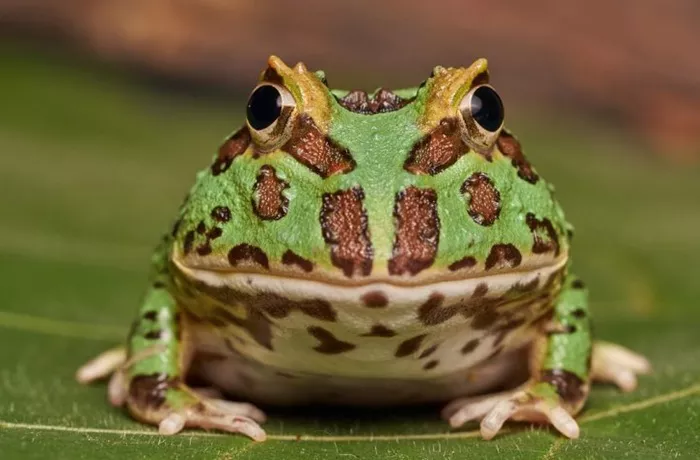
The Argentine horned frog, also known as the Ceratocephalus ornatus or simply the Pacman frog, is one of the most fascinating amphibians in the world. These frogs are known for their large, round bodies, wide mouths, and distinctive horn-like projections above their eyes. They are a popular choice for pet enthusiasts due to their striking appearance and unique behaviors. However, to truly understand these animals, it is important to know where they naturally live and how their environment influences their behavior and survival.
In this article, we will explore the natural habitats of Argentine horned frogs, their environmental preferences, and the factors that affect their distribution. We will also examine how their habitat affects their diet, breeding habits, and behavior. By understanding their natural environment, we gain valuable insight into their care and conservation.
Geographical Distribution
Argentine horned frogs are native to South America. Their primary range includes several countries in the southern part of the continent. Most notably, they are found in:
- Argentina – This is the main country where these frogs are naturally found. They inhabit several regions, particularly in the northeast and central parts of the country.
- Uruguay – Argentine horned frogs are present in grasslands and forests in Uruguay, though they are less common than in Argentina.
- Brazil – Some populations extend into the southern regions of Brazil, where the climate and terrain provide suitable habitats.
- Paraguay – Certain areas of Paraguay, particularly wetlands and grasslands, also support populations of these frogs.
Within these countries, the distribution is not uniform. The frogs are highly dependent on environmental conditions, and they are usually concentrated in areas that offer abundant moisture and shelter.
Preferred Habitats
Argentine horned frogs are highly adaptable but have specific habitat preferences. They are mostly found in lowland regions, including:
- Grasslands – Open grasslands provide ideal conditions for these frogs. The soft soil allows them to burrow and hide from predators.
- Marshes and Wetlands – Moist environments are essential for their survival. These frogs need humidity to maintain healthy skin and to prevent dehydration.
- Forests – They are sometimes found at the edges of forests, where leaf litter and dense vegetation offer protection and hunting opportunities.
The common factor in all these habitats is the presence of loose, damp soil for burrowing, as Argentine horned frogs spend a significant portion of their lives hidden beneath the surface. This behavior helps them avoid predators and ambush prey.
Climate and Environmental Conditions
The climate plays a crucial role in determining where Argentine horned frogs can thrive. These frogs prefer subtropical and temperate climates. Key environmental conditions include:
- Temperature – They thrive in temperatures between 70 and 85 degrees Fahrenheit. Extreme heat or cold can be harmful to them.
- Humidity – High humidity is essential. These frogs require a moist environment for their skin and to aid in respiration.
- Rainfall – Moderate rainfall supports their natural habitats. Seasonal rains influence breeding cycles and food availability.
Regions with these conditions provide the ideal environment for Argentine horned frogs to hunt, reproduce, and survive. Areas that are too dry or cold do not support large populations of these frogs.
Burrowing and Shelter Habits
One of the most notable aspects of Argentine horned frog behavior is their burrowing habit. They spend much of their time partially buried in the soil, with only their eyes and head exposed. This behavior serves multiple purposes:
- Protection – Burrowing allows them to hide from predators, including birds, snakes, and larger mammals.
- Temperature Regulation – Staying underground helps them avoid extreme temperatures during hot or cold periods.
- Hunting – By hiding in soil or leaf litter, they can ambush unsuspecting prey that comes near.
The type of soil in their natural habitat is important. Loose, moist soil makes it easier for them to dig and remain hidden. In contrast, hard or dry soil can make survival challenging.
Diet and Feeding Behavior
The natural habitat of Argentine horned frogs influences their diet. In the wild, they are opportunistic predators, feeding on a wide variety of prey:
- Insects – Crickets, beetles, and other insects form a major part of their diet.
- Small Vertebrates – Frogs, small rodents, and even birds may be eaten if available.
- Other Amphibians – They are known to consume smaller frogs and amphibians in their territory.
The abundance and diversity of prey are directly related to the richness of their habitat. Areas with more vegetation, moisture, and insect populations allow these frogs to thrive and grow larger.
Breeding and Reproduction
Argentine horned frogs have specific breeding requirements tied to their natural habitat. They usually breed during the rainy season when water is abundant. Key aspects of their reproductive behavior include:
- Water Availability – Breeding occurs in temporary ponds, puddles, or flooded grasslands. These water sources are essential for laying eggs.
- Egg Laying – Females lay hundreds of eggs in shallow water, where they develop into tadpoles before metamorphosing into juvenile frogs.
- Habitat Influence – Areas with consistent rainfall and stable water bodies support higher breeding success.
The availability of suitable breeding sites is a critical factor for population sustainability. Habitat destruction or changes in rainfall patterns can significantly affect their reproduction.
Threats to Habitat
While Argentine horned frogs are resilient, they face threats in the wild, primarily due to human activities:
- Agricultural Expansion – Converting grasslands and wetlands into farmland reduces the available habitat.
- Urbanization – Construction and urban development fragment their natural environment.
- Pesticides and Pollution – Chemical use in agriculture can poison frogs and reduce prey availability.
- Climate Change – Changes in rainfall patterns and temperature extremes affect their breeding and survival.
Conservation efforts are important to preserve the natural habitats of Argentine horned frogs. Protecting wetlands, grasslands, and forest edges ensures that these unique amphibians can continue to thrive.
Adaptation to Different Environments
Argentine horned frogs are highly adaptable within their range. They can tolerate a variety of environments as long as key conditions such as moisture, temperature, and prey availability are met. They are less dependent on trees and more on ground cover and burrowing opportunities. This adaptability explains their survival in diverse regions of Argentina, Uruguay, and southern Brazil.
Human Interaction and Captivity
Many Argentine horned frogs are kept as pets worldwide. While their natural habitat is in South America, their adaptability allows them to survive in captivity. Key points to consider include:
- Terrarium Environment – Recreating soil, humidity, and temperature conditions similar to their natural habitat is crucial for their well-being.
- Diet in Captivity – A varied diet of insects and occasional small vertebrates mimics their natural hunting behavior.
- Breeding in Captivity – Providing shallow water for egg-laying and a humid environment encourages natural breeding behaviors.
While captivity offers protection from predators and habitat loss, it also requires careful attention to recreate the conditions these frogs experience in the wild.
Conclusion
Argentine horned frogs are remarkable amphibians with unique adaptations that allow them to thrive in specific South American environments. They primarily inhabit Argentina, Uruguay, southern Brazil, and Paraguay, favoring grasslands, wetlands, and forest edges. Moist soil, consistent humidity, moderate temperatures, and abundant prey are crucial for their survival. These frogs rely on burrowing for protection, hunting, and temperature regulation, while breeding depends on seasonal rainfall and water availability. Human activity, including agriculture, urbanization, and climate change, poses threats to their habitats, making conservation efforts essential. Understanding their natural environment not only enhances appreciation for these fascinating creatures but also provides valuable insights for responsible care and preservation both in the wild and in captivity.
Related topics: