
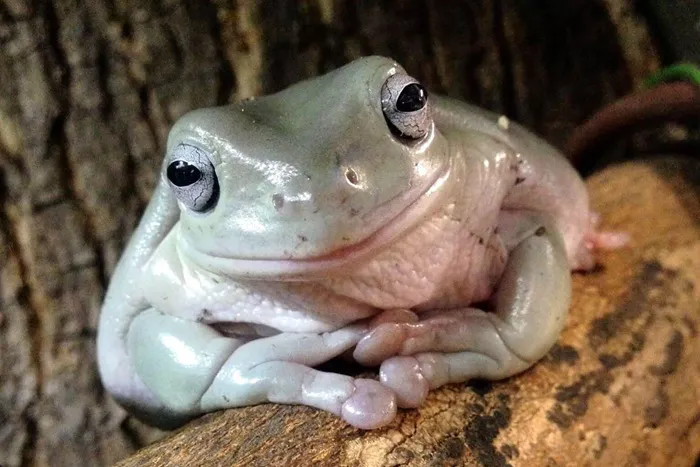
The death of a white tree frog can be a distressing experience for any owner. These frogs are delicate creatures and require proper care. Understanding the reasons for their death is essential to prevent similar losses in the future. In this article, we explore the main causes of death in white tree frogs and provide insights for better care. We will also highlight the signs of stress and disease, along with proper habitat management.
Natural Lifespan of White Tree Frogs
White tree frogs, also known as White’s Tree Frogs or Australian Green Tree Frogs, usually live for 10 to 15 years in captivity. A short lifespan may indicate underlying problems in their environment or care. Young frogs are especially sensitive to changes, while older frogs may die due to natural aging processes. Understanding the normal lifespan is key to identifying abnormal deaths.
Common Causes of Death
Poor Diet and Nutrition
One of the most common reasons for the death of white tree frogs is poor nutrition. Frogs need a balanced diet including live insects like crickets, mealworms, and occasional fruit flies. A lack of vitamins and minerals, especially calcium and vitamin D3, can lead to metabolic bone disease. Overfeeding or feeding unsuitable food can also cause obesity or organ failure.
Improper Habitat Conditions
White tree frogs require specific habitat conditions. Temperature, humidity, and lighting must be carefully controlled. The ideal temperature range is 75-85°F (24-29°C) during the day and slightly cooler at night. Humidity should be maintained at 50-70%. Low humidity can lead to dehydration, while high humidity can promote bacterial and fungal infections. Poorly ventilated enclosures can also cause respiratory issues.
Water Quality Problems
Water is essential for white tree frogs, but poor water quality can be fatal. Tap water often contains chlorine or heavy metals, which are toxic to frogs. Always provide clean, dechlorinated water. Dirty water can harbor harmful bacteria, leading to infections and death. Regular cleaning and water replacement are necessary for maintaining a safe environment.
Infections and Diseases
White tree frogs are susceptible to bacterial, viral, and fungal infections. Common signs of illness include lethargy, loss of appetite, skin discoloration, and bloating. Chytrid fungus is particularly dangerous and can lead to mass mortality in frogs. Bacterial infections may cause skin lesions or septicemia. Prompt diagnosis and treatment are critical to prevent death.
Stress and Environmental Changes
Stress is a major factor in frog mortality. Frogs can become stressed due to frequent handling, loud noises, or sudden changes in temperature or lighting. Stress weakens their immune system, making them vulnerable to infections. Providing hiding spots, stable conditions, and minimal handling can reduce stress significantly.
Improper Handling
Handling frogs incorrectly can cause physical injury or stress. Frogs have delicate skin that absorbs chemicals from hands. Oils, soaps, or lotions can be harmful. Rough handling can lead to broken limbs or internal injuries. Always use wet, clean hands or gloves when handling frogs, and minimize physical contact whenever possible.
Parasites
Internal and external parasites can be deadly. Parasites may live in the digestive tract, causing weight loss, diarrhea, and weakness. External parasites, such as mites, irritate the skin and can lead to infections. Regular monitoring and veterinary care are important to detect and treat parasitic infestations early.
Signs That Indicate Health Problems
Behavioral Changes
Changes in behavior often indicate a health problem. Frogs that are unusually lethargic, stop eating, or hide excessively may be ill. Aggressive or erratic behavior can also indicate stress or disease. Observing daily habits is crucial to early detection of problems.
Physical Symptoms
Physical changes in the frog’s body are warning signs. Look for skin discoloration, swelling, ulcers, or shedding problems. Eye cloudiness, bloating, and abnormal postures are also indicators. Catching these signs early can prevent death if treatment is started in time.
Preventing Death in White Tree Frogs
Provide a Balanced Diet
Ensure that your frog receives a varied diet. Offer live insects regularly and dust them with calcium and vitamin supplements. Avoid overfeeding and remove uneaten food promptly. A well-nourished frog is more resistant to disease and stress.
Maintain Optimal Habitat
Set up the enclosure correctly. Use a secure, well-ventilated terrarium. Maintain proper temperature and humidity using thermometers and hygrometers. Include hiding spots, plants, and branches to mimic their natural environment. Avoid sudden environmental changes that can stress the frog.
Keep Water Clean
Provide clean, dechlorinated water at all times. Replace water daily or as needed, and clean the water dish regularly. Monitor water quality to prevent bacterial and fungal growth. A clean aquatic environment is critical to frog health.
Reduce Stress
Minimize handling and avoid loud noises around the frog. Keep the terrarium in a stable, quiet location. Providing adequate hiding places and enrichment helps the frog feel secure. Reducing stress enhances immune function and longevity.
Regular Health Monitoring
Check your frog daily for signs of illness or parasites. Maintain a log of feeding, behavior, and any physical changes. Early detection of health problems allows for timely treatment and can prevent fatal outcomes.
Seek Veterinary Care
If your frog shows signs of illness, consult a veterinarian experienced with amphibians. Frogs may require antibiotics, antifungal treatments, or supportive care. Timely medical attention can save the life of a sick white tree frog.
Environmental Hazards to Avoid
Toxic Substances
White tree frogs absorb chemicals through their skin. Avoid using pesticides, cleaning agents, or fertilizers near the terrarium. Even trace amounts of toxins can cause severe illness or death.
Unsafe Substrate
Some substrates, like sand or gravel, can cause impaction if ingested. Always use safe, non-toxic substrates such as coconut fiber, moss, or paper towels. Proper substrate reduces the risk of digestive problems.
Extreme Temperatures
Sudden temperature drops or prolonged heat can be fatal. Never place the enclosure near heaters, air conditioners, or direct sunlight without monitoring. Use thermometers to ensure stable temperature conditions.
Conclusion
The death of a white tree frog is often caused by a combination of factors. Poor diet, improper habitat, infections, stress, and environmental hazards are common contributors. By understanding their needs, providing a balanced diet, maintaining a clean and safe environment, and monitoring health closely, you can greatly reduce the risk of mortality. Regular care and vigilance are essential to ensure that your white tree frog lives a long, healthy life. Observing their behavior, preventing stress, and seeking timely veterinary care are key steps for responsible ownership. With proper attention, these delicate amphibians can thrive and provide years of enjoyment to their caregivers.
Related topics: