
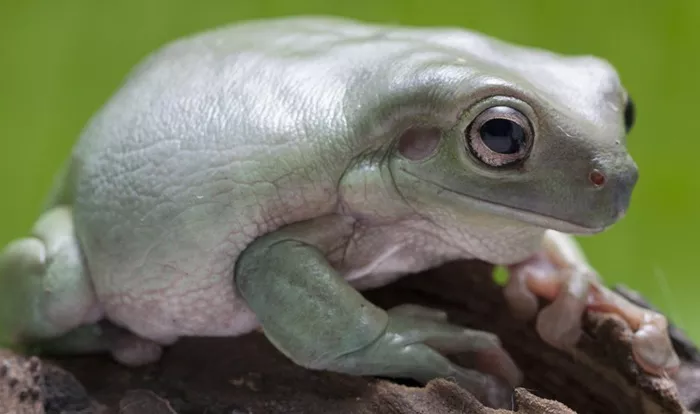
White’s tree frogs, also known as Australian green tree frogs, are popular pets due to their calm temperament and distinctive appearance. Despite their hardy nature, these amphibians can experience stress, which can affect their health and behavior. Recognizing stress early is essential for providing proper care and maintaining their well-being. This article explores the signs of stress in White’s tree frogs, common causes, and strategies for prevention and recovery.
Understanding Stress in White’s Tree Frogs
Stress in White’s tree frogs can be subtle, and it is not always obvious to the untrained eye. Unlike mammals, frogs do not vocalize discomfort in the same way. Stress can manifest through changes in behavior, physical appearance, and appetite. Prolonged stress can weaken the immune system, making frogs more susceptible to illness. Understanding what causes stress and how it appears is crucial for responsible amphibian ownership.
Common Causes of Stress
Improper Habitat Conditions
The environment plays a critical role in a frog’s health. White’s tree frogs need a proper balance of temperature, humidity, and space. Stress can arise from conditions that are too dry, too cold, or too hot. Inadequate hiding spaces or overly bright lighting can also make frogs feel unsafe.
Poor Water Quality
Water quality is essential for amphibian health. Dirty or chlorinated water can irritate the skin and cause stress. Standing water that is not regularly changed can harbor bacteria and fungi, further stressing the frog and compromising its health.
Improper Diet
Feeding is another source of stress. White’s tree frogs require a diet rich in live insects such as crickets, roaches, and occasionally worms. Feeding the wrong type of food or offering food that is too large can cause digestive problems and lead to stress.
Handling Stress
While White’s tree frogs are relatively calm, frequent or improper handling can cause stress. Frogs have delicate skin that absorbs chemicals and oils from human hands, which can irritate them. Handling should be minimal and gentle, using clean, damp hands if necessary.
Environmental Disturbances
Loud noises, vibrations, or frequent changes in the enclosure’s layout can make frogs anxious. They thrive in stable, quiet environments where they can feel secure. Continuous disturbances can elevate stress hormones and disrupt normal behavior.
Physical Signs of Stress
Changes in Skin Color
White’s tree frogs often change their skin color in response to stress. A stressed frog may appear darker or duller than usual. While color changes can also reflect temperature or mood, sudden or prolonged darkening can be a warning sign.
Abnormal Posture
Stress may cause frogs to adopt unusual postures. For example, a frog may curl up tightly, hide more often, or stay pressed against the enclosure walls. Such behaviors indicate discomfort and a desire to escape perceived threats.
Weight Loss or Muscle Wasting
Prolonged stress can lead to reduced appetite and weight loss. Frogs may become thinner, with less muscle tone. Monitoring body condition regularly helps detect early signs of stress.
Behavioral Signs of Stress
Reduced Activity
A stressed White’s tree frog may become less active. Normally, these frogs move around the enclosure, climb, and explore. Reduced movement or hiding all the time may indicate stress.
Changes in Eating Habits
One of the clearest signs of stress is a change in appetite. Stressed frogs may refuse food or eat less than usual. This behavior, if persistent, should be addressed promptly to prevent malnutrition.
Excessive Vocalization
While White’s tree frogs are not typically noisy, excessive or unusual croaking can indicate stress. Frogs may vocalize more when they feel threatened or uncomfortable in their environment.
Avoidance and Hiding
Frogs instinctively seek safety. A stressed frog may spend more time in hiding places or avoid open areas of the enclosure. Over time, this avoidance behavior can affect their health and development.
Health-Related Indicators of Stress
Skin Issues
Amphibians have sensitive skin that can show early signs of stress or illness. Dry patches, excessive shedding, or lesions can indicate that the frog is under physical stress or living in suboptimal conditions.
Respiratory Distress
Rapid or irregular breathing can signal stress or illness. Frogs may also exhibit unusual gaping or mouth movements. Observing respiration patterns regularly is important to catch problems early.
Susceptibility to Illness
Stress weakens the immune system. Stressed White’s tree frogs are more prone to bacterial, fungal, and parasitic infections. Early detection of stress can prevent serious health issues.
Environmental Adjustments to Reduce Stress
Temperature and Humidity Control
Maintaining an appropriate temperature range of 75–85°F during the day and 65–75°F at night is critical. Humidity levels should remain between 50–70%. Using thermometers and hygrometers can help monitor these conditions accurately.
Providing Adequate Hiding Spots
Frogs need places to hide and feel secure. Plants, logs, and bark shelters create safe areas for frogs to retreat. Hiding spots reduce stress by allowing natural behavior and providing a sense of security.
Enclosure Enrichment
Adding branches, climbing structures, and water areas encourages natural behaviors. Enrichment stimulates mental and physical activity, helping to reduce stress and prevent boredom.
Water Quality Maintenance
Regular water changes and dechlorination are essential. Clean water supports healthy skin and prevents bacterial infections. Frogs should have both shallow water for soaking and a deeper area for swimming if possible.
Handling and Interaction Guidelines
Minimal Handling
Handle your White’s tree frog only when necessary. Frequent handling can elevate stress and risk injury. When handling is required, ensure hands are clean, damp, and free of chemicals.
Observation-Based Interaction
Most interaction can be non-invasive. Observing behavior, offering live prey, and providing a naturalistic environment are better for reducing stress than frequent handling.
Gradual Acclimation
If changes to the enclosure or routine are necessary, introduce them gradually. Sudden changes can trigger stress responses. Slow adjustments help frogs adapt without negative effects.
Monitoring Stress Over Time
Regular Behavioral Checks
Observe your frog daily. Note changes in color, activity, appetite, and hiding behavior. Keeping a journal can help track trends and identify stress triggers early.
Weight and Body Condition Tracking
Weigh your frog periodically. Sudden weight loss can indicate stress or illness. Monitoring growth and muscle tone ensures that the frog remains healthy.
Environmental Record Keeping
Documenting temperature, humidity, and feeding schedules helps maintain stable conditions. Correlating environmental changes with behavioral observations can identify stress factors.
When to Consult a Veterinarian
If stress signs persist despite environmental improvements, professional advice is essential. Veterinarians specializing in amphibians can identify underlying health problems and recommend treatment. Early intervention prevents minor stress from developing into serious health issues.
Preventing Stress in White’s Tree Frogs
Stable Habitat
Creating a consistent and suitable environment is the most effective stress prevention strategy. Avoid sudden changes in temperature, humidity, lighting, and enclosure setup.
Proper Nutrition
Providing a varied and appropriate diet prevents stress caused by malnutrition. Offer gut-loaded insects and occasional supplements to ensure optimal health.
Safe Handling Practices
Limit handling and ensure interactions are gentle. This prevents physical stress and skin irritation, helping frogs feel secure in their environment.
Regular Health Monitoring
Routine observation and periodic veterinary checkups help maintain health. Early detection of problems reduces stress and prevents disease.
Conclusion
Recognizing stress in White’s tree frogs is crucial for their health and well-being. Stress can manifest through behavioral changes, physical signs, and health issues. Common causes include improper habitat, poor water quality, inadequate diet, and excessive handling. By observing behavior, maintaining proper environmental conditions, providing hiding places and enrichment, and minimizing handling, owners can reduce stress and support healthy development. Early detection and intervention, including veterinary care when necessary, ensure that your White’s tree frog lives a long, healthy, and stress-free life.
Related topics: