
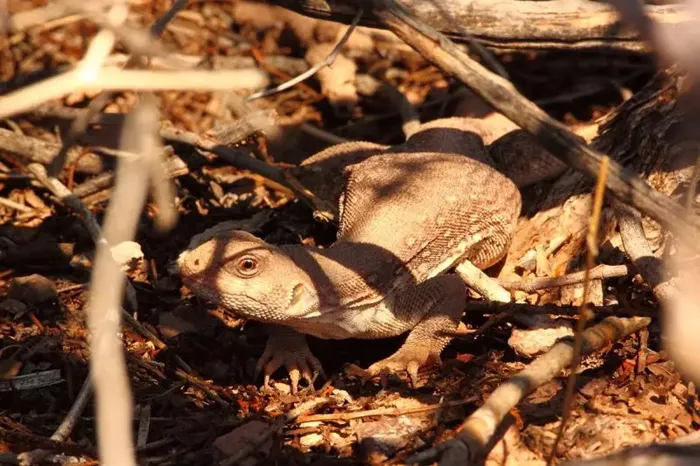
When you spot a desert iguana basking in the scorching sun, you might wonder: how long does this resilient reptile actually live? The answer might surprise you, especially if you think of reptiles as long-lived but slow-paced creatures. The desert iguana (scientific name Dipsosaurus dorsalis) is an incredible species perfectly adapted to some of the hottest and driest places on Earth. But how does its tough lifestyle affect its lifespan? Let’s dive in and explore the fascinating world of desert iguanas, revealing everything you want to know about how long these reptiles live and why.
Meet the Desert Iguana: A Tough Reptile of the American Southwest
Before jumping into lifespan details, it’s helpful to get to know the desert iguana itself. Imagine a creature about as long as a standard ruler — around 16 inches (41 cm) — with a light tan or cream body patterned with soft brown spots and a line of spiky scales down its back. This is the desert iguana, a lizard species native to the Sonoran and Mojave deserts of the southwestern United States and northwestern Mexico.
The name Dipsosaurus dorsalis translates roughly to “thirsty lizard with spiny back,” hinting at its dry desert home and the row of prominent scales running down its spine. These iguanas prefer sandy and rocky habitats under 3,300 feet (1,000 meters) elevation, especially where creosote bushes grow — their favorite food source.
The desert iguana’s ability to survive temperatures that would cook most animals is truly amazing. When many other reptiles retreat underground during the hottest hours, desert iguanas thrive, often active when the mercury hits 104°F (40°C). This boldness gives us a clue about their tough lifestyle — and also factors into how long they might live.
How Long Do Desert Iguanas Live? The Surprising Lifespan of This Desert Survivor
So, what’s the actual lifespan of the desert iguana? In the wild, they generally live around 8 to 15 years, with some individuals reaching up to 20 years under ideal conditions. That might not sound super old compared to some tortoises that live over 100 years, but for a small desert reptile, it’s quite impressive.
Think of it this way: if a human were to live like a desert iguana, dealing with harsh sun, scarce water, and lots of predators, living 15 years is like you surviving several decades in a tough environment.
In captivity, where predators, food scarcity, and extreme weather are controlled or absent, desert iguanas can sometimes live a bit longer. Some keepers report lifespans extending beyond 15 years when given proper care.
What Factors Affect the Lifespan of Desert Iguanas?
Just like us, desert iguanas’ lives depend on many things. Understanding these factors will give you a clearer picture of why some live longer than others.
1. Predation and Danger in the Wild
Desert iguanas have plenty of natural enemies. Hawks, snakes, foxes, and even certain mammals see them as a tasty snack. Their eggs aren’t safe either — many fall prey to predators. Imagine living in a neighborhood where danger lurks around every corner; survival is a daily challenge. This risk naturally lowers their average lifespan.
2. Climate and Habitat Conditions
These iguanas are heat champions, but sudden cold snaps or extreme droughts can harm them. When temperatures fall below 104°F (40°C), they become less active to conserve energy. Harsh environmental conditions can stress them and reduce lifespan. The desert is not always forgiving, and the iguana’s lifespan reflects this.
3. Availability of Food and Water
While desert iguanas mostly eat plants like creosote bush flowers and leaves, they sometimes snack on insects. In years when plants bloom less due to drought, finding enough food is a struggle. Imagine trying to live on snacks alone some days — it’s tough! Limited nutrition can shorten their life.
4. Disease and Parasites
Like all reptiles, desert iguanas can get diseases and parasite infections. Wild ones are more exposed, while captive iguanas can get treatment more easily, sometimes living longer thanks to veterinary care.
5. Genetics
Some iguanas are just built tougher, with genes that help them resist disease and survive stress better. Just like in people, heredity can play a big role in how long they live.
How Does the Desert Iguana’s Lifestyle Influence Its Longevity?
Desert iguanas don’t just survive—they thrive in one of the most extreme habitats on the planet. Their lifestyle is a mix of careful energy use and daring heat tolerance.
Activity Patterns
You might think animals try to avoid the heat, but desert iguanas are out and about when it’s hottest, especially around midday. This is their prime time to feed and mate. Being active during the heat helps them avoid predators that are less tolerant of high temperatures.
Burrowing Behavior
These iguanas dig burrows under creosote bushes or use abandoned burrows of other animals like foxes or desert tortoises. These safe havens protect them from extreme heat and predators, improving their survival chances.
Territorial Behavior
Male desert iguanas defend their turf aggressively, often showing off with “push-ups” (a kind of arm-raising display) to warn rivals. While this may seem risky, holding a good territory with abundant food can mean better nutrition and longer life.
Desert Iguanas in Captivity: How Long Do They Live as Pets?
If you’re lucky enough to see or keep a desert iguana, you might wonder about its lifespan in captivity.
With stable temperatures, a balanced diet, and veterinary care, desert iguanas can live on the higher end of their lifespan, sometimes beyond 15 years. However, keeping them healthy requires mimicking their natural environment as much as possible: providing heat lamps to simulate desert sun, sandy substrate for digging, and fresh plants for food.
Many reptile owners share stories of their desert iguanas living well into their teens, sometimes even 20 years. One owner told me about “Spike,” who loved basking under his heat lamp for hours and thrived on a diet of leafy greens and flowers. Spike’s long life showed how care and environment can make a big difference.
Comparing Lifespans: Desert Iguanas and Other Reptiles
To better understand the desert iguana’s lifespan, let’s compare it to some other reptiles you might know.
Green Iguanas (Iguana iguana): Often live 10-20 years in captivity, similar to desert iguanas but require more humidity.
Leopard Geckos (Eublepharis macularius): Smaller lizards, live about 6-10 years, so desert iguanas live longer.
Bearded Dragons (Pogona vitticeps): Average lifespan 8-12 years, close to desert iguanas.
Tortoises: Some species live over 50 years, far longer due to their slow metabolism and protective shells.
So, desert iguanas hold their own well in the reptile world. Their lifespan is solid for a desert-dwelling lizard.
The Role of Temperature and Environment in Reptile Longevity
You might ask, “Why do reptiles like the desert iguana live shorter or longer depending on where they live?” The answer lies in their metabolism.
Reptiles are cold-blooded — they rely on the environment to regulate their body temperature. If you think of their body like a machine, temperature is the fuel quality. In warmer climates, metabolism speeds up, which can mean more activity but also faster aging.
For desert iguanas, their metabolism is optimized for high heat but with careful rest periods. If their environment changes—too cold or too hot—they can get stressed, which shortens life.
Can Desert Iguanas Regenerate Lost Tails? Does This Affect Their Lifespan?
Here’s an interesting fact you might love: desert iguanas, like many lizards, can drop their tails to escape predators—a process called autotomy. The tail grows back slowly over time.
But does this tail dropping affect how long they live? In the short term, losing a tail is stressful and uses energy to regrow it, which might slightly reduce lifespan. However, it’s a smart survival tool. Better to lose a tail and live than to lose your life!
What Can You Learn From Desert Iguanas About Survival and Longevity?
These desert dwellers teach us a lot about resilience. Living in tough conditions with lots of threats, desert iguanas make the most of every day.
If you watch them closely, you’ll see how their behavior, diet, and habitat all work together to support a good lifespan. They’re a wonderful example of nature’s balance between risk and reward.
Conclusion
Now that you know how long desert iguanas live and what affects their lifespan, you can appreciate these reptiles even more. Whether in the wild or in captivity, their ability to survive the harsh desert environment for up to 15 or 20 years is awesome.
If you ever encounter one, remember you’re looking at a reptile finely tuned to heat and hardship, a true survivor of some of the planet’s most extreme places.
Want to learn more about other amazing reptiles and their secrets? Keep exploring — the reptile world is full of surprises!
Related topics: