
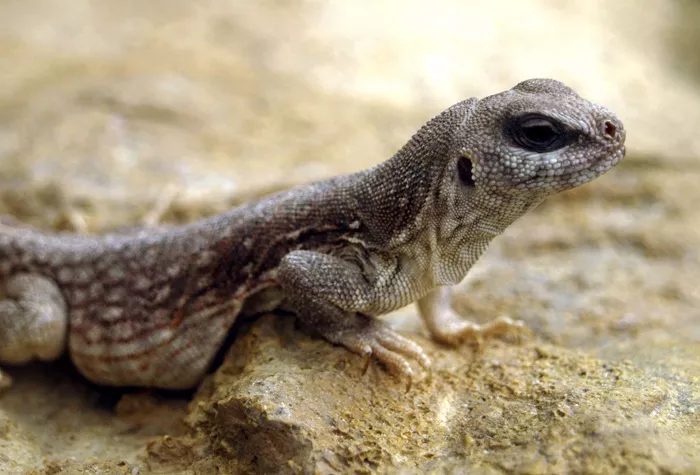
Have you ever wondered if desert iguanas change color, just like chameleons? It’s a common question that comes up when people think about these desert-dwelling reptiles. When you first see a desert iguana (Dipsosaurus dorsalis), you might be intrigued by its muted shades of brown, gray, or cream. But what if I told you that these little creatures, while not as famous for color-changing as chameleons, do have some interesting tricks up their sleeves? Stick with me, and let’s dive into the world of color change in desert iguanas!
In this article, we’ll explore how desert iguanas manage their appearance in response to their environment. We’ll look into why they don’t undergo dramatic color shifts like some other reptiles and examine how their environment and behavior still play a big role in their survival. You might be surprised by how these creatures use color to their advantage!
Do Desert Iguanas Change Color?
To answer the burning question upfront: Desert iguanas don’t change color in the same dramatic way that, say, a chameleon might. However, they do exhibit some fascinating color shifts based on their temperature, mood, and surroundings. These shifts are less about dramatic camouflage and more about survival strategies.
You see, desert iguanas are primarily light-colored, with shades of cream, light brown, or gray. These colors help them blend in with their surroundings in the desert, where the sun’s heat is intense. But here’s the cool part: Desert iguanas adjust their color subtly depending on their body temperature and activity level.
How Desert Iguanas Manage Temperature
One of the most significant factors influencing color in desert iguanas is their body temperature. As cold-blooded reptiles, they rely on external heat sources to regulate their body temperature. The desert can be scorching during the day, but it cools down significantly at night. Desert iguanas have to manage this extreme fluctuation in temperature.
In the Heat of the Day: When the temperature is high, desert iguanas tend to become lighter in color. This lighter color reflects the sun’s harsh rays, helping them stay cooler.
In the Cooler Hours: At night or early morning, when temperatures drop, desert iguanas might appear darker. This darker color helps absorb the heat, keeping their body temperature stable.
Think of it like wearing a light-colored shirt on a hot day. It helps keep you cool, right? Similarly, when the iguana needs to soak up some warmth, it’s like them wearing a darker shirt to stay cozy.
Mood and Behavioral Color Changes
Now, let’s talk about mood. While desert iguanas don’t change color based on emotions like a chameleon might, their environment and behavior can influence their color in subtle ways.
Mating Season: During the breeding season, both male and female desert iguanas exhibit more vibrant colors, especially on their bellies. This is typically a soft pinkish hue, signaling their readiness to mate.
Territorial Behavior: Males are also known to show brighter colors when defending their territory. They might “flash” these colors to warn other males. It’s a little like how a bright red flag can indicate danger or dominance.
Color and Camouflage: Subtle, but Effective
While desert iguanas aren’t experts in shifting colors like chameleons, their camouflage abilities are still impressive. They blend seamlessly into their environment, thanks to their earth-toned coloration. This helps them hide from predators like hawks and snakes, who rely on their keen vision to hunt. The muted browns, grays, and beiges match the rocky terrain and sparse vegetation of the desert.
So, when it seems like the iguana is just “chilling,” it’s likely blending in with its surroundings, minimizing the risk of being spotted by a predator. The combination of their natural color and behavior, like quickly burrowing into the sand, ensures that they remain relatively safe.
How Color Impacts Their Survival
You might be asking, “Why is color such a big deal for desert iguanas?” The answer is simple: Survival. These reptiles thrive in an environment where extreme temperatures and predators are constant threats. Their coloration isn’t just for show—it helps them with several critical survival functions:
Temperature Regulation: As we’ve discussed, color helps them control their body temperature, ensuring they stay within an optimal range.
Predator Avoidance: The muted colors help them hide in plain sight.
Mating Signals: For males, brighter colors during mating season signal to females that they’re healthy and ready to reproduce.
These adaptations might seem subtle, but they’re powerful in helping desert iguanas thrive in one of the harshest environments on Earth.
Interesting Facts About Desert Iguanas
Here are some cool, lesser-known facts about desert iguanas that may interest you:
Incredible Heat Tolerance: Desert iguanas are considered one of the most heat-tolerant reptiles. They can withstand temperatures that would incapacitate most other lizards. Their color helps them handle the heat better.
Social Behavior: While not as social as some other lizards, desert iguanas do show some level of interaction, especially when it comes to males competing for territory. During these times, their color may shift, signaling readiness for a “battle.”
Diet: They mostly eat plants, such as leaves, flowers, and fruit. Occasionally, they might munch on insects. This herbivorous diet supports their slow metabolism and contributes to their calm, laid-back nature.
Conclusion
So, do desert iguanas change color? Yes, but not in the way you might expect. Their color shifts help them survive in the extreme desert environment, regulate their body temperature, and communicate during the breeding season. While not as flamboyant as a chameleon, the desert iguana’s subtle color adaptations are nonetheless impressive and essential to their survival.
If you’re a reptile enthusiast or considering keeping a desert iguana as a pet, it’s important to remember that their color-changing abilities are just one of many amazing traits they’ve developed to adapt to their desert home.
Related topics: