
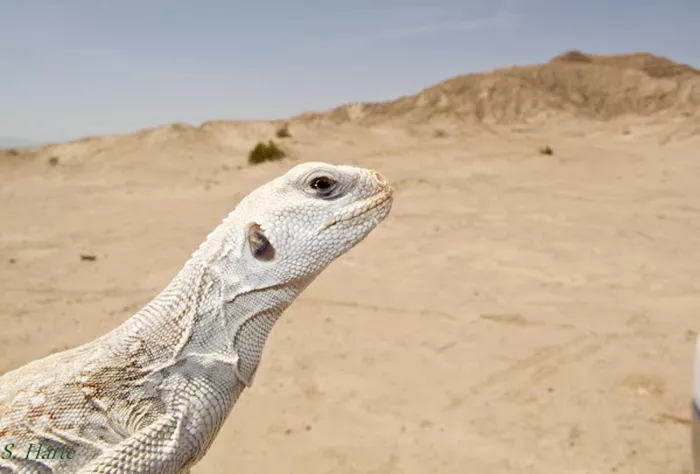
Imagine you’re wandering through the sun-baked deserts of the American Southwest. The heat is intense, the air dry, and you’re on the lookout for wildlife that’s adapted to survive in such an extreme environment. Suddenly, you spot a desert iguana basking in the sun. Its scaly skin and laid-back demeanor make it seem almost like a living, breathing rock. But what if we told you that these seemingly calm reptiles have an intriguing reproductive strategy, one that involves laying eggs? Stick with us, and let’s unravel this mystery together!
The Desert Iguana’s Reproductive Strategy
Desert iguanas, scientifically known as Dipsosaurus dorsalis, are native to the arid landscapes of the Sonoran and Mojave deserts. These resilient creatures are well-known for their ability to withstand intense heat, and one of the key aspects of their life cycle is reproduction. But, do desert iguanas lay eggs? The simple answer is yes! However, understanding how and when they lay eggs is crucial for anyone interested in these fascinating reptiles.
How Does Reproduction Work in Desert Iguanas?
Just like many other reptiles, desert iguanas reproduce sexually, meaning that they require both a male and a female for fertilization. Reproduction typically takes place during the warm spring months, from March to June, when the temperatures are higher, and food is abundant. During this period, the male desert iguana performs a series of displays to attract females, including territorial behaviors and flashy postures. This is similar to how birds like peacocks use their feathers to show off for mates!
Once mating has occurred, the female will carry the fertilized eggs inside her body for a period of time. After this, she will find a safe spot to lay her eggs, usually in sandy, well-drained soil. The process of laying eggs is quite an incredible sight, and it’s crucial for the survival of their species in such a harsh desert environment.
Egg Laying: A Delicate Process
Unlike mammals, which give birth to live young, desert iguanas lay hard-shelled eggs. These eggs are oval in shape, with a smooth texture that helps protect the developing embryo inside. A typical clutch can consist of anywhere between 3 to 8 eggs. You might imagine these eggs as being like little, leathery balls of potential, waiting to be nurtured by the sun’s warmth.
Now, you might be wondering: why do they lay eggs instead of giving birth to live babies, like some other reptiles? The main reason is that eggs are more suited to the desert environment. The high temperatures help incubate the eggs, and once they hatch, the tiny iguanas are ready to survive in the harsh desert conditions.
Incubation: Sunlight Is Key
Just as you might think about leaving your clothes in the sun to dry on a hot summer day, desert iguana eggs rely on the intense desert sun for warmth. The female digs a small hole and deposits her eggs, covering them with sand to protect them from predators. The eggs are incubated by the sun’s rays, which keep them at an optimal temperature range of 28-38°C (82-100°F).
Interestingly, the temperature at which the eggs are incubated can even affect the sex of the baby iguana! Warmer temperatures tend to result in more male offspring, while slightly cooler conditions may produce females. This process is known as temperature-dependent sex determination (TSD), a fascinating phenomenon found in many reptiles.
What Happens After the Eggs Are Laid?
Once the eggs are securely laid in their burrow, it’s a waiting game. The incubation period can last anywhere from 60 to 90 days. As the weeks go by, the developing embryos gradually grow, fueled by the nutrients in the eggs.
Hatching: The Miracle of Life in the Desert
Finally, the moment arrives. The baby iguanas hatch from their eggs, emerging as tiny versions of their parents, ready to face the harsh desert environment. These hatchlings are completely independent from the moment they emerge, needing no further care from their mother. This is quite common in reptiles, as they rely on their natural instincts to survive.
Once they hatch, the babies quickly seek shelter to avoid predators such as hawks, foxes, and snakes. They are born with survival instincts already in place, which include seeking shade and food sources like the tender leaves of creosote bushes.
What Do Desert Iguanas Eat? A Look at Their Diet
You may have noticed that many reptiles, especially herbivores like the desert iguana, rely on specific plants for sustenance. The diet of a desert iguana consists mainly of a variety of desert plants, including the leaves, flowers, and fruits of bushes like the creosote bush and mesquite. They also consume insects, which provide extra nutrients.
Predators and Threats to Desert Iguanas
As much as the desert iguana is adapted to its environment, it is not without its threats. These lizards face natural predators such as hawks, snakes, and coyotes. Interestingly, they have developed a number of defense strategies to evade capture. When faced with danger, a desert iguana can quickly burrow into the ground or seek shelter in the shade of bushes. Their camouflage helps them blend into the sandy environment, making them less noticeable to predators.
How Long Do Desert Iguanas Live?
Desert iguanas typically live for around 10 years in the wild, although some individuals may live longer, particularly if they are well-protected from predators and environmental stressors. As with many reptiles, the lifespan of a desert iguana can be influenced by factors like diet, habitat, and overall health.
How to Care for Desert Iguanas in Captivity
For reptile enthusiasts or pet owners, caring for a desert iguana can be an exciting challenge. If you plan to keep one as a pet, it’s essential to provide an environment that mimics its natural desert habitat. This means having a dry, sandy substrate, a basking area where the iguana can soak up UVB rays, and access to food like leafy greens, fruits, and the occasional insect.
Conclusion
In conclusion, desert iguanas do indeed lay eggs, and the process is a fascinating example of how these reptiles have adapted to life in one of the harshest environments on Earth. From the courtship rituals of the males to the way the eggs are incubated by the desert sun, desert iguanas have evolved a remarkable reproductive strategy that ensures their survival.
So, the next time you spot a desert iguana basking in the sun, remember: it’s not just soaking up the heat for warmth—it’s also preparing for a new generation of desert warriors!
Related topics: