
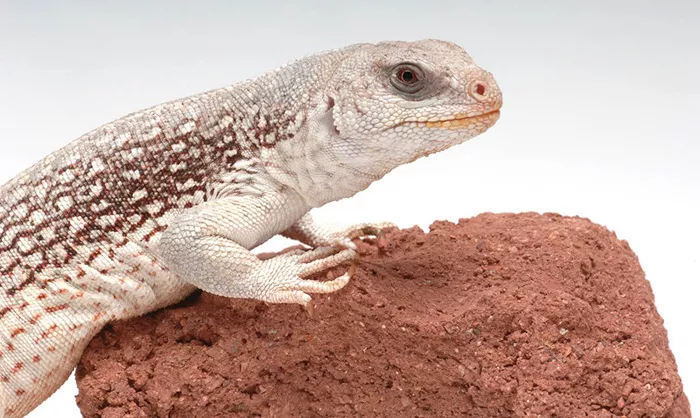
When you think about reptiles, you might imagine carnivorous lizards snapping up insects or aggressive predators on the hunt. But the desert iguana is different. It’s a desert dweller with a diet that might just surprise you. You’re probably wondering: Is a desert iguana an omnivore? Let’s dive into the intriguing world of these desert reptiles to uncover what they really eat and how their diet impacts their survival.
If you’ve ever found yourself pondering the feeding habits of the desert iguana, you’re not alone. These fascinating creatures are often misunderstood when it comes to their dietary needs. Some might assume they only feast on plants, while others might expect them to hunt insects like many of their lizard cousins. The truth lies somewhere in between, and understanding it will give you a better appreciation for these remarkable animals. Ready to explore? Let’s go!
What Is an Omnivore? Understanding the Concept
Before we dive into whether desert iguanas are omnivores, let’s first take a quick detour to understand what omnivores really are. An omnivore is an animal that eats both plant material (like leaves, fruits, and seeds) and animal material (such as insects or small animals). Think of it like being able to enjoy both a salad and a steak in one meal. It’s the best of both worlds!
In contrast, herbivores only eat plants, and carnivores stick strictly to animal-based food. Omnivores are often adaptable and opportunistic feeders, able to thrive in a variety of environments by having a versatile diet.
Now that you understand the definition of omnivores, let’s apply this concept to the desert iguana and see where it fits.
Desert Iguanas: A Brief Overview
The desert iguana, scientifically known as Dipsosaurus dorsalis, is a fascinating reptile native to the Sonoran and Mojave Deserts in the southwestern United States and northwestern Mexico. These lizards are well-adapted to their harsh, hot environments and play a vital role in desert ecosystems. They are typically medium-sized, reaching up to 60 cm (about 24 inches) long, including their tail.
Their color ranges from a light grayish-brown to cream, with subtle patterns on their backs and tails, helping them blend in with the desert sands. These reptiles are most active during the hottest parts of the day, an unusual trait for many desert creatures, who prefer to hide away during the heat. This active behavior sets them apart from other desert species that are more nocturnal or crepuscular (active during dawn and dusk).
But what about their eating habits? Let’s look at their diet.
The Desert Iguana’s Diet: Herbivorous with a Dash of Insectivore
Desert iguanas are primarily herbivores but with a little twist—especially when compared to other reptiles of the same family. While they mainly consume plant matter, they are also known to munch on insects from time to time, particularly ants, crickets, and grasshoppers. So, are they omnivores? Well, yes, they do exhibit some omnivorous tendencies. But their diet is heavily skewed toward plants.
Here’s a breakdown of what they typically eat:
Plant-Based Foods: Desert iguanas are herbivorous at heart, and much of their diet consists of the various plants they find in the desert. Their favorites include creosote bush leaves, flowers, and seeds. They also nibble on the leaves of mesquite, palo verde, and other desert shrubs. The plants provide them with essential nutrients like fiber and water—critical in an environment where water is scarce.
Insects and Animal Matter: While they are predominantly plant eaters, desert iguanas do supplement their diet with some animal matter. This is especially true during the breeding season when they need extra protein. Insects like ants, crickets, and beetles make up a small part of their diet, but it’s enough to classify them as occasional omnivores.
So, while desert iguanas are not strict omnivores like raccoons or pigs, they do exhibit a bit of flexibility in their diet. They can and do eat animal matter when it’s available, but their primary focus remains on plants.
How Does Their Diet Help Them Survive in the Desert?
The diet of the desert iguana is perfectly suited for survival in the harsh desert environment. Here’s why:
Water Conservation: In the desert, water is a rare commodity. Many of the plants that desert iguanas eat are rich in water content, such as the creosote bush. By feeding on these plants, they can obtain much of the moisture they need without drinking water directly. This is crucial, as finding fresh water in the desert can be extremely difficult.
Temperature Regulation: As desert dwellers, iguanas need to regulate their body temperature to avoid overheating. Their diet plays a role here too. Certain plants, especially those with higher moisture content, help them stay hydrated and cool during the blistering heat of the day.
Nutrient Balance: Even though they are primarily herbivores, the addition of insects to their diet gives them important nutrients, particularly protein. This is especially important for reproductive health. Protein helps in the development of eggs and supports their energy needs during mating season.
Do Desert Iguanas Eat Animal Matter Regularly?
You might be wondering: how often do desert iguanas actually eat animal matter? While they do consume insects on occasion, it’s not a daily occurrence. Their primary diet consists of the plants they find in the desert. However, during certain times of the year—especially during breeding season—they may actively seek out insects to boost their protein intake.
Some desert iguanas have even been observed eating dead animal matter (scavenging) when the opportunity arises. This behavior is quite common among many herbivorous reptiles, who will occasionally supplement their diet with animal matter if it provides a nutritional advantage.
Desert Iguanas in Captivity: What Should They Eat?
If you’re considering keeping a desert iguana as a pet (lucky you!), it’s important to provide them with a balanced diet that reflects their natural eating habits. Here’s a quick guide to feeding them in captivity:
Plant-Based Foods: Offer a variety of leafy greens, flowers, and shrubs. Hibiscus flowers, dandelion greens, and clover are great options. Avoid giving them too many high-oxalate plants like spinach, as these can cause health issues.
Occasional Insects: While their diet is mostly plant-based, it’s still a good idea to offer insects like crickets or mealworms once or twice a week for variety and protein.
Calcium Supplements: As with all reptiles, it’s important to dust their food with a calcium supplement to promote strong bones and prevent metabolic bone disease.
Common Myths about Desert Iguanas and Their Diet
There are a few myths surrounding desert iguanas that can mislead potential pet owners. Let’s bust them:
Myth 1: Desert Iguanas Are Strict Carnivores: While some desert lizards may focus on insects or even small vertebrates, desert iguanas are primarily herbivores. They may eat a bit of animal matter, but it’s not their main food source.
Myth 2: Desert Iguanas Don’t Need Variety: Although their diet is mainly plant-based, desert iguanas do benefit from a variety of foods to meet all their nutritional needs. A diet consisting solely of one type of plant can lead to deficiencies.
Conclusion
So, are desert iguanas omnivores? The answer is yes, but with a twist! While they primarily eat plants, they do occasionally consume insects and other animal matter, especially to meet their protein needs. This flexibility in diet helps them survive in the harsh desert environment, where food sources can be unpredictable.
By understanding their diet, we can appreciate how well adapted desert iguanas are to their environment. Whether they’re munching on creosote leaves or catching a quick snack of ants, desert iguanas are true survivors of the desert.
Related topics: