
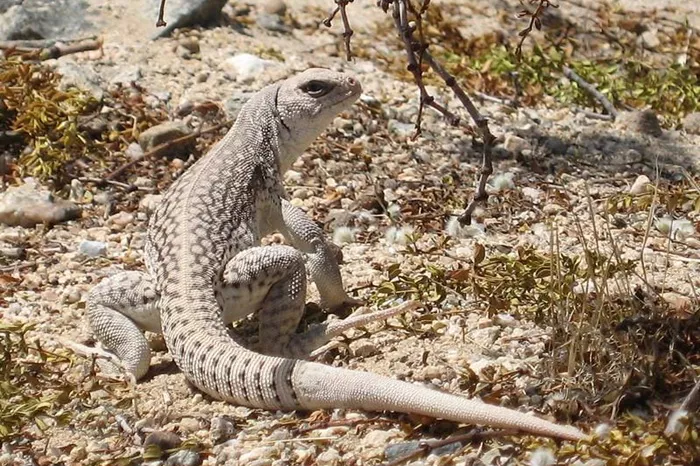
Imagine a small, spiky reptile darting across the scorching sands of a desert landscape. This creature, with its unique blend of camouflage, strength, and desert survival skills, is none other than the desert iguana. Known for its distinctive appearance, the desert iguana is one of nature’s fascinating desert dwellers. In this article, we will take a closer look at what the desert iguana looks like, from its size and color to its special features that help it thrive in some of the harshest environments on Earth.
Introduction: A Peek into the Desert World
The desert iguana, scientifically named Dipsosaurus dorsalis, is one of the most well-adapted reptiles for life in the hot, dry conditions of the southwestern United States and parts of Mexico. This desert-dwelling lizard is known for its incredible ability to blend into its surroundings, survive extreme temperatures, and move with surprising agility.
But what does a desert iguana actually look like? This seemingly unassuming creature might just surprise you with its unique physical traits. From its color patterns to its distinct spiky back, the desert iguana is built perfectly for desert life.
Let’s explore its physical features, starting with the basics.
Size and Shape: The Body Structure of the Desert Iguana
One of the most notable features of the desert iguana is its size. This lizard isn’t as massive as some of its cousins in the iguana family, but it is still sizable for a desert reptile. When fully grown, the desert iguana typically measures around 41 cm (16 inches) in length, though some can grow up to 61 cm (24 inches) if you count the tail.
To help you visualize this, think of it as being slightly longer than a standard ruler. Its tail, which accounts for about half of its total length, adds to its elegant appearance. The tail also plays a significant role in balance and movement, much like a tightrope walker uses a pole for stability.
The body of the desert iguana is streamlined, allowing it to move quickly across the sand. This agility helps it escape predators and find food, especially in a landscape where resources can be scarce.
Coloration: How the Desert Iguana Camouflages Itself
If you’ve ever watched a chameleon blend into its surroundings, you’ll have an idea of how the desert iguana uses its color to survive in the desert. The desert iguana has a light grayish-brown or cream-colored body, often with a net-like pattern running across its back and sides. This color helps it blend into the sandy desert terrain, providing camouflage from predators.
Its back, in particular, has a series of slightly enlarged keeled scales that form a ridge-like structure. These scales give the desert iguana a somewhat spiky appearance, which not only adds to its visual uniqueness but also enhances its defense mechanism.
During mating season, the skin of both male and female desert iguanas can turn a striking pinkish hue on their sides. This change in color is a display of territorial dominance and sexual attraction, marking an important aspect of their social behavior. Imagine a flamboyant bird puffing up its feathers to attract a mate—that’s what the desert iguana’s color shift achieves in the wild.
Head and Face: The Iguana’s “Signature Features”
When you take a close look at a desert iguana’s head, you’ll notice a few interesting details. The desert iguana has a relatively small, triangular head, which is characteristic of many desert reptiles. Its eyes are large and alert, helping it spot predators or prey from a distance.
The mouth of the desert iguana is quite wide for its size, allowing it to eat a variety of plants and even the occasional insect. But don’t be fooled—despite its wide jaw, the desert iguana is primarily a herbivore. It loves eating leaves, flowers, and fruits, with a particular fondness for plants like creosote bushes and alfalfa. While it can nibble on insects like ants and crickets, it prefers a plant-based diet.
On its head, you might spot small, sharp spines, especially along the neck area. These spines aren’t just for looks—they serve as a form of defense against larger predators, like birds of prey and snakes. If a predator gets too close, the spiny ridges along the iguana’s back can make it harder to swallow, adding another layer of protection.
Legs and Tail: Speed and Agility in the Desert
The desert iguana’s legs are short but strong, built for quick sprints across the hot desert sand. It doesn’t climb like some other species of iguanas, but instead, it uses its legs for rapid movement on the ground, helping it dart into crevices or under shrubs when it senses danger.
The tail, as mentioned, is an important part of its body structure. Not only does it provide balance, but it also acts as a defense mechanism. If a predator grabs hold of the iguana’s tail, the iguana can shed it in a process called autotomy. This allows the iguana to escape, while the tail continues to wriggle, distracting the predator. Later, the iguana can grow a new tail, though it’s usually not as long or as robust as the original.
Behavior and Adaptations: How Looks Help in Survival
The desert iguana’s appearance is closely tied to its ability to survive in the harsh desert environment. Its light-colored skin helps reflect sunlight, keeping it cooler during the hottest parts of the day. Unlike many other desert reptiles that seek shelter during the peak heat, the desert iguana is often out and about when the sun is at its highest, making it one of the few reptiles active during these extreme conditions.
Its keeled scales, which look like tiny ridges on its back, help with both aerodynamics and self-defense. These scales give it a unique texture that can deter predators, and they allow the iguana to glide smoothly over sand dunes when it runs at full speed.
But that’s not all—desert iguanas have excellent senses. Their sharp vision and keen sense of smell help them find food, mates, and safe places to hide. These abilities are incredibly important when you live in an environment that’s constantly changing, from extreme heat to dust storms.
Fun Facts: The Desert Iguana’s Social Life and Interesting Habits
Despite its solitary appearance, the desert iguana isn’t always a loner. During the breeding season, males will defend their territory fiercely, using head bobbing and push-ups to show off their strength. They might also engage in physical combat with other males to gain the right to mate with females. If you’ve ever watched a competitive animal, like a bird puffing its chest, you’ll understand this behavior.
Also, while the desert iguana may seem tough, it’s not invincible. It has several natural predators, including hawks, snakes, and foxes. To avoid being caught, the desert iguana will often seek shelter in burrows dug by other animals, such as desert tortoises and foxes.
Conclusion
The desert iguana is a true survivor, with its unique physical features perfectly suited for life in the desert. From its spiny back to its light-colored skin, every aspect of this reptile’s appearance helps it navigate and thrive in one of the harshest environments on Earth. Its ability to blend into the surroundings, along with its speed and agility, make it a fascinating creature to observe.
Now that you know what a desert iguana looks like, the next time you see one in the wild, you’ll be able to appreciate how perfectly adapted it is to its environment.
Related topics: