
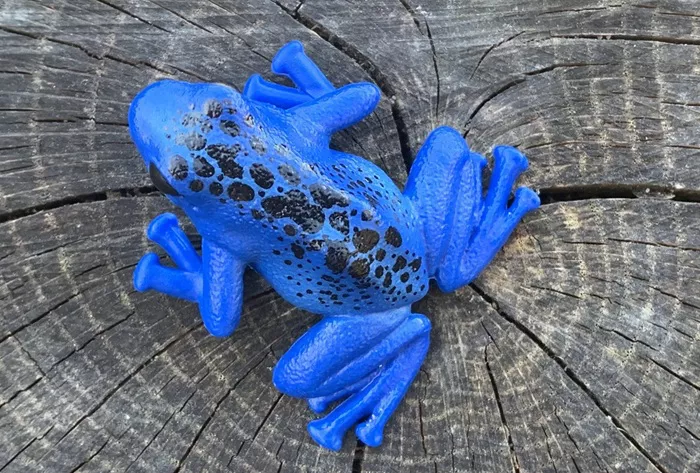
When you think of the vibrant, awe-inspiring creatures of the animal kingdom, the blue poison dart frog might just come to mind. Its stunning blue skin, adorned with unique black spots, makes it one of the most visually striking amphibians in the wild. But here’s the big question—Is this little frog truly an amphibian? Is it more than just a pretty face in the rainforest?
Let’s dive into this mystery together, exploring what makes the blue poison dart frog so extraordinary and whether it truly belongs to the world of amphibians.
What Are Amphibians? Let’s Set the Stage!
Before we dive into the world of the blue poison dart frog, let’s quickly brush up on what makes an amphibian, well, an amphibian. Amphibians are a group of animals that can live both in water and on land. Think of them like nature’s bridge between aquatic life and terrestrial life. These animals typically start their life in water as tadpoles or larvae and then undergo a process called metamorphosis, transitioning to an adult form that can live on land.
Some of the most well-known amphibians include frogs, toads, newts, and salamanders. They all share certain traits that make them different from other types of animals, such as reptiles or mammals.
Now, you might be wondering: “Okay, so blue poison dart frogs look like frogs, but does that mean they’re amphibians?” The short answer is yes, but let’s explore why that’s the case.
The Life Cycle of the Blue Poison Dart Frog: A Closer Look
Blue poison dart frogs (scientifically known as Dendrobates tinctorius “azureus”) start their lives just like any other amphibian—with a splash in the water. These frogs are born as tadpoles, which are aquatic and have gills to help them breathe underwater. Over time, these tadpoles undergo metamorphosis, transforming into fully developed frogs with lungs, which allows them to breathe on land.
Here’s the cool part: as adults, blue poison dart frogs can live both in moist terrestrial environments and around water sources. So, much like other amphibians, they’re perfectly adapted to life in both worlds—water and land.
By the way, if you’ve ever raised a tadpole in your childhood science class, you’ve seen this transition firsthand. It’s like a tadpole growing up right before your eyes—first they swim, and soon enough, they hop!
Why Do We Call It a “Poison Dart” Frog?
Before we move forward, let’s address that interesting “poison dart” part. These frogs get their name from their toxins, which are potent chemicals used as a defense mechanism. The term “dart” comes from indigenous cultures who used the toxins on the tips of their darts and arrows for hunting. While these frogs’ bright blue coloration serves as a warning to predators, they don’t produce the toxin on their own—it comes from their diet.
Wild blue poison dart frogs feast on a diet of small invertebrates like ants, termites, and beetles, which contain toxic chemicals that are absorbed into the frog’s skin. In captivity, where they’re fed a different diet, they lose this toxicity. Isn’t that a fascinating example of how animals can adapt to their environment?
See Also: How Do Blue Poison Dart Frogs Hunt and Eat?
What Makes the Blue Poison Dart Frog Unique?
Let’s break it down: the blue poison dart frog shares many characteristics with other amphibians.
Skin and Moisture: Like other amphibians, these frogs have smooth, permeable skin. This allows them to absorb moisture and oxygen directly from the air and water around them. If the air around them is too dry, they can easily get dehydrated, so they stick to humid and wet environments like the rainforests of South America.
Habitat: Blue poison dart frogs live in the tropical rainforests of Suriname and other parts of South America. They’re typically found near small streams, ponds, or even swampy areas—ideal places for amphibians to thrive.
Metamorphosis: Just like frogs and toads, these dart frogs undergo metamorphosis from tadpoles to adult frogs. This journey from aquatic life to land-dwelling amphibian is a hallmark of their species.
How Do Blue Poison Dart Frogs Fit Into the Amphibian Family Tree?
In the amphibian family, there are three main groups: frogs, salamanders, and caecilians (which are a bit like worm-like amphibians). The blue poison dart frog falls into the frog category, which is the largest and most diverse group of amphibians.
But what makes them unique within this group is their toxicity, which is not common among most frogs. In fact, their bright blue color is a warning sign, a survival strategy that many other amphibians use to ward off potential predators. Think of it like a flashing “danger!” sign, saying, “Don’t eat me, I’m toxic!”
Are Blue Poison Dart Frogs Endangered?
It’s true that blue poison dart frogs are not currently listed as endangered, but they face some significant threats. These include:
Habitat Destruction: Rainforests are being cleared for farming and development, putting pressure on the natural habitats of these frogs. Without their lush, humid environments, these frogs can struggle to survive.
Climate Change: As temperatures rise and rainfall patterns change, the delicate balance of the rainforest ecosystem is disturbed, which could affect amphibians like the blue poison dart frog.
Key Characteristics That Make a Blue Poison Dart Frog an Amphibian
Dual Habitat: As an amphibian, the blue poison dart frog thrives in both land and water environments, which is the defining characteristic of all amphibians.
Metamorphosis: They undergo metamorphosis, transitioning from aquatic tadpoles to adult frogs capable of living on land—just like other amphibians.
Breathing Through Skin: Amphibians like the blue poison dart frog can absorb oxygen and moisture through their skin, which is another classic amphibian trait.
Conclusion
In short, the blue poison dart frog is indeed an amphibian. Its fascinating life cycle, ability to live both in water and on land, and amphibian traits like metamorphosis and permeable skin place it firmly in the amphibian category. So next time you admire this amazing creature, know that you’re looking at an animal that straddles two worlds—just like other amphibians.
Related topics: