
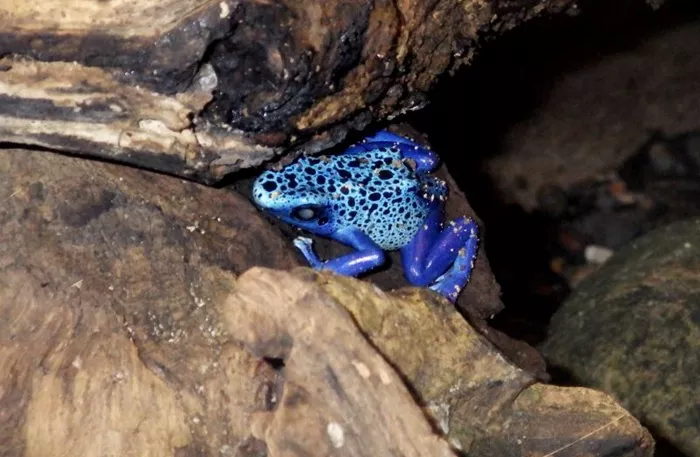
Blue poison dart frogs (Dendrobatoides tinctorius) are among the most fascinating creatures in the amphibian world, celebrated not only for their striking blue skin but also for their unique eating habits. This article will delve into how these colorful amphibians hunt, what they eat, and how they thrive in their environment. If you’ve ever wondered about the diet of these little creatures or what makes them so special, then you’re in the right place.
We’ll walk through the types of food they eat, their hunting strategies, and some of the biological tricks they use to survive in the wild. But before we dive into their diet, let’s take a quick look at what makes their food consumption so unique. Trust me, you won’t want to miss out on these fascinating details!
Introduction to Blue Poison Dart Frogs
Blue poison dart frogs are native to the rainforests of Central and South America, specifically in regions like Panama, Costa Rica, and parts of Colombia. Their vivid blue color comes from a potent toxin they produce, which acts as a defense mechanism against predators. While they may seem like small, harmless creatures, their survival depends heavily on their diet, which is rich in specific types of prey that allow them to produce this toxin.
So, what exactly do these frogs eat, and how do they find their food? Well, we’re about to find out.
The Diet of Blue Poison Dart Frogs
Blue poison dart frogs are insectivores, meaning that their primary food source is insects. Their diet mainly consists of:
Ants – These ants are not just any ants but a specific type that contains toxins that help the frog build its own. It’s a bit like how some people wear special fabrics to protect themselves from the sun. These frogs “eat” poison as a way to protect themselves. The ants that they feast on are tiny, often too small for the untrained eye to notice.
Termites – Similar to ants, termites are another key food source for these frogs. Termites are often found in decaying wood, and for blue poison dart frogs, they are an essential part of their diet.
Mites and other small invertebrates – They also snack on mites, small beetles, and other tiny critters that dwell under the leaves and on the forest floor.
See Also: Can a Blue Poison Dart Frog Kill a Human? You Need to Know
These foods aren’t just nutrients—they are what help blue poison dart frogs produce their famous toxins. The toxic compounds come from a class of chemicals known as alkaloids, which are absorbed through their skin after ingesting these insects. So, while these frogs are eating small, seemingly insignificant creatures, they’re also building up one of the most powerful chemical defenses in the animal kingdom.
Why Ants Are So Important
Think of ants as the fuel for the frogs’ power. Without these little critters, the frogs wouldn’t be able to produce the toxins that make them so dangerous to predators. It’s like how some animals eat certain plants or mushrooms that provide them with the nutrients they need to grow or protect themselves.
Interestingly, in captivity, where these frogs aren’t exposed to the same types of ants and other insects, they often do not produce the same level of toxins. This highlights the importance of their natural diet and its direct influence on their survival in the wild.
How Do Blue Poison Dart Frogs Hunt?
Blue poison dart frogs are skilled hunters, but they don’t go after their prey in the same way that many other predators do. Instead of actively chasing down food, they rely on their surroundings and their speed to capture it. The process of hunting for food is more about stealth and speed than brute force.
Ambush Hunting – Most of the time, these frogs hunt by waiting for prey to come close enough for them to snatch it with their long, sticky tongues. They don’t have to chase or run after their food; they wait for it to come to them. This strategy is very energy-efficient, allowing the frogs to conserve energy while still being able to catch a meal.
Camouflage – Their blue skin, despite being vibrant, can sometimes blend in with the environment, especially under specific lighting conditions. They may not have the bright green camouflage that other frogs do, but the color can still help them blend into the underbrush.
A Day in the Life of a Blue Poison Dart Frog
Imagine you’re a small amphibian living in the dense rainforests of Central America. Every day, you move around on the forest floor, keeping an eye out for tiny critters that can be your next meal. In the wild, food is abundant, but it’s never guaranteed. You must constantly search for ants, termites, and mites. While on your journey, you may also encounter predators. Luckily, you’ve got your blue poison as a defense mechanism, making you a less desirable snack for many potential predators.
As you hop from one spot to another, you rely on your surroundings to provide you with everything you need. One of the coolest parts about these frogs is that their environment plays a huge role in both their survival and their feeding habits.
What Happens If They Don’t Get Enough Food?
Like most animals, if blue poison dart frogs don’t get enough food, they won’t be able to produce their toxins, and their health will decline. Without the necessary insects to provide them with the right nutrients, they might also lose their characteristic blue coloring and even their defensive power.
This makes food a vital part of their survival. It’s like how you feel sluggish if you don’t get enough food to eat throughout the day. Without the right nutrition, both humans and frogs are less capable of thriving.
Interesting Facts About Blue Poison Dart Frogs
Toxin Production is Linked to Diet – The level of toxins in a frog’s body directly correlates with its diet. In the wild, where they have access to ants and termites, the frogs produce potent toxins. In captivity, their toxin levels decrease significantly because their diet lacks these specific insects.
Toxins Are Absorbed Through the Skin – Blue poison dart frogs don’t inject toxins into their prey. Instead, they absorb toxins directly from their food and store them in their skin. This is why these frogs are such an amazing example of how diet can shape an organism’s defenses.
Survival Without Toxins – In environments where they are deprived of their natural diet, blue poison dart frogs can still survive, but they lose their toxicity. This shows that while their color and toxins are impressive, they aren’t the only factors ensuring their survival.
Conclusion
To summarize, blue poison dart frogs’ diets consist of small insects like ants, termites, and mites. These insects help the frogs produce the toxins that protect them from predators. These frogs don’t actively chase after their food, instead relying on ambush techniques and their surroundings. Without the right diet, blue poison dart frogs can’t produce the toxins that are so critical to their survival.
The blue poison dart frog is a prime example of how animals adapt to their environment, using their diet as both a source of nutrition and a method of defense. Next time you see one of these striking creatures, you’ll understand just how their meal choices contribute to their survival in the wild.
Related topics: