
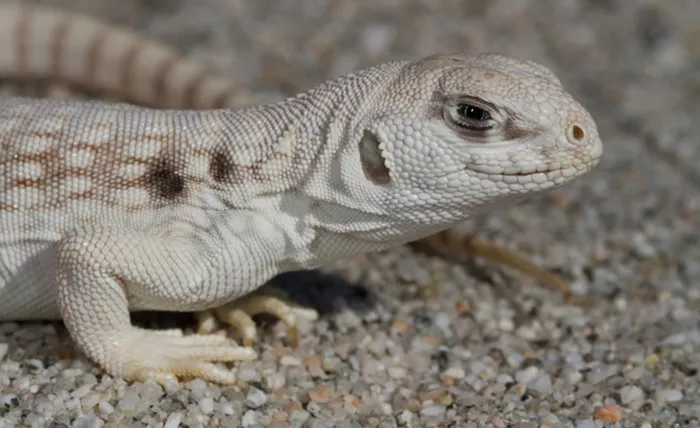
When you think about the animals that live in deserts, what comes to mind? Cacti, hot sand, and creatures that can survive in extreme conditions, like lizards. But do you know how important these lizards are to the ecosystem? Specifically, the desert iguana—often seen lounging in the heat of the sun—plays a crucial role in the desert’s food web. The burning question is: Is a desert iguana a primary consumer?
To answer that, we need to take a closer look at the desert iguana’s diet, its place in the food chain, and what “primary consumer” really means. Don’t worry! I’ll break it all down for you in simple terms and with a bit of fun along the way. So, if you’ve ever wondered what role desert iguanas play in the environment, keep reading!
What is a Primary Consumer?
Before we dive into whether the desert iguana is a primary consumer, let’s define what that actually means. Picture the food chain as a pyramid. At the very bottom, you have plants—these are called producers because they make their own food through photosynthesis, just like how your plants at home turn sunlight into energy.
Next up, you have primary consumers. These are the animals that eat plants. Think of them like your garden’s herbivores: rabbits nibbling on grass, deer munching on leaves, and yes, desert iguanas munching on plants too.
Why are primary consumers so important? Well, they help transfer energy from plants to higher levels of the food chain, supporting a wide variety of other animals. Without primary consumers, the food web would collapse. So, does the desert iguana fit into this group?
What Do Desert Iguanas Eat?
To understand whether desert iguanas are primary consumers, we need to know what they eat. Desert iguanas are herbivores, which means they eat plants. Their diet primarily consists of:
Leaves: Desert plants like creosote bushes and the occasional cactus leaf.
Flowers: They love nibbling on desert wildflowers.
Fruits: Sometimes, they’ll munch on fruits from desert shrubs.
Their love for plants and flowers means that desert iguanas are herbivores. They don’t hunt other animals but instead thrive on plant-based foods found in their harsh desert habitat.
Desert Iguanas in the Food Chain: Are They Primary Consumers?
Now that we know what the desert iguana eats, we can determine if it’s a primary consumer. Since they primarily feed on plants, they fall right into the category of primary consumers.
Here’s the breakdown:
Producers: Plants (creosote, wildflowers, etc.)
Primary Consumers: Desert iguanas (they eat the plants)
Secondary Consumers: Animals that eat iguanas, like certain birds of prey or snakes.
Tertiary Consumers: Larger predators that may hunt secondary consumers.
So, desert iguanas are definitely primary consumers. They are the link between the producers (plants) and the secondary consumers (predators that eat them). Isn’t that fascinating?
Why Is the Desert Iguana Important as a Primary Consumer?
You might be asking, “Why should I care about a desert iguana’s role as a primary consumer?” Great question! Understanding this is important because every creature in an ecosystem plays a vital part in keeping things in balance. The desert iguana, as a primary consumer, helps regulate plant life and provides food for higher-level predators.
Imagine a world without iguanas. The plants they eat could grow uncontrollably, affecting other species that rely on those plants. And without the iguana to feed the next level of animals, those predators might struggle to find enough food, which would throw the entire ecosystem off balance.
By keeping plant populations in check and providing food for predators, desert iguanas play an essential role in maintaining the delicate balance of life in the desert.
Desert Iguanas and the Balance of the Desert Ecosystem
Let’s take a moment to dive deeper into how the desert ecosystem works. The desert may seem like an empty, harsh place at first glance, but it’s actually filled with life. And like any community, it depends on the interaction of its members.
In the food chain, primary consumers like the desert iguana help support the next level of predators, which in turn helps regulate the numbers of primary consumers. This balance keeps the desert environment healthy. When desert iguanas are thriving, the plants are being kept in check, and there’s a healthy flow of energy through the food chain. If iguana populations drop, plants might overgrow, and predators may struggle to find food. Everything is connected.
A Real-Life Story: The Role of Iguanas in the Wild
Let’s make this even more relatable by sharing a real-life story. I once spoke to a reptile enthusiast who kept desert iguanas in a habitat designed to mimic the desert. They noticed that when the iguanas were healthy and well-fed, the plants in the enclosure remained nicely trimmed and balanced, just like in nature. But when the iguanas fell ill or didn’t get enough food, the plants started growing uncontrollably, and the ecosystem in the enclosure became unstable.
This is a small-scale example of how crucial primary consumers are in balancing an ecosystem. It’s clear that the desert iguana, like many herbivores, plays a pivotal role in keeping things running smoothly.
Conclusion
To wrap it up, desert iguanas are definitely primary consumers. Their herbivorous diet and their position in the food chain make them essential to the desert ecosystem. They help control plant growth and provide sustenance for higher-level predators.
Now you can appreciate how these fascinating creatures contribute to the balance of the desert environment! And who knows, the next time you see a desert iguana basking in the sun, you’ll have a whole new understanding of its role in the grand web of life.
Related topic: