
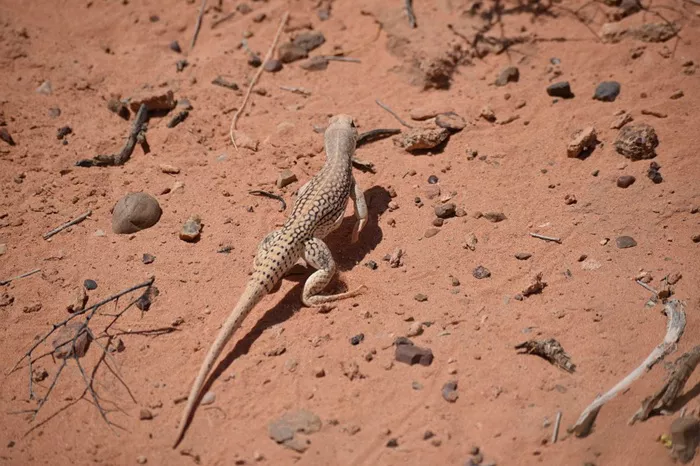
When you think of a desert, images of scorching sun and blistering heat might come to mind. But what if we told you that the very creatures that thrive in this extreme environment sometimes freeze in place? Yes, desert iguanas, often associated with arid landscapes, have a peculiar survival trick—freezing when conditions become too harsh. This behavior is fascinating and crucial for understanding how desert reptiles adapt to their surroundings.
But why do they freeze? Is it an involuntary response to the heat or something more complex? And how does this seemingly strange behavior help them survive in an unforgiving habitat? In this article, we’ll dive deep into the science behind why desert iguanas freeze and how this behavior aids in their survival.
By the end of this article, you’ll not only have a better understanding of desert iguanas but also appreciate the incredible adaptability of reptiles in general. Let’s uncover the secrets behind their freeze response.
What is Freezing? A Simple Explanation
Before we dive into why desert iguanas freeze, let’s first clarify what we mean by “freezing.” In the animal kingdom, freezing refers to the act of stopping all movement—sometimes in response to danger, but in the case of desert iguanas, it’s more about environmental conditions.
Imagine being caught in a snowstorm with nowhere to go. You might huddle in place to conserve your body heat. Now, instead of cold, imagine the intense heat of the desert. The iguana’s freezing behavior works similarly, allowing it to avoid further exposure to dangerous conditions.
The Role of Temperature in Desert Iguanas’ Freezing Behavior
The desert iguana, Dipsosaurus dorsalis, is native to the southwestern United States and Mexico. Unlike other reptiles, desert iguanas are particularly sensitive to changes in temperature. Being cold-blooded, they rely on external heat sources, like the sun, to regulate their body temperature. When the temperature drops too much or rises too high, these reptiles face significant challenges.
How Heat Affects Desert Iguanas
During the day, temperatures in the desert can soar above 100°F (37°C), and during the night, they can plummet to below freezing. For the iguana, these fluctuations can be dangerous. If the temperature becomes too hot, it risks overheating, leading to dehydration and possible heatstroke. On the other hand, extreme cold can slow down their metabolism, making it harder for them to move or hunt.
The freeze response helps them avoid moving around when conditions become too extreme. They might freeze to conserve energy or avoid exposure to dangerous temperatures. But this isn’t a random response—it’s tied directly to their biology and how their bodies react to temperature changes.
What Happens When a Desert Iguana Freezes?
When a desert iguana freezes, it is essentially shutting down its body functions to protect itself from extreme environmental stress. This is not unlike what happens when you stay still to avoid making noise when you’re hiding from something. For the iguana, it’s a survival instinct.
Metabolic Slowdown: The first thing that happens when they freeze is that their metabolism slows down. This is their body’s way of using less energy when resources are scarce or the environment becomes too harsh. By freezing, they can avoid unnecessary movement and energy expenditure.
Reduced Heat Loss or Gain: Freezing also helps the iguana regulate its body temperature. Instead of constantly moving and potentially gaining or losing too much heat, the iguana conserves energy and stabilizes its body temperature.
Camouflage: Freezing might also help the iguana blend into its environment, making it less noticeable to predators. A perfectly still iguana is much harder to spot among the rocks and sand of the desert.
Why Do Desert Iguanas Freeze During Cold Weather?
While it may seem counterintuitive, desert iguanas also freeze in cold weather. You might wonder, “Why would an iguana freeze when it’s already cold?” The answer lies in the iguana’s need for warmth to survive. During cold spells, these reptiles become sluggish because their body temperature drops. In extreme cases, they might freeze temporarily as a way to minimize exposure to the cold until they can find a warmer spot.
Desert iguanas are ectothermic, which means they can’t produce their own heat like mammals do. So when the temperatures dip, they can become lethargic, sometimes appearing frozen until the sun’s rays warm them up again. This behavior is essential for their survival in a habitat where temperatures can fluctuate wildly.
What Triggers the Freeze Response?
Several factors can trigger a desert iguana’s freeze response. These include:
Sudden Temperature Drops: If the temperature drops abruptly, the iguana’s instinct is to freeze. This helps it survive a sudden cold snap by reducing its energy expenditure and preventing further heat loss.
Overexposure to Heat: Similarly, if the iguana has been basking in the sun for too long, it may freeze to avoid overheating. The behavior is essentially an energy-saving measure in extreme conditions.
Predator Presence: Freezing can also be a defense mechanism. In the wild, many predators rely on movement to spot their prey. By freezing, the iguana reduces the chances of being seen.
Can Desert Iguanas Survive Being Frozen for Long Periods?
You might be wondering, “Can desert iguanas survive being frozen for long periods?” The short answer is: No. Desert iguanas cannot survive extreme cold for extended periods. Their freeze response is more about short-term survival. If they are unable to warm up or find shelter from the cold, they could succumb to the effects of hypothermia. However, they are well-equipped to survive brief freezing spells, especially if they can find shelter or a sunny spot to warm up.
How Do Desert Iguanas Adapt to Extreme Environments?
Desert iguanas are excellent survivors, having evolved several adaptations to cope with extreme temperatures. Apart from their freeze response, these reptiles use other techniques to stay alive in their harsh environment:
Nocturnal Behavior: During the hottest part of the day, desert iguanas often seek shelter and remain inactive until temperatures drop. They are more active during the cooler early morning or evening hours.
Efficient Water Use: In desert climates, water is scarce. Desert iguanas have developed methods of conserving water by minimizing evaporation and avoiding excessive sweating.
Burrowing: To escape both the heat and the cold, desert iguanas dig burrows in the sand. These burrows provide insulation from temperature extremes and protect the iguana from predators.
Conclusion
Desert iguanas are remarkable creatures with a set of survival skills that allow them to thrive in one of the harshest environments on Earth. Their freeze response is just one of the many adaptations that help them navigate the extreme temperature fluctuations of the desert. By freezing in the face of danger, whether from extreme heat or cold, desert iguanas maximize their chances of survival.
The next time you encounter a desert iguana, remember that it’s not just sitting still—it’s playing a vital role in its survival strategy.
Related topics: