
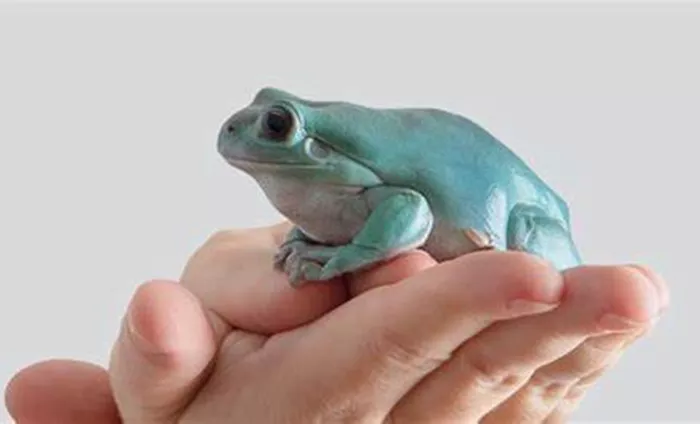
White tree frogs, also known as Litoria caerulea or dumpy tree frogs, are one of the most adaptable amphibians in the world. They are often praised for their calm nature, charming appearance, and suitability as pets. However, to understand them fully, we must first explore their natural habitat and the conditions they need to thrive. Where they live in the wild is directly connected to their physical features, their behavior, and their survival as a species.
This article will explore the full range of environments where white tree frogs live, how these habitats support their life cycle, and what makes their native homes ideal for their needs. We will also touch on how their habitat differs in captivity and how environmental changes affect their populations.
Understanding the Origins of the White Tree Frog
A Species Native to the Southern Hemisphere
The white tree frog is native to two primary regions: Australia and New Guinea. These regions offer the perfect mix of warmth, moisture, and vegetation that white tree frogs need to live and reproduce. In Australia, they are widespread in the northern and eastern parts of the country. In New Guinea, they can be found in various forested and tropical zones.
This species has also been introduced to nearby regions such as Indonesia and New Zealand, although it is not native to these areas. In these new locations, the frog either adapts or struggles depending on how closely the habitat mimics its original environment.
Natural Habitat: A Tropical and Subtropical Preference
White tree frogs are highly dependent on warm and humid environments. Their skin requires moisture to stay healthy, and they depend on both air and water to regulate their internal temperature and hydration levels. Therefore, they are mostly found in:
Tropical rainforests
Subtropical forests
Woodlands with high humidity
Unlike some amphibians that prefer cold or dry habitats, the white tree frog needs consistent warmth. However, it also avoids extremely hot and dry conditions. These frogs cannot survive long in areas without access to water or shelter from the sun.
Typical Forest Homes and Vegetation
The Importance of Trees and Canopy Cover
As their name suggests, white tree frogs spend most of their time in trees. They are arboreal, meaning they live off the ground. In the wild, they are often seen resting on large leaves, tree trunks, and in the crevices of bark or branches. They prefer tall trees with broad leaves that collect dew or rainwater.
Dense canopies are essential. The leafy coverage helps retain moisture in the air and protects them from harsh sunlight and predators. Trees like eucalyptus and fig trees are especially important in parts of Australia where these frogs are common.
Hiding Spots: Shelters Within Nature
White tree frogs are also known for using natural shelters. During the day, they avoid exposure by hiding in:
Tree hollows
Under loose bark
Within rock crevices
Inside rotting logs
These places are not just hiding spots. They also help maintain the frog’s skin moisture and body temperature. Some frogs are even found in abandoned bird nests, termite mounds, and caves near the forest edge.
In urban or semi-urban areas, these frogs can be surprisingly adaptive. They may hide in:
Garden pots
Roof gutters
Water tanks
Sheds and garages
This ability to use human-made structures gives the white tree frog an advantage in surviving in changing landscapes.
Climate Zones: Where They Thrive
Temperature Needs
White tree frogs are ectothermic, which means they rely on the environment to regulate their body heat. They are usually found in regions where the daytime temperature ranges from 24°C to 30°C (75°F to 86°F). At night, they can tolerate slightly cooler temperatures but still prefer the air to be warm and moist.
They are not tolerant of frost or snow. That is why they are not found in southern Australia or cooler highland areas in New Guinea.
Humidity Requirements
Humidity is equally important. Ideal humidity levels for white tree frogs are around 50% to 80%. In dry conditions, they may enter a state of dormancy, sealing themselves in a cocoon of skin to prevent dehydration. This process is known as aestivation, and it allows them to survive long dry seasons by becoming inactive.
In wet conditions, they are more active, vocal, and visible. Rainfall triggers their breeding season, which is one reason they are often found near temporary water bodies like ponds and puddles during the rainy season.
Water Access and Reproduction
White tree frogs do not live in water like some other frogs. But they need water for laying eggs and for their tadpoles to develop. In the wild, they often live near:
Still or slow-moving water
Temporary rain pools
Swamps or marshy areas
Ditches or lowland flood zones
After heavy rain, the males begin calling to attract mates. Females lay their eggs in water, where tadpoles hatch and begin their aquatic stage. Once they develop into froglets, they climb out and begin life on land and in the trees.
Geographic Distribution
Australia
White tree frogs are especially common in the northern and eastern parts of Australia. Some key regions include:
Queensland
Northern Territory
New South Wales (north)
Western Australia (north coast)
In these areas, forests, wetlands, and woodlands provide suitable habitat. They are often seen in national parks, backyards, and even school campuses.
New Guinea
In New Guinea, they live in lowland rainforests and upland cloud forests. The island’s tropical climate supports them well, although dense human activity has begun to affect some of their native ranges.
Introduced Regions
They have been introduced to Indonesia and some parts of New Zealand. In New Zealand, however, the climate is often too cold for them to establish strong populations in the wild. In Indonesia, some populations are stable in tropical garden areas and urban zones.
Urban Environments and Human Proximity
Adapting to City Life
White tree frogs have shown remarkable ability to adapt to life near humans. They are often found:
In suburban gardens
Around homes with water features
Inside toilets, sinks, and pipes
Near outdoor lights where insects gather
This proximity to humans does not necessarily harm them unless there is pesticide use or a lack of clean water. In fact, some homeowners in Australia even encourage their presence to help control insect populations.
Threats in Urban Areas
Despite their adaptability, they face risks:
Car traffic
Chemical sprays
Domestic pets (cats and dogs)
Habitat destruction through construction
Even with their tolerance of urban life, white tree frogs need specific environmental cues—humidity, shelter, and seasonal rain—to breed successfully and maintain population stability.
The Role of Microhabitats
In the forest, microhabitats are small, specific zones with their own unique features. White tree frogs rely on these microhabitats for survival. Examples include:
Leaf litter with moisture
Water-filled tree hollows
Shaded bromeliads or ferns
Mossy patches on rocks
These small environments support insects and provide safety from predators like birds, snakes, and lizards. They also reduce competition with other frog species that might prefer different levels of moisture or light.
Seasonal Behavior and Movement
White tree frogs are mostly sedentary but do move in response to seasonal changes. During the wet season, they are more active and mobile. They seek out breeding sites and food. During the dry season, they remain hidden and conserve energy.
Some populations in drier regions of Australia undergo long periods of dormancy. Others living in coastal forests with year-round moisture may be active nearly every day.
Their ability to adjust to seasonal changes is key to their survival in the wild.
Conservation Status and Habitat Loss
Currently, white tree frogs are listed as a species of Least Concern by the IUCN. However, that does not mean they are free from threats. Their populations are affected by:
Deforestation
Climate change
Pollution
Chytrid fungus infection
Loss of native forests reduces breeding grounds and shelter. Climate change alters rainfall patterns, which can disrupt their breeding cycle. Chytrid fungus, a disease affecting amphibian skin, has been reported in some regions and can lead to mass die-offs.
While adaptable, white tree frogs depend on balanced ecosystems. Conservation efforts aim to preserve wetlands and forests and to monitor disease outbreaks.
Captive Environments vs. Natural Habitat
Many people keep white tree frogs as pets. In captivity, they live in terrariums that attempt to recreate their natural environment. A proper enclosure should include:
Vertical climbing space
Branches and plants
Moist substrate
Clean, shallow water dish
Temperature and humidity control
Pet frogs rely on their owners to maintain proper conditions. Captive frogs do not experience the range of weather, plant life, or breeding cycles that wild frogs do. However, with good care, they can live long and healthy lives—sometimes over 15 years.
Conclusion:
White tree frogs live in a variety of environments, from dense rainforests to suburban gardens. Their home is not just a place—they rely on their habitat for food, reproduction, safety, and hydration. Understanding where they live in the wild helps us protect their populations and offer better care in captivity.
Their natural homes are warm, wet, and full of life. As forests shrink and climates shift, preserving these frogs’ native habitats becomes more important. Whether found in a tree hollow in New Guinea or tucked behind a garden pipe in Australia, white tree frogs are a unique symbol of nature’s adaptability and beauty.
Related topics: