
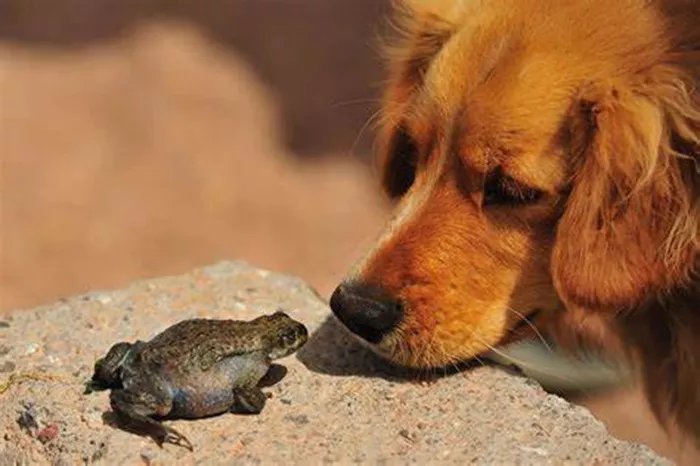
The American toad (Anaxyrus americanus) is a common amphibian found throughout North America. This species of toad is often encountered in suburban and rural areas, particularly during the warmer months when they emerge from hibernation. As with many wildlife species, there are concerns about their potential effects on pets, especially dogs. One of the most pressing questions pet owners may ask is: Are American toads poisonous to dogs?
This article aims to provide a thorough understanding of American toads, their toxicity, how they affect dogs, and the steps to take if a dog comes into contact with one. By the end of this article, you will have a complete overview of the risks associated with American toads and how to keep your dog safe.
What Are American Toads?
American toads are medium-sized amphibians that can be easily identified by their rough, warty skin and brownish or grayish coloration. They typically grow between 2 to 4 inches in length, though some can reach up to 6 inches. These toads are primarily nocturnal and are commonly found near water sources like ponds, lakes, and streams. They are most active during the spring and summer months when temperatures are warm.
While they spend a considerable amount of time on land, American toads depend on water for breeding. Their tadpoles hatch from eggs laid in water and undergo metamorphosis to become juvenile toads. They are insectivorous, feeding on a wide range of invertebrates such as beetles, ants, and earthworms.
Are American Toads Poisonous?
Yes, American toads are toxic. They secrete a substance from specialized glands located behind their eyes, known as parotoid glands. This secretion is a defense mechanism that protects them from predators. The fluid produced is not dangerous to humans in small amounts, but it can be highly toxic to some animals, including dogs.
The toxin, known as bufotoxin, contains a variety of chemicals, including bufogenins and bufotalins, which have strong effects on the heart and nervous system. When ingested, these toxins can lead to a range of symptoms, from mild to severe, and in some cases, they can be fatal. Dogs that come into contact with the secretion—either by licking or biting the toad—are at risk of poisoning.
How Do Dogs Come into Contact with American Toads?
Dogs are naturally curious animals and often explore their surroundings by sniffing and licking objects, including wildlife. The most common way that dogs encounter American toads is through direct contact. This usually occurs during evening walks when the toads are more active, as they venture out of their hiding spots to forage for food. Dogs might also find toads around their homes if they live near areas with water or gardens where toads are likely to inhabit.
Toads may also be found near ponds or shallow streams, which can attract both wild animals and domestic pets. Dogs may accidentally stumble upon a toad during their explorations, leading to potential exposure to the harmful toxins secreted by the toad.
Signs and Symptoms of Toad Poisoning in Dogs
When a dog is exposed to the toxin of an American toad, symptoms can appear rapidly. The severity of the symptoms depends on the amount of toxin ingested or absorbed, as well as the size and health of the dog. Common signs of toad poisoning include:
Excessive drooling or foaming at the mouth: One of the most immediate symptoms, as the dog’s body reacts to the toxins.
Pawing at the mouth or face: This is the dog’s attempt to remove the irritating substance or wash it away.
Vomiting: Dogs may vomit shortly after exposure as a way to expel the toxins from their system.
Disorientation or lack of coordination: Toxins can affect the dog’s nervous system, leading to symptoms like unsteady walking, difficulty standing, or confusion.
Increased heart rate or irregular heartbeat: Bufotoxin can have severe effects on the cardiovascular system, leading to tachycardia (rapid heartbeat) or arrhythmia (irregular heartbeat).
Seizures: In severe cases, the toxins can cause seizures, which can be life-threatening if left untreated.
Respiratory distress: Some dogs may experience difficulty breathing or shortness of breath.
Muscle tremors: In severe cases, muscle twitching or trembling can occur.
What Should You Do if Your Dog Comes Into Contact with an American Toad?
If you suspect that your dog has been exposed to an American toad, it is essential to act quickly. The following steps can help minimize the effects of poisoning and increase the chances of recovery:
Rinse the Dog’s Mouth: If the dog has been licking or biting the toad, immediately rinse its mouth with water. Use a hose or pour water gently into the mouth, being careful not to cause the dog to inhale water. Do not use any chemicals or substances like mouthwash, as these can cause additional harm.
Observe for Symptoms: Keep a close watch on the dog for any signs of distress, such as drooling, vomiting, or lack of coordination. If symptoms appear, it is crucial to seek veterinary assistance immediately.
Get Veterinary Help: Contact your veterinarian as soon as possible, even if the symptoms seem mild. Time is of the essence, and only a professional can properly assess the severity of the poisoning and provide appropriate treatment. In some cases, hospitalization may be required for intravenous fluids, medication, or supportive care.
Do Not Try Home Remedies: Avoid attempting to treat the poisoning yourself with home remedies. Some common treatments, such as inducing vomiting, may not be effective or could worsen the situation.
How Do Veterinarians Treat Toad Poisoning in Dogs?
Once your dog has been assessed by a veterinarian, the treatment will depend on the severity of the poisoning. In mild cases, the vet may administer activated charcoal to absorb the remaining toxins and flush them out of the system. For more severe cases, the dog may need intravenous fluids to prevent dehydration and maintain proper blood pressure.
In cases where the dog’s heart or nervous system is affected, additional medications may be administered to stabilize these functions. If the dog is having seizures, anticonvulsants may be used to control the symptoms. The vet will also monitor the dog’s vital signs, such as heart rate and respiratory function, to ensure that they return to normal.
Can Toad Poisoning Be Fatal to Dogs?
While most dogs will recover from toad poisoning with prompt medical treatment, there is a risk of fatality if the poisoning is severe and left untreated. The toxins in American toads can have a profound effect on a dog’s cardiovascular system, and in some cases, they can lead to heart failure, seizures, or respiratory collapse.
However, fatal outcomes are rare when dogs receive proper veterinary care within a few hours of exposure. The key to preventing fatalities is recognizing the symptoms early and getting medical help right away.
Preventing Toad Poisoning in Dogs
To reduce the risk of toad poisoning, there are several preventative measures that dog owners can take:
Avoid walking dogs in areas where toads are likely to be: If you live near a water source or in an area with a high population of American toads, consider avoiding walks during the evening and night when toads are most active.
Supervise outdoor play: Keep a close watch on your dog when it is outside, especially in areas with tall grass, ponds, or marshy land where toads may live.
Train your dog to avoid wildlife: Training your dog to avoid toads and other potentially dangerous wildlife can help minimize the risk of exposure. While it may take some time, this can be an effective long-term solution.
Keep the environment toad-free: If you have a garden or outdoor space, take steps to reduce the likelihood of toads taking up residence in your yard. This may involve removing standing water or using natural repellents.
Conclusion
American toads are fascinating creatures, but their toxins pose a significant risk to dogs. While not every dog that comes into contact with a toad will experience severe poisoning, the symptoms can be alarming and, in some cases, life-threatening. Prompt action and veterinary care are essential for ensuring a positive outcome.
By understanding the risks, recognizing the signs of toad poisoning, and taking preventive measures, dog owners can significantly reduce the chances of their pets being harmed by these amphibians. Always keep in mind that the best way to protect your dog is to stay vigilant and seek immediate veterinary attention if you suspect that your dog has been poisoned by a toad.
Related topics: