
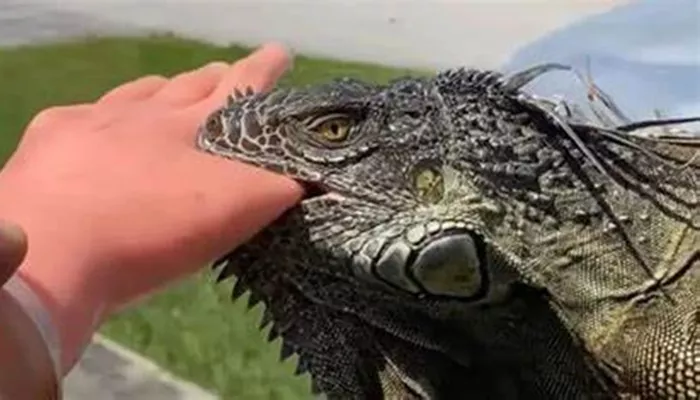
Iguanas are fascinating reptiles that have become popular pets, especially for reptile enthusiasts. These creatures are known for their impressive size, distinctive appearance, and often docile nature. However, like any wild animal, iguanas have their defense mechanisms, and they may occasionally exhibit aggressive behavior under certain circumstances. While iguanas are not typically dangerous to humans, it’s essential to understand their behavior, body language, and the potential risks involved in handling them. In this article, we will explore whether iguanas can hurt humans, the factors that contribute to their aggression, and how you can avoid injury when caring for an iguana.
Understanding Iguanas: The Basics
Before diving into the specifics of potential harm, it’s crucial to have a basic understanding of iguanas as animals. Iguanas belong to the Iguanidae family, which includes several species, with the Green Iguana being the most commonly kept as a pet. These reptiles are native to Central and South America and are known for their herbivorous diet and arboreal nature. While they are generally peaceful, they can display aggressive behaviors when they feel threatened.
Iguanas and Aggressive Behavior
Like all animals, iguanas have their unique ways of signaling distress or territorial aggression. Although they may seem calm and friendly in their enclosure, iguanas can become aggressive when they are frightened, stressed, or feel threatened. Understanding what triggers an iguana’s aggression is crucial in preventing harm.
1. Body Language and Warning Signs
Iguanas communicate their feelings and intentions through their body language. Here are some key signs to look for that may indicate an iguana is about to become aggressive:
Tail Lashing: One of the most common defensive behaviors is tail lashing. An iguana may start rapidly flicking or swinging its tail when it feels threatened. This can be painful if it strikes the skin.
Head Bobbing: Male iguanas, in particular, may bob their heads up and down as a sign of dominance or aggression. While this is often seen during mating rituals, it can also indicate that the iguana is feeling threatened.
Hissing: A hissing sound, often accompanied by an open mouth, is a common warning sign. The iguana is telling you to back off.
Defensive Posture: An iguana may stand up on its hind legs or puff out its chest to appear larger. This is a clear sign that it feels threatened and is trying to intimidate you.
2. Territorial Behavior
Iguanas are territorial creatures. In the wild, they mark their territories and protect their space from other iguanas. When kept as pets, they may view their enclosure or certain areas as their territory. If they perceive you as an intruder, they may become aggressive to defend their space.
3. Handling Stress and Fear
Iguanas, especially those not accustomed to regular handling, can become stressed by human interaction. Sudden movements, loud noises, or unfamiliar situations can all cause anxiety for an iguana. Stress is a significant factor that can lead to aggressive behavior, as the iguana may feel it has no choice but to defend itself.
Can Iguanas Physically Harm You?
While iguanas are not venomous or capable of inflicting severe harm like some other animals, they do have physical features that can cause injury under certain circumstances. Here’s a closer look at the potential dangers:
1. Bites
Iguanas are equipped with sharp teeth designed to tear through tough vegetation. If an iguana feels threatened or is handled improperly, it may bite as a defense mechanism. An iguana bite can be quite painful, especially if it catches the skin. Though not usually life-threatening, an iguana bite can lead to bleeding, swelling, and infection if not treated properly.
How to Avoid an Iguana Bite:
−Approach your iguana slowly and calmly to avoid startling it.
−Allow your iguana to adjust to your presence before attempting to handle it.
−Always handle your iguana gently and avoid sudden movements.
2. Tail Whips
Iguanas have powerful tails that they use for defense. A tail whip from an iguana can cause serious bruising or even break the skin. These tails are muscular and can swing with surprising speed and force. In the wild, iguanas use their tails to defend against predators, but they may also use this tactic if they feel cornered or threatened.
How to Avoid Tail Whips:
−Stay at a safe distance from an iguana when it displays warning signs like head bobbing or tail lashing.
−Avoid cornering an iguana or making it feel trapped, as this can trigger a defensive tail whip.
3. Scratches
Iguanas have sharp claws that they use to climb trees and catch prey in the wild. While they are not typically aggressive with their claws, they can scratch you if they feel threatened. A scratch from an iguana can lead to minor cuts and scratches, though it is unlikely to cause significant injury.
How to Avoid Scratches:
−Keep your hands and arms away from the iguana’s claws unless you are confident in your ability to handle the reptile properly.
−Make sure the iguana’s nails are trimmed to reduce the risk of scratching.
4. Disease Transmission
While not a direct physical threat, iguanas can carry diseases that may pose a risk to humans. One of the most significant concerns is the transmission of Salmonella bacteria, which is common in reptiles. Handling an iguana without proper hygiene can lead to the transfer of bacteria, especially if you touch your face or mouth after handling the animal.
How to Prevent Disease Transmission:
−Always wash your hands thoroughly after handling your iguana.
−Clean your iguana’s enclosure regularly to prevent the buildup of harmful bacteria.
−Use gloves when handling your iguana if you are concerned about bacteria transmission.
How to Safely Handle an Iguana
Iguanas can make excellent pets if handled correctly. By understanding their behavior and needs, you can significantly reduce the risk of injury. Here are some tips for safely handling an iguana:
1. Be Calm and Gentle
Iguanas are sensitive to sudden movements and loud noises. Approach them calmly and speak in a soft, soothing voice. Sudden movements may cause the iguana to feel threatened, which could lead to aggression.
2. Support Their Body Properly
When picking up an iguana, make sure to support its body properly. Place one hand under the chest and the other under the hind legs. This will make the iguana feel secure and reduce the chance of it struggling or becoming frightened.
3. Avoid Handling During Mating Season or Molt
During mating season or when the iguana is shedding, it may be more temperamental and prone to aggressive behavior. Try to avoid handling your iguana during these periods.
Conclusion
In conclusion, while iguanas are generally not dangerous creatures, they can hurt you if they feel threatened or scared. Bites, tail whips, and scratches are the most common types of injuries that can occur when handling an iguana. However, with proper care, understanding of their behavior, and cautious handling, the risk of injury can be minimized. Iguanas make wonderful pets for those who are prepared to meet their needs and respect their boundaries. Always remember to approach them gently and safely to build a trusting relationship with your reptilian companion.
Related topics: