
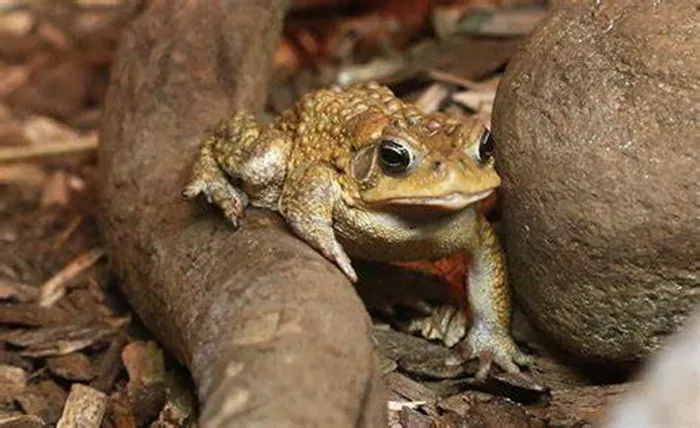
The American toad, scientifically known as Anaxyrus americanus, is a common amphibian found across North America. Known for their distinctive warty skin and characteristic call, these toads are often seen in gardens, forests, and wetlands, especially during the warmer months. While many people enjoy observing these fascinating creatures, a common concern arises regarding their safety, especially when it comes to potential toxicity. This article seeks to answer the question: Are American toads poisonous to humans?
Though toads are generally not aggressive, there have been some misconceptions about their toxicity. Understanding the biological makeup of American toads and their defense mechanisms is key to determining their potential danger to humans. In this article, we will explore how these toads defend themselves, whether their toxins pose a real threat to humans, and what precautions should be taken when handling them.
Understanding the Toxicity of American Toads
Like many amphibians, American toads produce chemicals as a means of defense. These chemicals are secreted from specialized glands on their back, particularly the parotoid glands, which are located behind the eyes. The substances released are a form of toxin, but the strength and impact of the toxin can vary depending on the species of toad and the environmental factors surrounding them.
The toxins secreted by American toads are not fatal to humans, but they can cause mild to moderate irritation. The two primary compounds found in the secretions are bufotoxin and bufotenine. These substances can cause discomfort to humans, but they are generally not life-threatening.
The Role of Bufotoxins in American Toads’ Defense
Bufotoxins are potent chemicals produced by American toads and other toad species. These toxins serve as a defense mechanism to deter predators, as they can cause nausea, dizziness, and other harmful effects in potential threats. When a toad is threatened, it secretes bufotoxins through its parotoid glands, which can then be absorbed through the skin or mouth of the predator.
For humans, bufotoxins are not typically dangerous unless large quantities are ingested or the toxin enters the bloodstream through an open wound. While the toxins may cause skin irritation or allergic reactions, most healthy humans will recover quickly without serious medical intervention.
Bufotoxins work by disrupting cellular functions, which is why they can cause irritation or discomfort in both animals and humans. In the wild, predators such as snakes, birds, and larger mammals may avoid toads after experiencing these harmful effects. This strategy helps the toad survive and avoid becoming prey.
What Happens When Humans Come Into Contact with American Toads?
While American toads are not poisonous in the sense that they will actively seek to harm humans, it is important to understand the effects that contact with them can have. When humans handle toads, especially without washing their hands afterward, the bufotoxins present on the toad’s skin may lead to mild symptoms.
These symptoms may include:
Skin irritation: Some people may experience a rash, redness, or itching after touching a toad.
Nausea: Ingesting the toxin, either by mouth or accidentally licking the skin of the toad, can lead to mild nausea or gastrointestinal discomfort.
Eye irritation: If the toxin comes into contact with the eyes, it can cause burning, redness, or watering. In some cases, this can be more severe if the toxin is absorbed into the bloodstream.
The severity of these symptoms typically depends on the individual’s sensitivity to the toxin, the amount of toxin transferred, and how the toxin is introduced into the body. While the symptoms are generally not life-threatening, they can cause discomfort and warrant medical attention if they persist.
Are American Toads Dangerous to Pets?
In addition to humans, pet owners may be concerned about the safety of their animals around American toads. Many pets, especially dogs, have a tendency to lick or chew on animals they find, including toads. Unfortunately, this behavior can be harmful. When a dog or other pet comes into contact with a toad and ingests its toxins, it can suffer from symptoms such as drooling, vomiting, diarrhea, or in more extreme cases, seizures.
If you suspect that a pet has come into contact with a toad, it is important to seek veterinary help immediately. The veterinarian may administer activated charcoal to absorb the toxin, or in some cases, induce vomiting to clear the toxins from the animal’s system.
Toxicity in Different Species of Toads
Not all toads are created equal when it comes to toxicity. While the American toad produces bufotoxins, these toxins are far less potent compared to those found in other species, such as the Colorado River toad or the cane toad. The toxins of these species can be much more dangerous to both humans and animals.
The Colorado River toad, for example, produces a toxin known as 5-MeO-DMT, which is a powerful psychoactive compound. This substance can cause intense hallucinations, changes in perception, and other severe effects if ingested or absorbed through mucous membranes. Similarly, the cane toad’s secretions can cause convulsions and even death in certain animals if consumed.
Therefore, while the American toad’s toxins are relatively mild, it is important to be cautious when interacting with any toad species. Understanding the different types of toxins and their effects can help in managing risks associated with handling these amphibians.
How to Handle American Toads Safely
If you want to handle an American toad, it is important to take a few simple precautions to minimize exposure to their toxins. Here are some tips:
Wash Your Hands Thoroughly: After touching a toad, always wash your hands with soap and water. This will help remove any residual toxins that might be on your skin.
Avoid Touching Your Face: Refrain from touching your face, particularly your eyes, mouth, or nose, after handling a toad. If toxins come into contact with mucous membranes, they can cause irritation or discomfort.
Use Gloves: If you are handling toads regularly, it might be helpful to wear gloves to avoid direct skin contact with the toad’s secretions.
Supervise Pets: If you have pets, especially dogs, supervise them when they are outside. This will help prevent them from coming into contact with toads and accidentally ingesting their toxins.
Don’t Allow Children to Handle Toads: While American toads are not deadly, young children are more susceptible to irritation and allergic reactions. Educating them about the potential risks can help avoid unnecessary exposure.
Conclusion
In conclusion, American toads are not dangerous to humans in the way that venomous snakes or other toxic creatures are. While their secretions can cause mild irritation and discomfort, the toxins produced by these toads are not usually life-threatening to humans. However, precautions should still be taken when handling them to avoid unnecessary exposure, especially for those with sensitive skin or allergies.
By understanding the role of bufotoxins and the natural defense mechanisms of these amphibians, we can safely interact with them while minimizing any potential harm. American toads are fascinating creatures that play an important role in their ecosystems, and with proper care, humans and animals can coexist with them without issue.
Related topics: