
The European toad, scientifically known as Bufo bufo, is a fascinating amphibian that inhabits much of Europe and parts of Asia. Known for its distinctive appearance and behavioral traits, the European toad plays a significant role in ecosystems, cultural traditions, and scientific research. Despite its common presence, the European toad is often misunderstood and overlooked in comparison to other iconic animals. In this article, we will explore the European toad’s biology, habitat, behavior, cultural significance, and the scientific meaning it holds.
Unlike the sleek and brightly colored frogs, toads like the European toad often appear rough, covered in warty skin. They are nocturnal creatures, typically seen in the evenings or during damp conditions. However, their significance goes beyond just their appearance. The European toad is not just a simple animal but rather a complex part of our natural world, influencing everything from pest control to folklore. By understanding its biology, behavior, and symbolic meaning, we can appreciate the European toad’s role in both the environment and human culture.
The Biology of the European Toad
Physical Characteristics
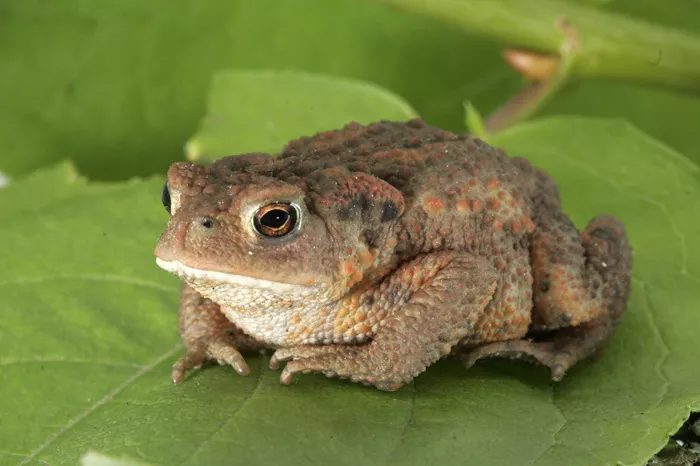
The European toad is easily recognizable due to its rough, dry, and bumpy skin. Typically, adult toads have a brown or olive coloration, which helps them blend in with the forest floor or grassy areas. They grow to be about 8 to 16 centimeters long, with females often being larger than males. Their skin is covered in glandular warts that produce toxins, acting as a defense mechanism against predators. The warts themselves contain secretions that can be harmful if ingested by potential threats, such as birds or mammals.
Their eyes are distinctive, with horizontal pupils and a golden iris, which adds to their unique appearance. Unlike frogs, European toads have shorter, stockier legs, making them less agile in jumping and more suited to walking. Their toes are not webbed like those of frogs, and they have dry, rough skin that helps to prevent water loss in their terrestrial environment.
Habitat and Distribution
The European toad has a vast distribution across Europe, from the United Kingdom to Russia, and even parts of North Africa. They are typically found in forests, grasslands, and gardens, favoring areas that offer ample moisture and shelter. During the warmer months, toads prefer moist, cool environments, which are necessary for their survival, particularly for breeding.
In addition to forests and gardens, the European toad is also found in areas near ponds, lakes, or streams, which are ideal places for breeding. These amphibians are known to migrate seasonally, moving from their winter shelters to breeding sites in the spring and returning to their shelters in the fall. They often live in areas where there is a combination of moist and dry conditions, providing the toad with the necessary moisture during breeding seasons and dry areas for resting and hibernation.
Diet and Feeding Behavior
European toads are carnivorous and primarily insectivores, feeding on a variety of invertebrates. Their diet consists mainly of small insects, earthworms, slugs, and other arthropods that they catch with their long, sticky tongues. They are opportunistic feeders, meaning they will eat any prey that is small enough to catch.
Toads are generally nocturnal hunters, feeding at night when many of their prey species are more active. Their method of capturing prey is often described as “sit-and-wait” hunting. The toad will sit still and wait for an insect or worm to come within striking distance before it quickly extends its tongue to capture the prey.
Behavioral Traits of the European Toad
Breeding and Reproduction
The breeding season for the European toad occurs in the spring, usually between March and May, when males call out to attract females. These calls are low-pitched croaks that can be heard from a distance, especially during the night. Male toads typically call from the water, where they gather in large groups to compete for the attention of females.
During mating, males latch onto the females in a behavior known as amplexus, where the male grasps the female’s back. The female then lays her eggs in the water, and the male fertilizes them externally. The eggs hatch into tadpoles, which eventually undergo metamorphosis into juvenile toads. This process of transformation takes several weeks, depending on environmental conditions.
Nocturnal and Solitary Behavior
European toads are primarily nocturnal, meaning they are most active during the night. This behavior helps them avoid predators and take advantage of cooler temperatures. During the day, they tend to hide in burrows, under logs, or in other sheltered areas to avoid the heat and predators. They are solitary animals, except during the breeding season when they gather in large groups near breeding sites.
Although they are solitary by nature, European toads are known to be territorial during the breeding season. Male toads will often compete for prime spots near breeding areas, and their calls serve as a way to establish dominance over other males. This territoriality ensures that the strongest males have access to the most fertile females.
Hibernation and Winter Behavior
European toads are ectothermic animals, meaning they rely on external temperatures to regulate their body heat. In the winter, they enter a state of hibernation to survive the cold months. Toads typically hibernate in burrows or under rocks where the temperature remains stable. During hibernation, their metabolic rate drops significantly, and they can survive without food or water for months.
Hibernation is a crucial survival strategy for the European toad, as it allows them to endure the freezing temperatures of winter. When spring arrives and temperatures warm, the toads emerge from their hibernation sites and resume their normal activities, including feeding and breeding.
The European Toad in Ecosystems
Role in Pest Control
One of the primary ecological roles of the European toad is its contribution to pest control. By consuming large quantities of insects and other invertebrates, toads help keep populations of pests in check. This is particularly important in agricultural areas where insect pests can damage crops. European toads consume a wide variety of insects, including beetles, moths, and flies, as well as other invertebrates like snails and slugs.
By controlling insect populations, the European toad indirectly benefits human activities. Farmers and gardeners may notice fewer pests, leading to healthier crops and plants. In this way, the European toad plays an essential role in maintaining the balance of local ecosystems.
Indicator Species for Environmental Health
The European toad is considered an indicator species, meaning its presence, absence, or health can give scientists valuable information about the condition of the environment. Amphibians like toads are particularly sensitive to changes in their habitat, such as pollution, climate change, and habitat destruction. As such, scientists often study the health of toad populations to assess the overall health of an ecosystem.
For example, a decline in European toad populations may signal an issue with water quality, such as contamination from agricultural runoff or pollution from urban development. By monitoring toad populations, conservationists can take early action to protect ecosystems and prevent further damage.
Cultural Significance of the European Toad
Toads in Mythology and Folklore
Throughout history, toads have held various symbolic meanings in different cultures. In European folklore, toads have often been associated with witchcraft and dark magic. They were believed to possess mystical powers, and witches were thought to use toads in their potions and spells. The warty appearance of the toad and its association with damp, dark environments likely contributed to these beliefs.
In other cultures, toads were seen as symbols of transformation and renewal. The European toad’s ability to undergo metamorphosis from tadpole to adult toad may have contributed to this symbolism. In many ancient cultures, toads represented the cycles of life, death, and rebirth.
The Toad in Literature and Art
The European toad has also made its mark in literature and art. In many classic stories, toads are portrayed as wise, albeit sometimes repellent, characters. One of the most famous examples is the story of The Frog Prince, in which a prince is transformed into a frog (or toad) and is eventually restored to his human form through a kiss. While the story revolves around a frog, the symbolism is closely related to the European toad due to the shared characteristics between the two amphibians.
In modern times, the European toad has appeared in various forms of art, including paintings, sculptures, and even animated films. Artists often use the toad as a symbol of resilience and transformation, highlighting its adaptability and ability to thrive in a variety of environments.
Conservation Status and Threats
The European toad is not currently considered endangered, but it faces several threats that could impact its populations in the future. Habitat loss due to urbanization, agriculture, and industrial development is one of the most significant threats to toad populations. Additionally, climate change is affecting the timing of breeding seasons, which could lead to mismatches between the availability of suitable breeding sites and the toads’ reproductive needs.
Pollution, particularly in the form of agricultural runoff containing pesticides and herbicides, also poses a significant threat to European toads. These chemicals can contaminate water sources and harm amphibians, which are highly sensitive to toxins. As a result, conservation efforts to protect European toads and their habitats are crucial for ensuring the continued survival of this important species.
Conclusion: The Multifaceted Meaning of the European Toad
The European toad is a species that holds great significance in the natural world, in human culture, and in scientific research. From its role in controlling insect populations to its status as an indicator of environmental health, the European toad serves as an important part of ecosystems. Culturally, the toad has been a symbol of transformation, magic, and resilience, influencing folklore, literature, and art for centuries.
Understanding the European toad’s biology, behavior, and cultural significance allows us to appreciate the complexities of this often-overlooked amphibian. By protecting the European toad and its habitat, we help ensure the health of ecosystems and preserve the rich cultural history associated with this remarkable species.
In conclusion, the European toad is more than just an amphibian; it is a living testament to the interconnectedness of life and the importance of biodiversity.
Related topics: