
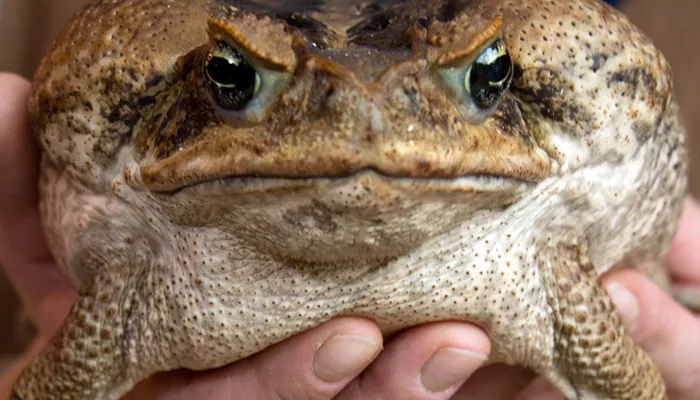
American toads are common amphibians found throughout much of North America. These toads are familiar sights in gardens, forests, and wetlands. Many people have seen American toads hopping around after rain or heard their distinctive calls during the spring and summer. However, despite their common presence, many people wonder about their lifespan. How long do American toads live? This article explores the lifespan of American toads in the wild and in captivity. It also looks at the factors that influence their longevity and what we can learn from studying their life cycles.
Introduction to American Toads
The American toad (Anaxyrus americanus) is a species of toad in the family Bufonidae. It is native to eastern North America, ranging from southern Canada to the southern United States. American toads are easily recognized by their rough, warty skin and varied coloration. Their colors range from brown to reddish or grayish, often with dark spots on their backs.
American toads are well adapted to a variety of habitats. They live in forests, grasslands, suburban areas, and near bodies of freshwater like ponds and streams. They are nocturnal creatures, meaning they are most active at night. During the day, they hide under leaves, logs, or in burrows to avoid predators and harsh weather.
Understanding the lifespan of American toads is important because it helps us understand their role in the ecosystem. Toads control insect populations, serve as food for other animals, and act as indicators of environmental health.
Life Cycle of the American Toad
Before discussing lifespan, it is helpful to understand the life cycle of the American toad. Their life cycle has several stages:
Eggs: In spring, female toads lay thousands of eggs in long strings in shallow water. These eggs hatch into tadpoles within days.
Tadpoles: Tadpoles live in water and breathe with gills. Over several weeks, they grow legs and lose their tails.
Metamorphosis: Tadpoles change into young toads called “toadlets.” These tiny toads leave the water to live on land.
Juvenile stage: Toadlets grow into juvenile toads. During this time, they continue to develop and prepare for adulthood.
Adult stage: Once fully grown, American toads are ready to breed and continue the cycle.
Each stage presents challenges and dangers. Many eggs and tadpoles fall prey to fish, insects, and other predators. Only a small percentage survive to become adults.
Average Lifespan of American Toads in the Wild
In the wild, the lifespan of an American toad varies based on many factors. On average, American toads live between 4 to 8 years in nature. However, some individuals may live longer under ideal conditions.
Several studies of American toads in the wild have shown that:
−Most toads live long enough to reproduce several times.
−Many toads face high mortality rates as eggs or juveniles.
−Adult toads can survive multiple seasons if they avoid predators and harsh weather.
Because American toads are preyed upon by snakes, birds, raccoons, and other animals, their survival can be uncertain. Environmental factors such as drought, pollution, and habitat loss also impact their lifespan.
Lifespan of American Toads in Captivity
American toads can live longer in captivity compared to the wild. When kept in controlled environments with protection from predators and a regular food supply, their lifespan often extends. In captivity, American toads have been recorded to live up to 10 to 12 years, and in rare cases, even longer. Some toads kept in zoos or research facilities have lived beyond 15 years. Captivity removes many risks found in nature but also requires proper care. Factors such as diet, humidity, temperature, and habitat size influence the health and longevity of captive toads.
Factors Affecting the Lifespan of American Toads
Several factors play a role in how long American toads live. Predation is one of the most significant factors that reduce their lifespan in the wild. Common predators include snakes, birds such as herons and hawks, mammals like raccoons and skunks, and even larger amphibians and fish. To protect themselves, toads have developed defense mechanisms such as poisonous skin secretions and camouflage, which help some individuals survive, but many still fall prey.
Habitat quality is also critical. Toads require clean water for breeding and moist environments for living on land. Pollution, habitat destruction, and changes in water quality harm toad populations. Poor habitats reduce survival rates and shorten lifespan. Additionally, disease and parasites affect American toads; they can be impacted by diseases such as chytridiomycosis—a fungal pathogen that has devastated many amphibian populations worldwide. Parasites may weaken toads, making them more vulnerable to predators.
Climate and weather also influence their longevity. Toads are sensitive to temperature and moisture. Harsh winters, droughts, or extreme heat can reduce survival, and climate change may impact their habitats and lifespan in the future. Furthermore, food availability plays a vital role. American toads feed mostly on insects, spiders, and other small invertebrates. A plentiful food supply supports growth, reproduction, and survival, while scarcity of food may weaken toads and shorten their lives.
How Do Scientists Study Toad Lifespan?
Researchers use several methods to estimate the lifespan of American toads. One common approach is mark and recapture, where scientists capture toads, mark them, and release them back into the wild. Recapturing marked individuals over time shows how long they live. Another technique is skeletochronology, which analyzes bone growth rings similar to tree rings to estimate age. Captive studies, which observe toads in controlled environments, help measure their maximum lifespan. Long-term population monitoring provides data on survival rates and lifespan averages. These methods together give a clearer picture of American toad longevity.
Why Lifespan Matters in Conservation
Understanding how long American toads live helps conservationists protect them effectively. Toads are important bioindicators because their health reflects the state of the environment. If American toads have shorter lifespans or declining populations, it signals environmental problems such as pollution or habitat loss, allowing conservation efforts to target these issues. Protecting toads also preserves the balance of ecosystems since toads control insect pests and serve as food sources for other wildlife. Their survival benefits many species in the ecosystem.
Tips for Helping American Toads Live Longer
Anyone can help improve the survival chances of American toads by creating toad-friendly habitats that keep gardens natural and moist, avoiding pesticides and chemicals that harm toads and their food, protecting breeding sites such as ponds and wetlands, and providing cover with logs, leaf litter, and rocks. Supporting conservation groups that work to protect amphibians is also valuable. By making small changes, people can help American toads thrive and live longer.
Conclusion
American toads live an average of 4 to 8 years in the wild. In captivity, they may live 10 to 12 years or more. Their lifespan depends on many factors, including predation, habitat quality, disease, climate, and food availability. Scientists study their lifespan using various methods to understand their biology and help protect them. American toads play important roles in ecosystems, making their conservation essential. By learning about their lifespan and challenges, we can appreciate these small but valuable amphibians more and take steps to ensure they continue to thrive in the wild.
Related topics